Wildlife

Wildlife of the North York Moors

Each species plays its part. Filter by type or search by name - open a species page for the full photo ID guide.

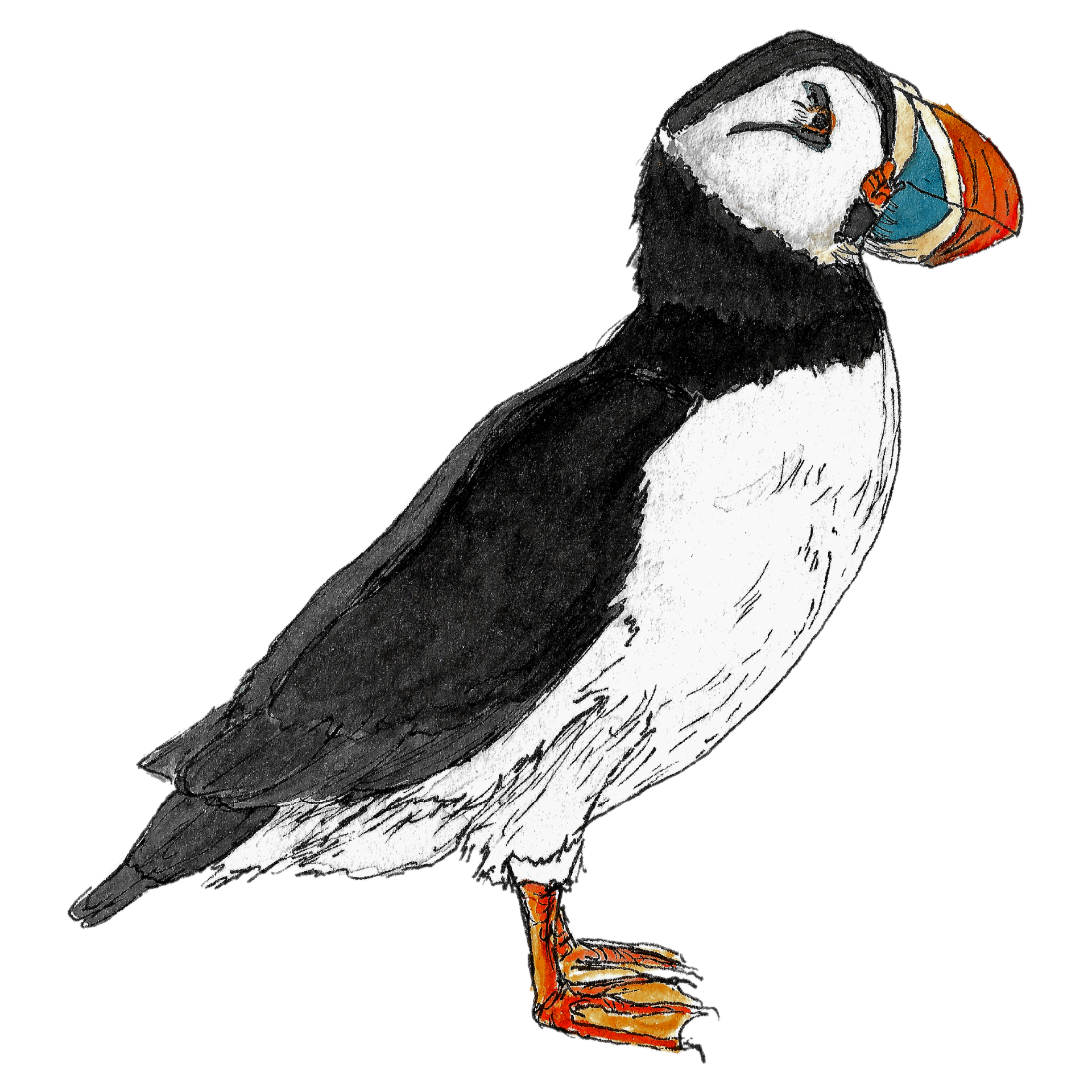
Watercolour illustration of an Atlantic puffin

Birds

Atlantic Puffin

A small black-and-white seabird with a bright, beak-like 'rainbow'.

Habitat:
Coastal cliffs in summer, open ocean in winter
Status:
Red listed (UK) - globally Vulnerable
Trend:
Critically declining
Why it matters:
Sand-eel specialist - an indicator of healthy fisheries.

Their colourful beaks are only bright during the breeding season - they shed the outer plates each autumn.

Species notes sourced from the RSPB, BTO and partner conservation organisations.

Open species page
Marine

Atlantic Salmon

A leaping silver fish that returns from the Atlantic to the river of its birth.

Habitat:
Clean, cold rivers and the North Atlantic
Status:
Endangered (IUCN, 2023)
Trend:
Critically declining
Why it matters:
Carries ocean nutrients deep inland when it returns to spawn.

A returning salmon can navigate back to the exact gravel bed where it hatched, thousands of miles away.

Species notes sourced from the RSPB, BTO and partner conservation organisations.

Open species page
Mammals

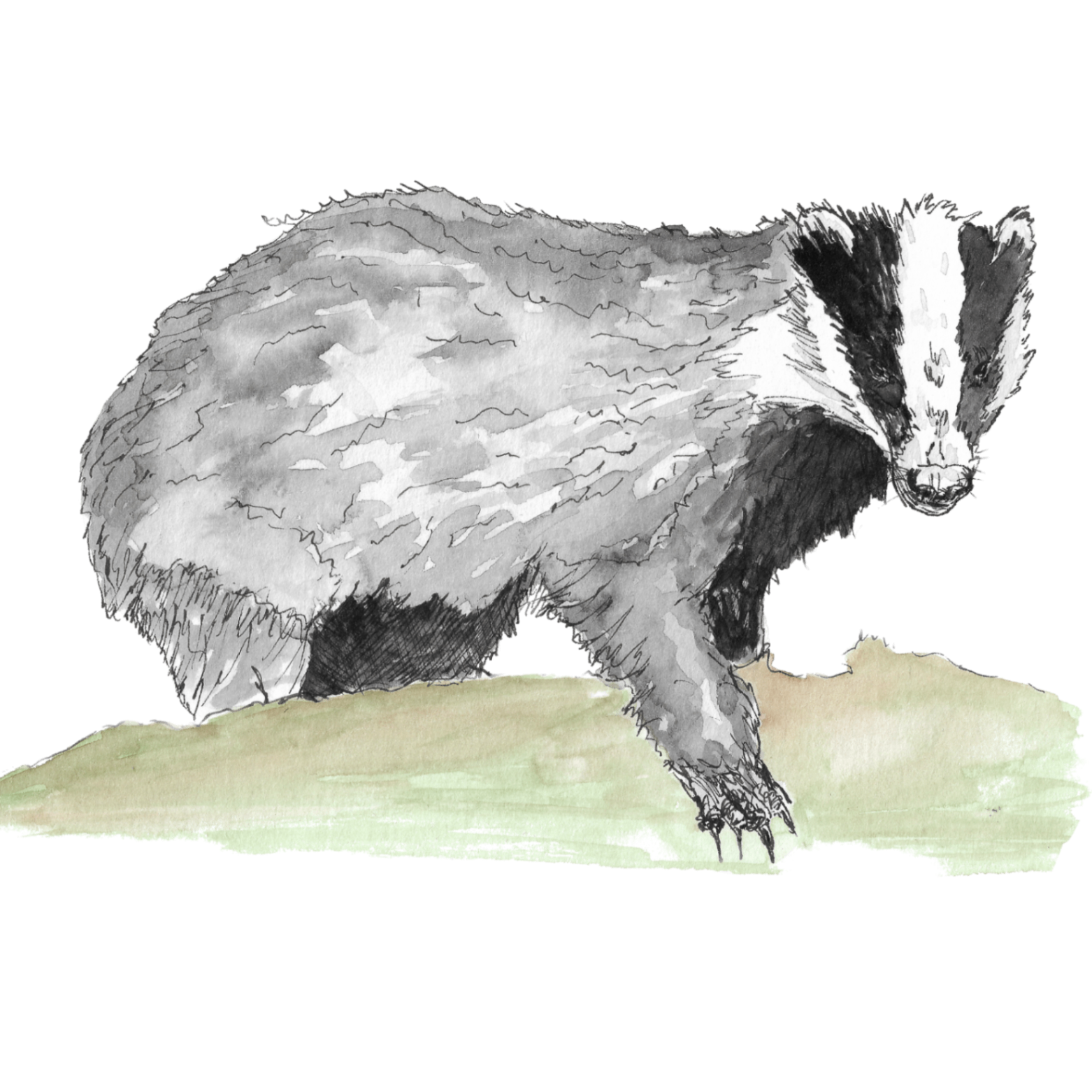
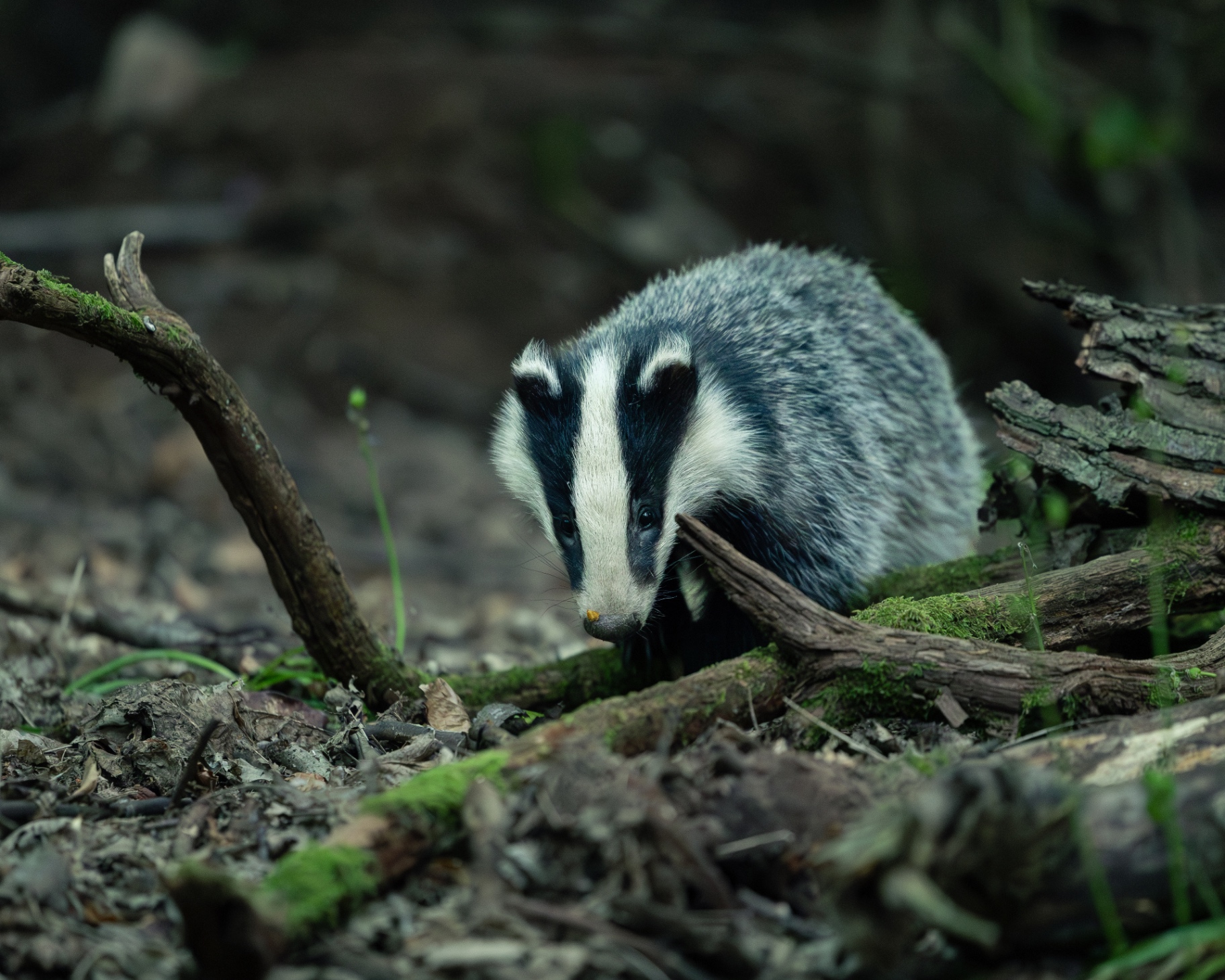
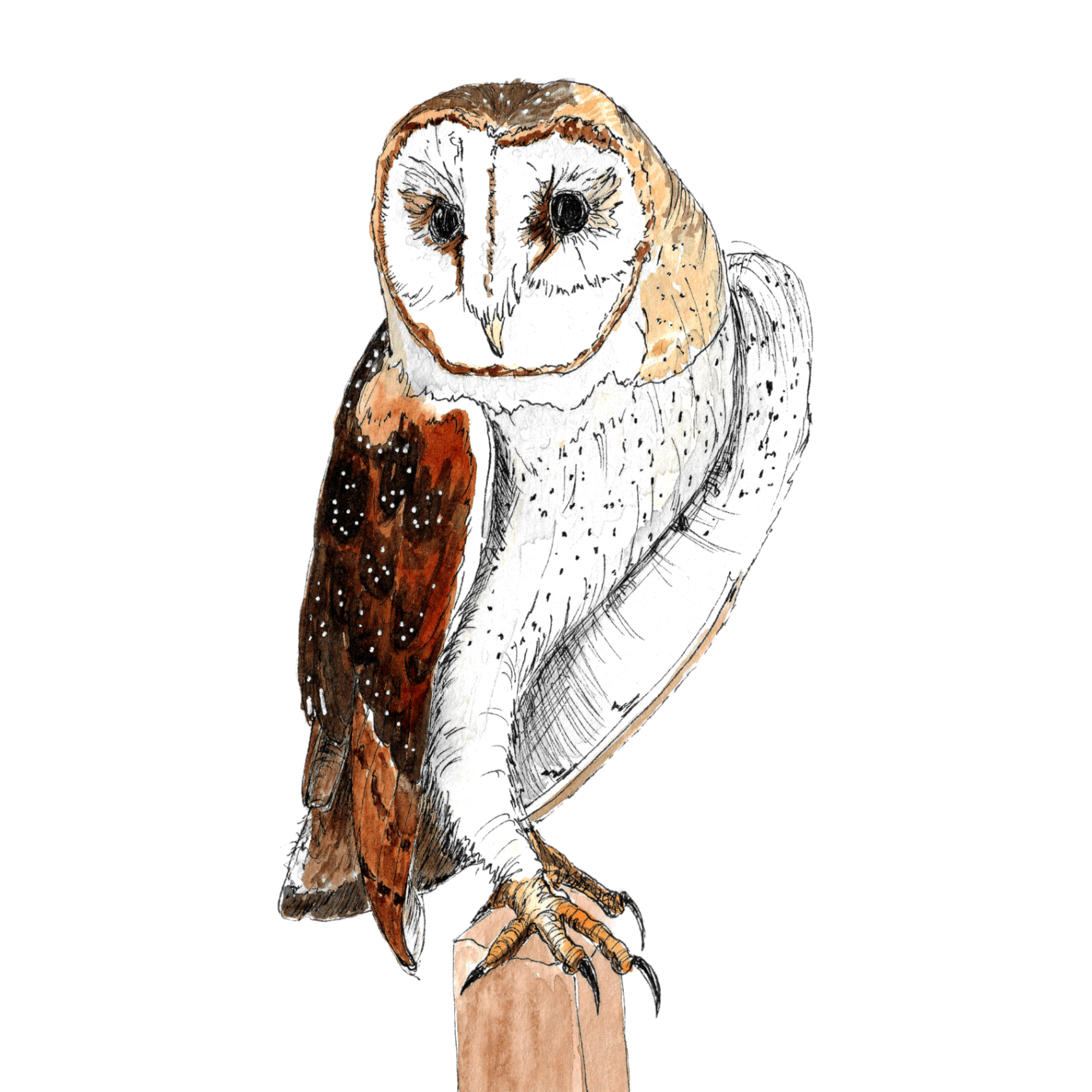
Badger

A nocturnal, sociable mammal with the iconic black-and-white striped face.

Habitat:
Woodland, hedgerows and farmland
Status:
Protected - Protection of Badgers Act 1992
Trend:
Stable
Why it matters:
Helps disperse seeds and controls populations of worms, insects and small mammals.

A badger sett can be over 100 years old and used by generations of the same family.

Species notes sourced from the RSPB, BTO and partner conservation organisations.

Open species page & photo ID
Birds

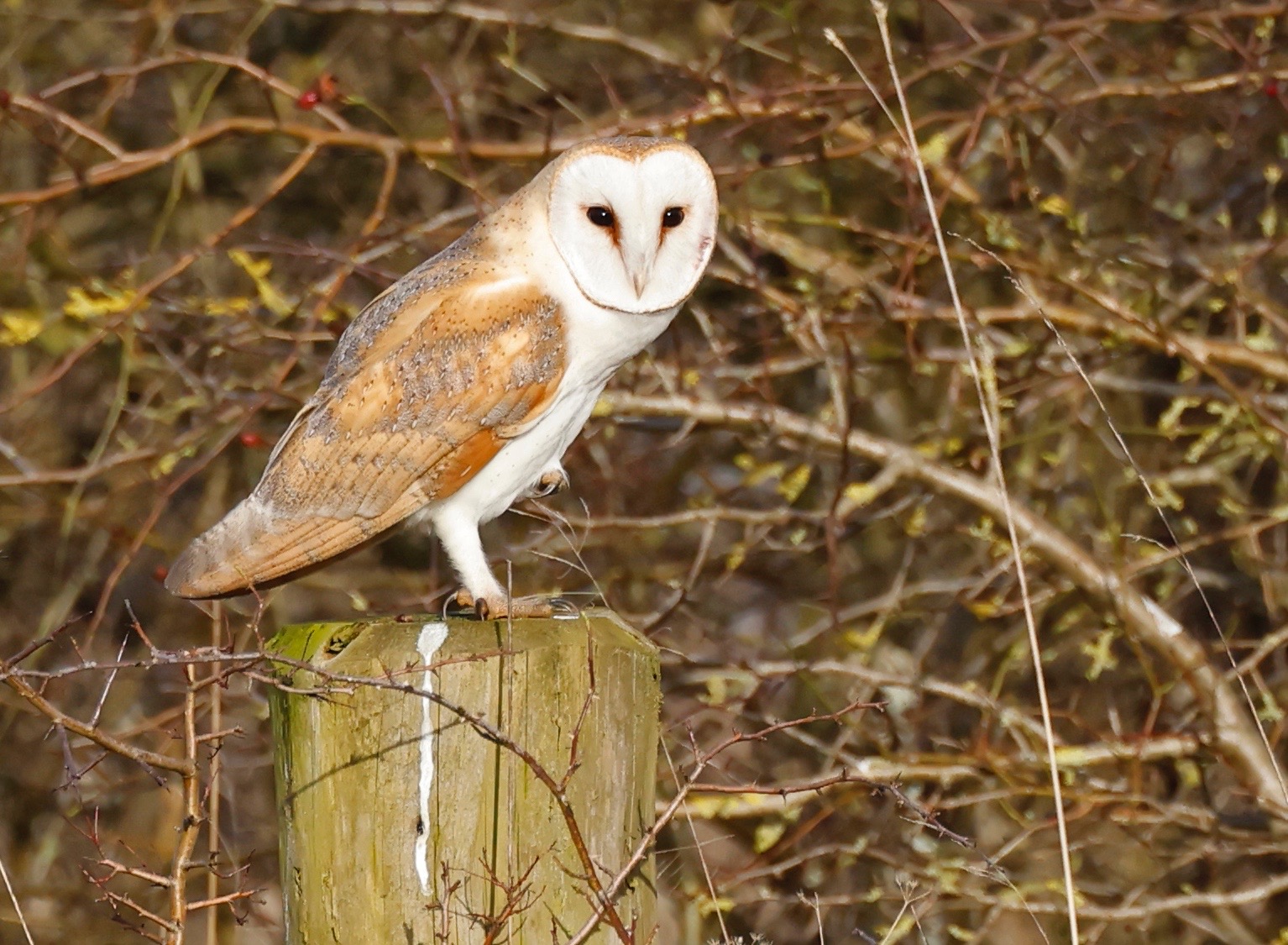
Barn Owl

A pale, ghostly owl with a heart-shaped face that hunts at dusk.

Habitat:
Farmland, rough grassland and barns
Status:
Green listed (UK)
Trend:
Stable
Why it matters:
Top predator of voles, mice and shrews on farmland.

Barn owls fly almost silently - special feathers muffle every wingbeat.

Species notes sourced from the RSPB, BTO and partner conservation organisations.

Open species page & photo ID
Birds

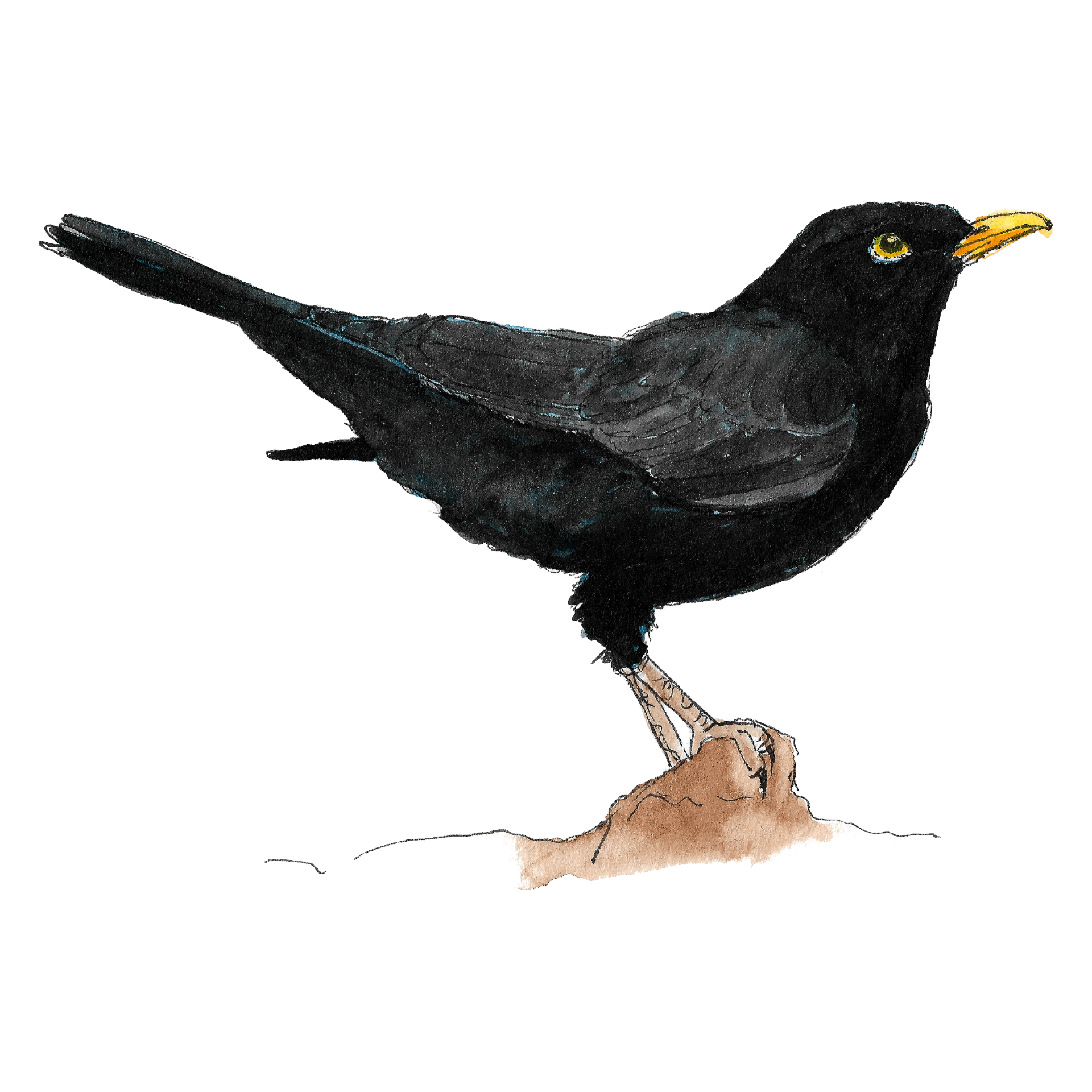
Blackbird

A familiar garden thrush with a glorious dawn and dusk song.

Habitat:
Gardens, hedgerows and woodland
Status:
Green listed (UK)
Trend:
Stable
Why it matters:
Eats worms, insects and fruit, dispersing seeds widely.

A male blackbird's song can include mimicked sounds from his neighbourhood.

Species notes sourced from the RSPB, BTO and partner conservation organisations.

Open species page & photo ID
Birds

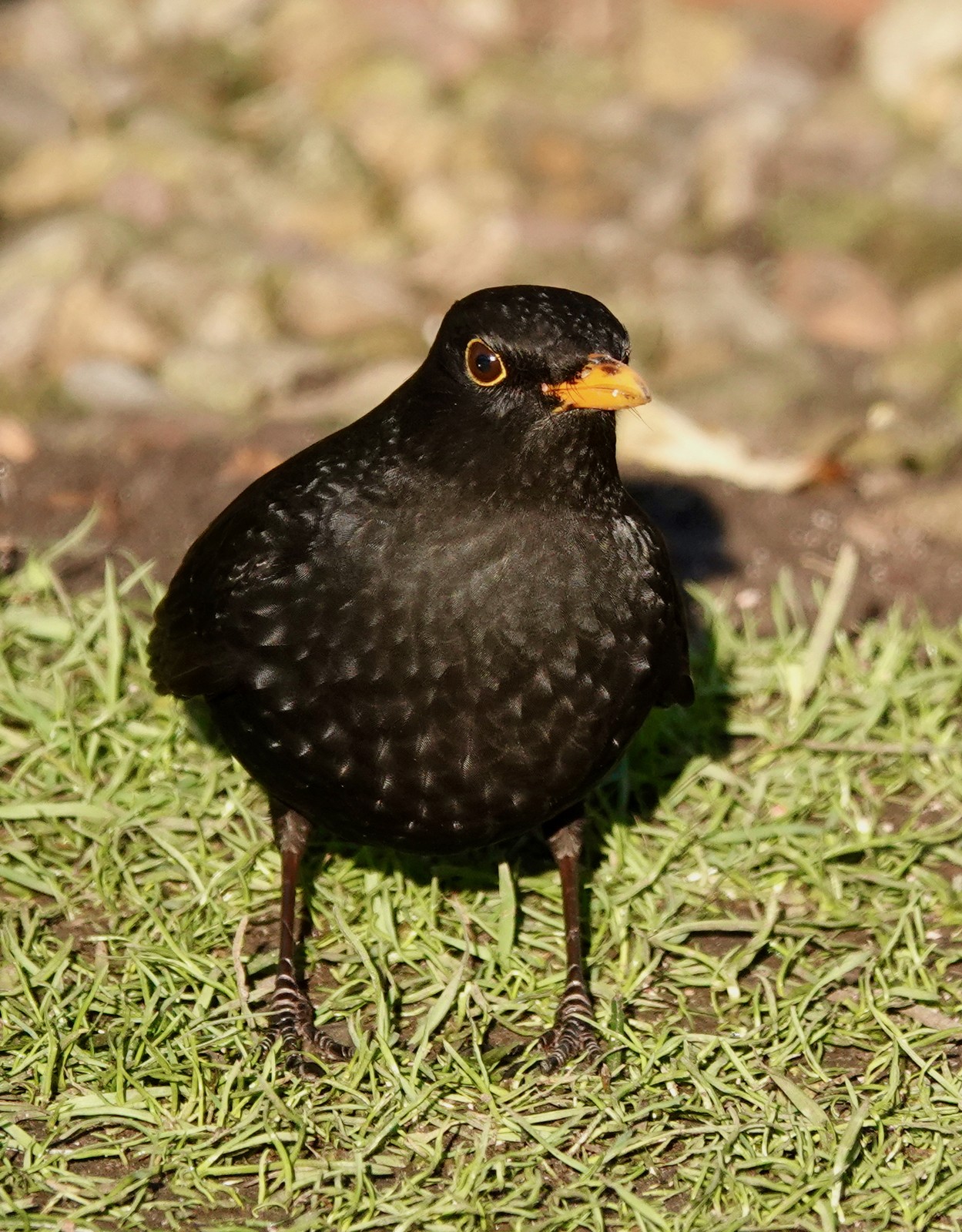
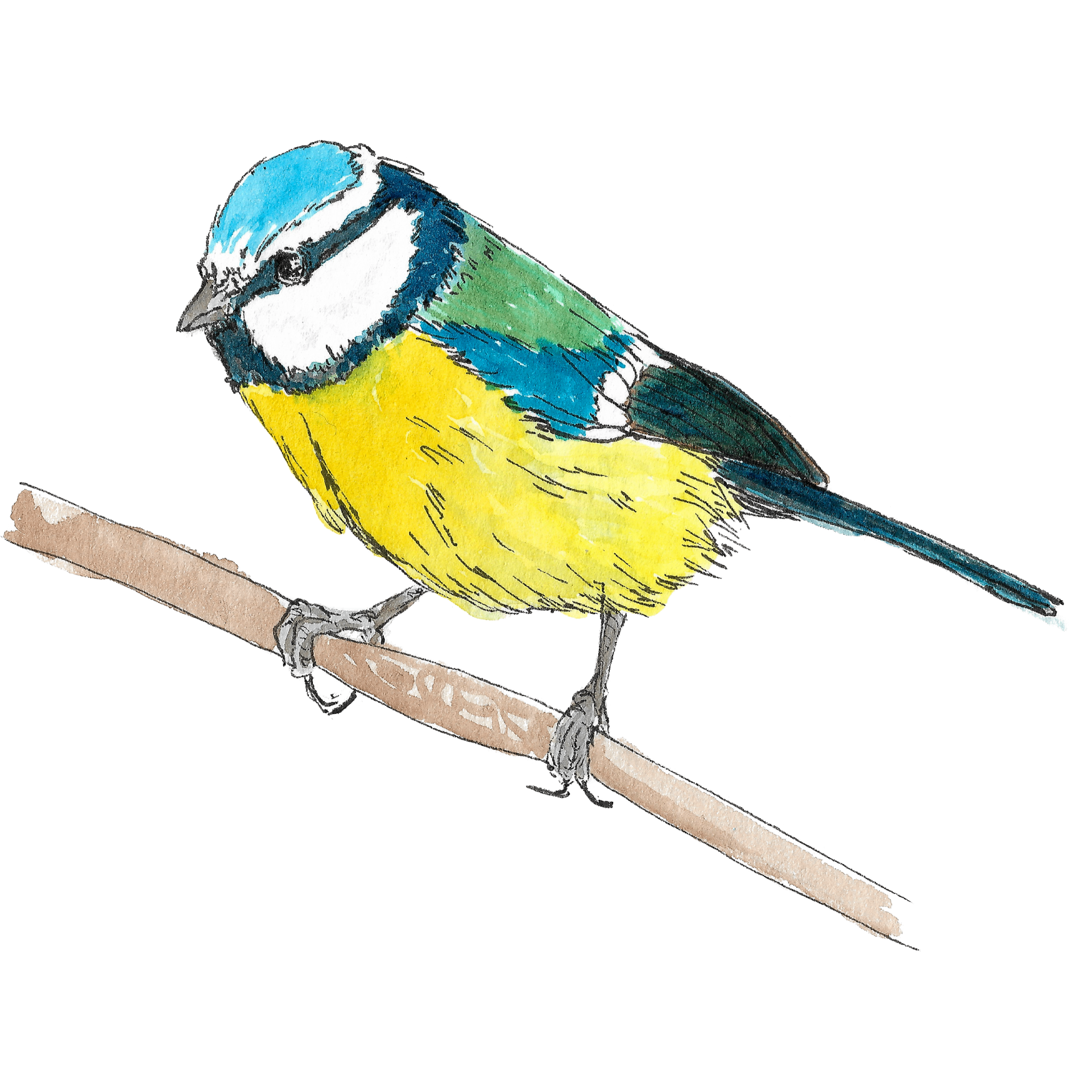
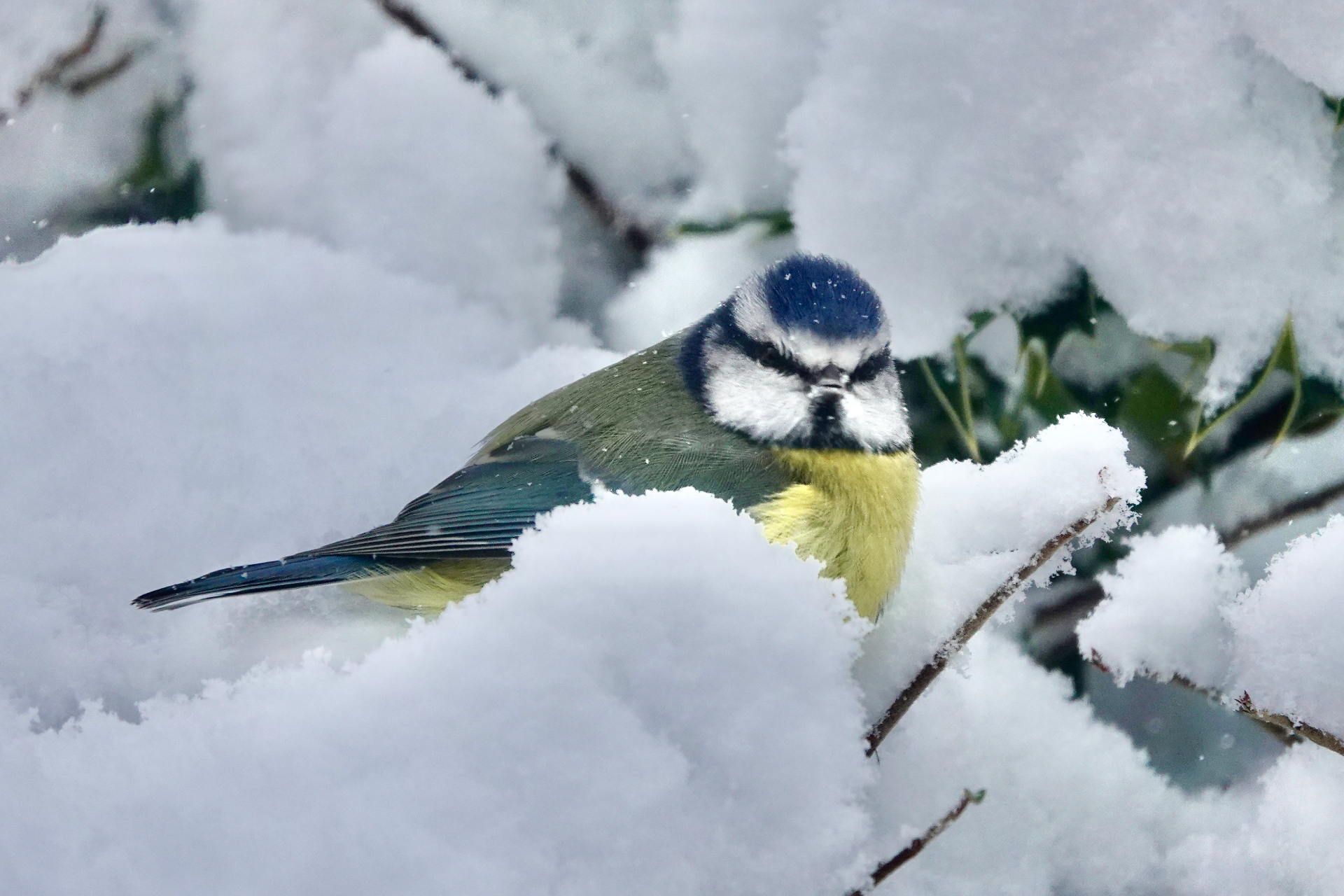
Blue Tit

A familiar garden bird - small, bright blue and yellow.

Habitat:
Woodland, gardens and parks
Status:
Green listed (UK)
Trend:
Stable
Why it matters:
Devours huge numbers of caterpillars - vital for tree health.

A single pair feeds its chicks up to 1,000 caterpillars a day.

Species notes sourced from the RSPB, BTO and partner conservation organisations.

Open species page & photo ID
Marine

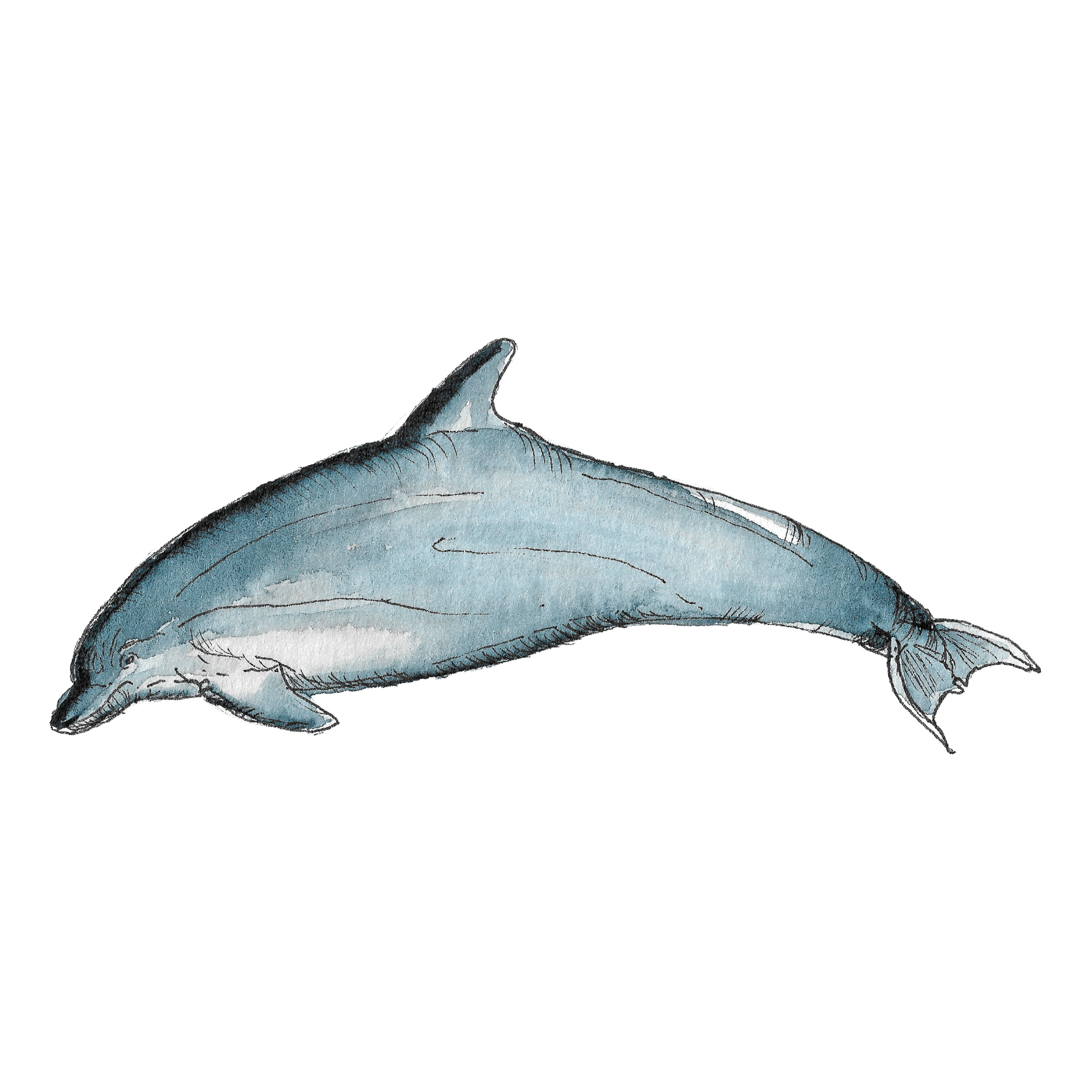
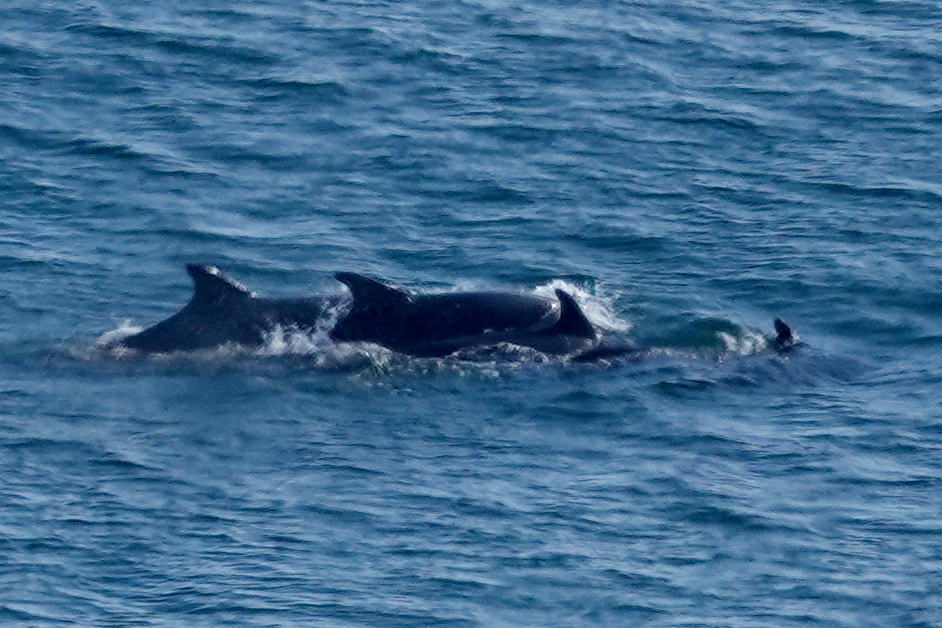
Bottlenose Dolphin

Intelligent, social marine mammals found off the UK coast.

Habitat:
Coastal and shelf seas around the UK
Status:
Protected (UK & EU)
Trend:
Stable
Why it matters:
Top predator of fish - an indicator of marine health.

Dolphins recognise themselves in a mirror - one of the few non-human animals that can.

Species notes sourced from the RSPB, BTO and partner conservation organisations.

Open species page & photo ID
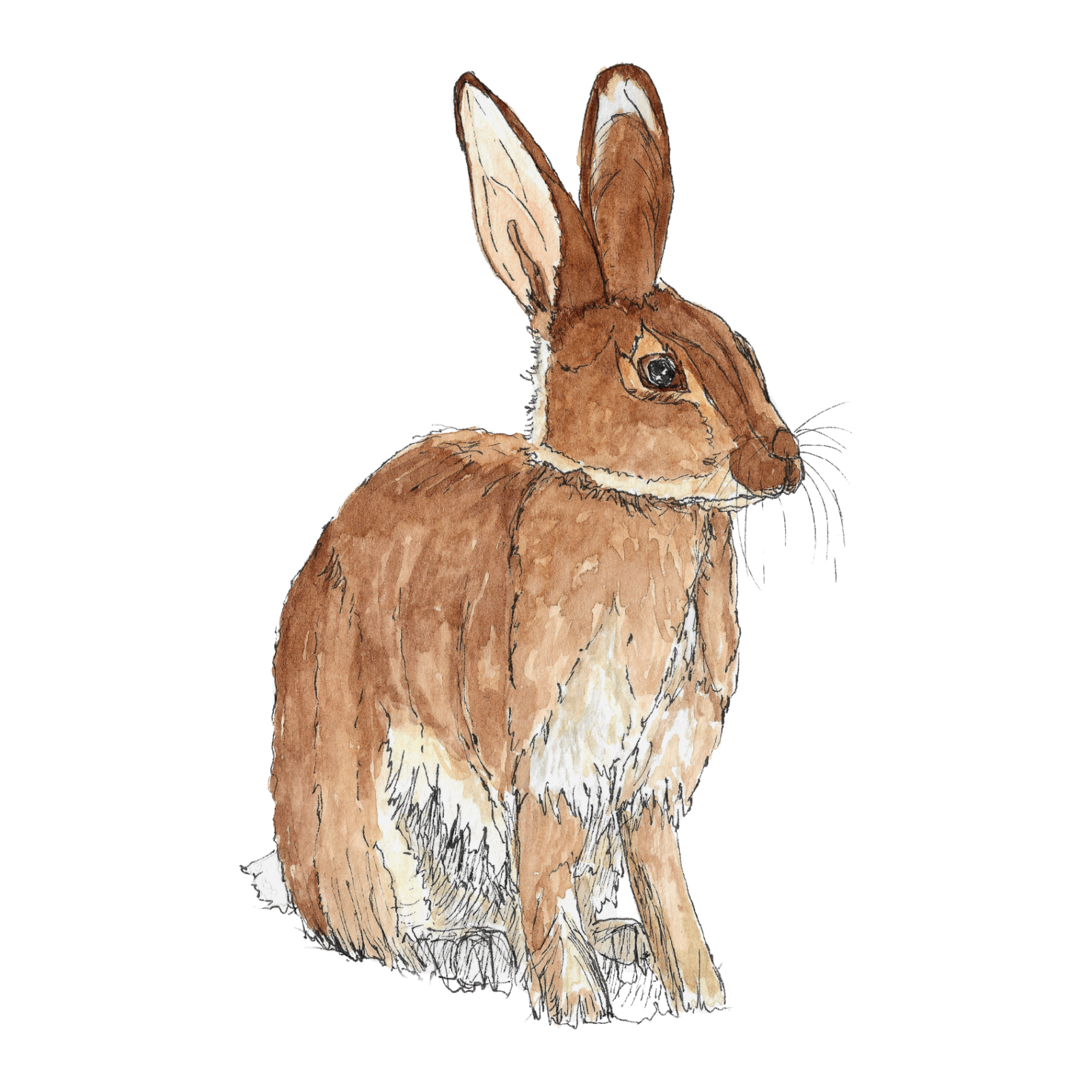
Watercolour illustration of a hare

Mammals

Brown Hare

A long-legged, copper-coloured mammal capable of 45 mph.

Habitat:
Arable farmland and grassland
Status:
UK BAP Priority Species
Trend:
Declining
Why it matters:
Important grazer and prey species for raptors and foxes.

Boxing hares in spring are usually females fending off males.

Species notes sourced from the RSPB, BTO and partner conservation organisations.

Open species page
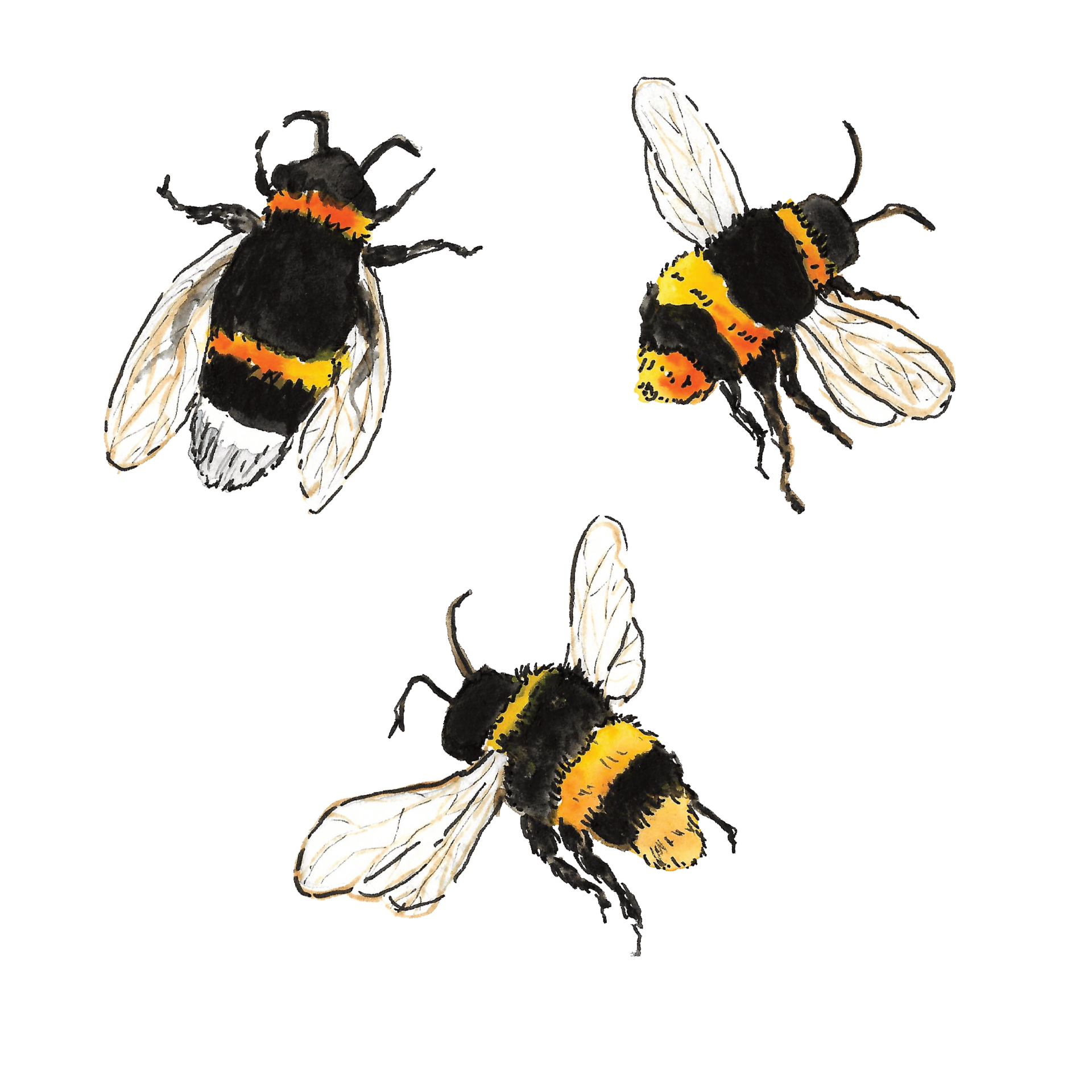
Insects

Bumblebee

Furry, gentle and crucial - bumblebees pollinate much of what we eat.

Habitat:
Anywhere with flowers
Status:
Two UK species extinct since 1940; several threatened
Trend:
Declining
Why it matters:
Primary pollinator of wildflowers, fruit and many vegetables.

A bumblebee will visit around 6,000 flowers in a single day.

Species notes sourced from the RSPB, BTO and partner conservation organisations.

Open species page & photo ID
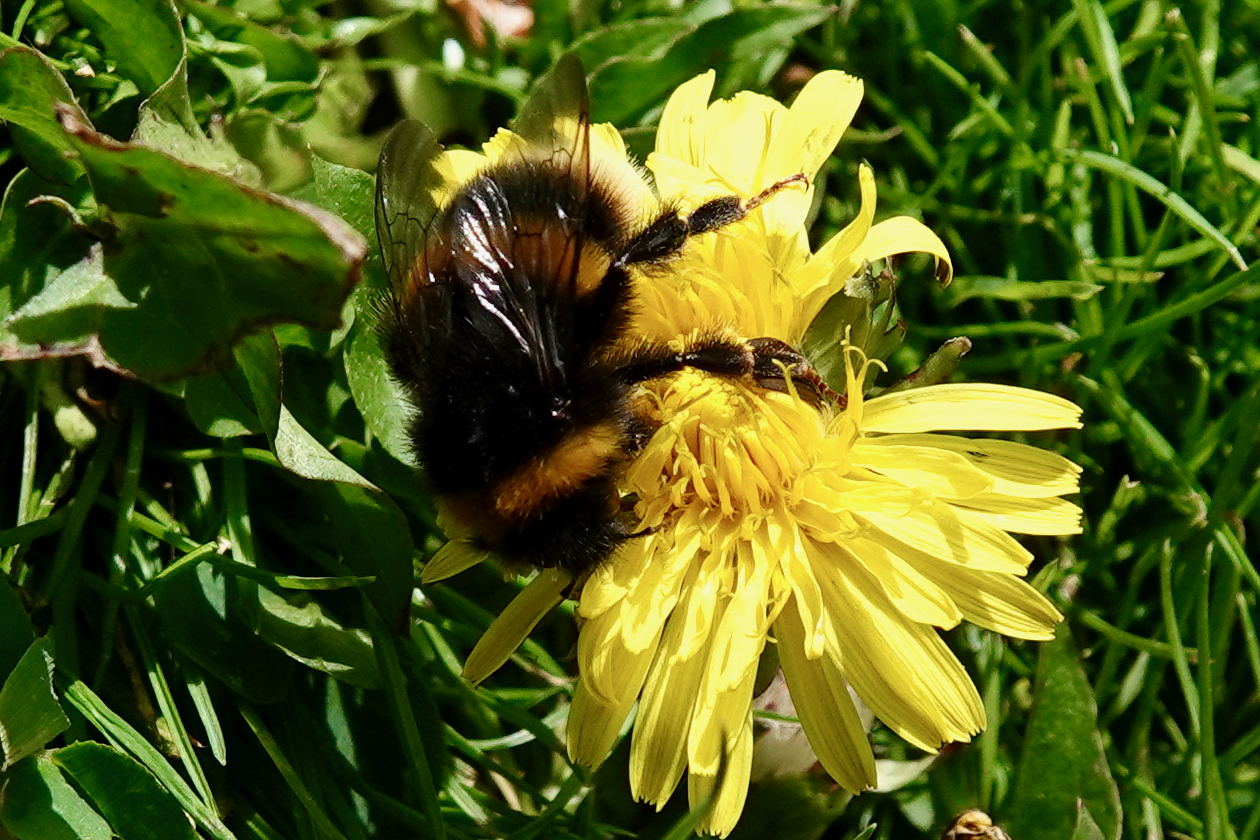
Insects

Bumblebees

Furry, gentle and unmistakable, bumblebees are among the UK's most important pollinators. The UK has around 24 species - look for the bands of black, yellow and white (or sometimes orange and red) across the thorax and abdomen, and the pale or coloured 'tail'. They are active from early spring through to autumn, working flowers from dawn until dusk.

Habitat:
See species page for habitat detail
Status:
See species page
Trend:
Stable
Why it matters:
Part of the wider North York Moors food web.

See the photo ID guide on the species page for field marks.

Species notes sourced from the RSPB, BTO and partner conservation organisations.

Open species page & photo ID
Birds

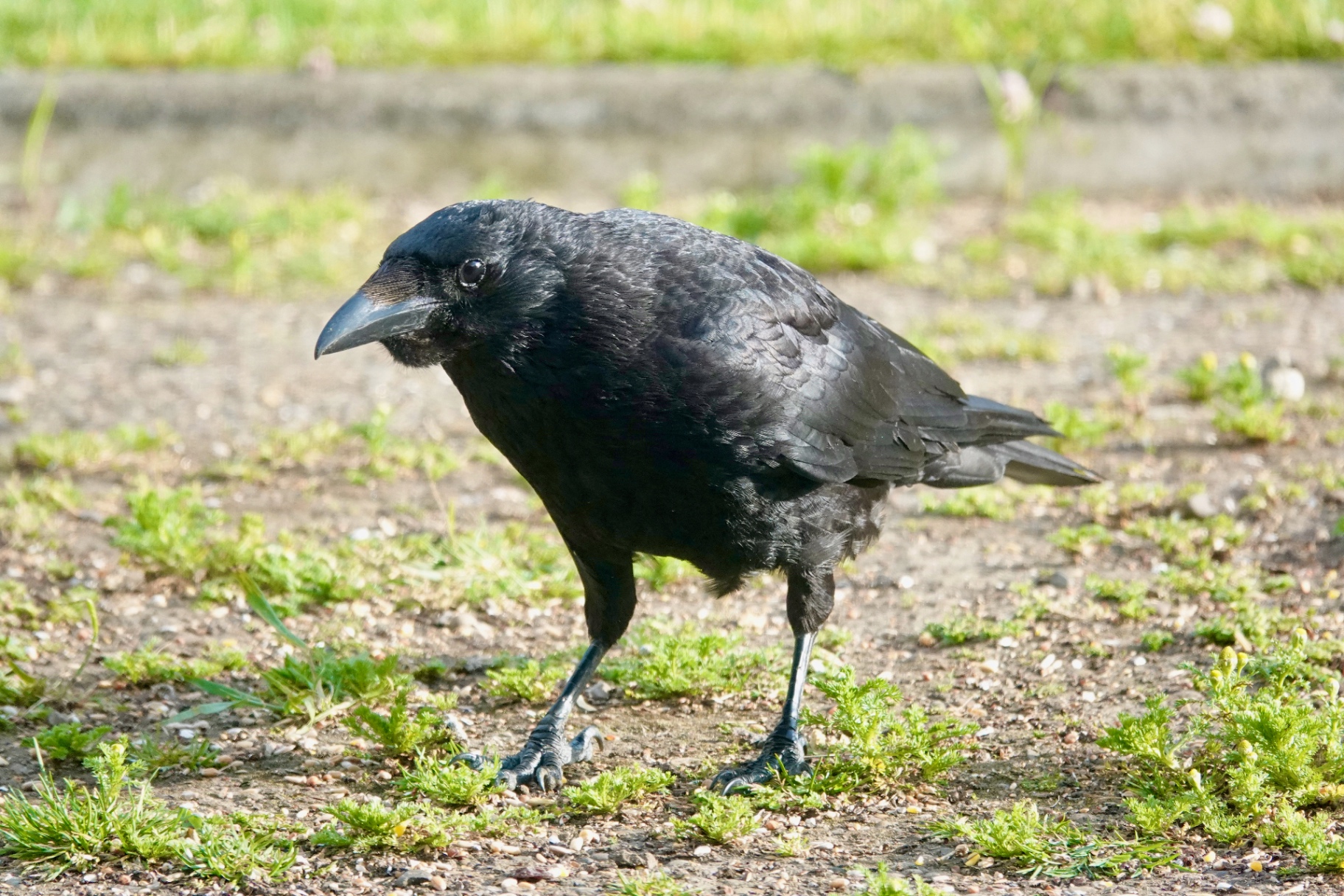
Carrion Crow

All-black, sturdy and intelligent, the Carrion Crow is often confused with the Rook. Crows are usually seen alone or in pairs, with a heavy black beak and tight black feathering at the base of the beak. They are problem-solvers - some of the smartest birds in the UK.

Habitat:
See species page for habitat detail
Status:
See species page
Trend:
Stable
Why it matters:
Part of the wider North York Moors food web.

See the photo ID guide on the species page for field marks.

Species notes sourced from the RSPB, BTO and partner conservation organisations.

Open species page & photo ID
Birds

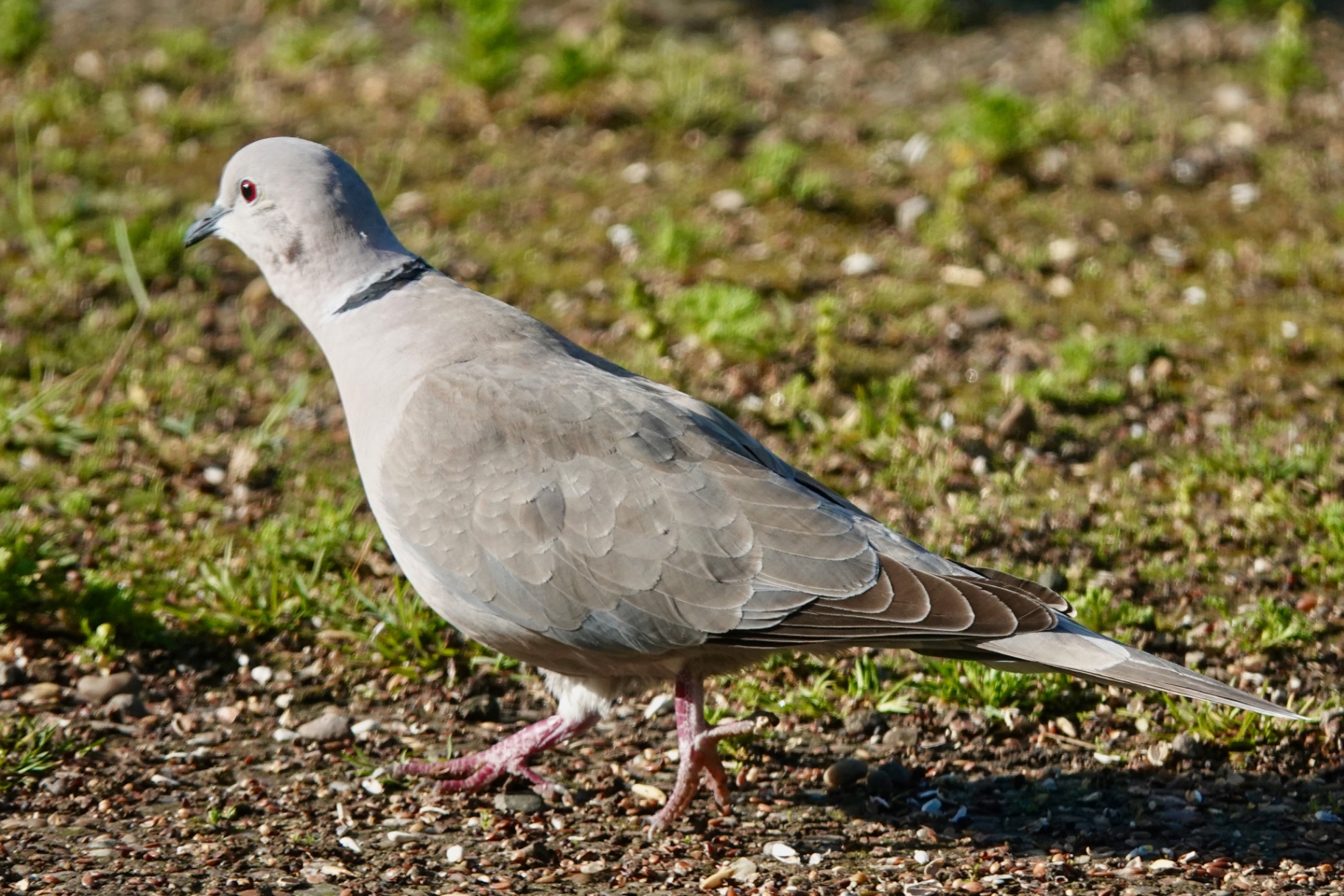
Collared Dove

A soft pinkish-grey dove with a distinctive thin black half-collar on the back of the neck. Only colonised the UK in the 1950s, spreading from the Middle East, but is now common in towns, villages and gardens across the country. Listen for the gentle three-note 'coo-COO-coo'.

Habitat:
See species page for habitat detail
Status:
See species page
Trend:
Stable
Why it matters:
Part of the wider North York Moors food web.

See the photo ID guide on the species page for field marks.

Species notes sourced from the RSPB, BTO and partner conservation organisations.

Open species page & photo ID
Insects

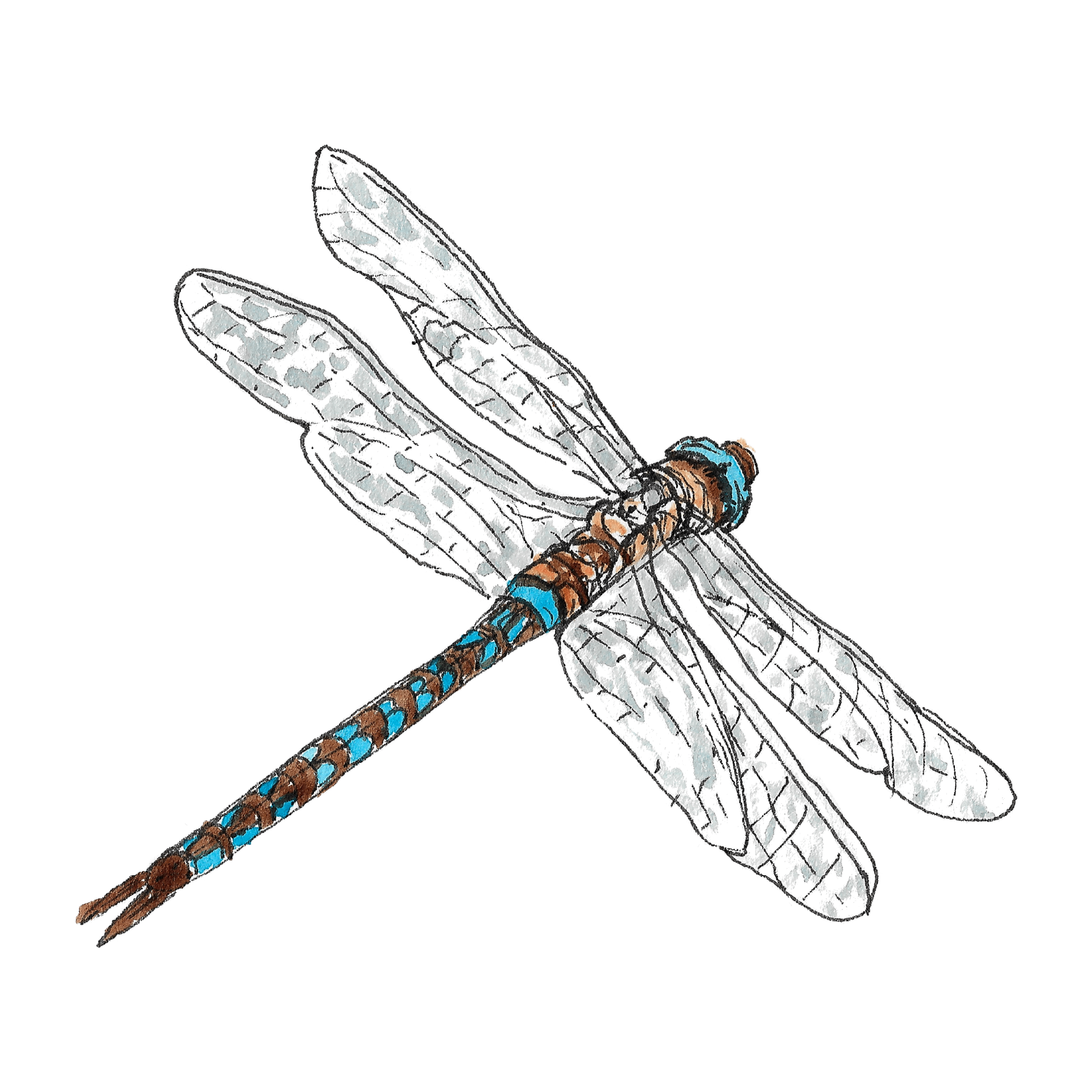
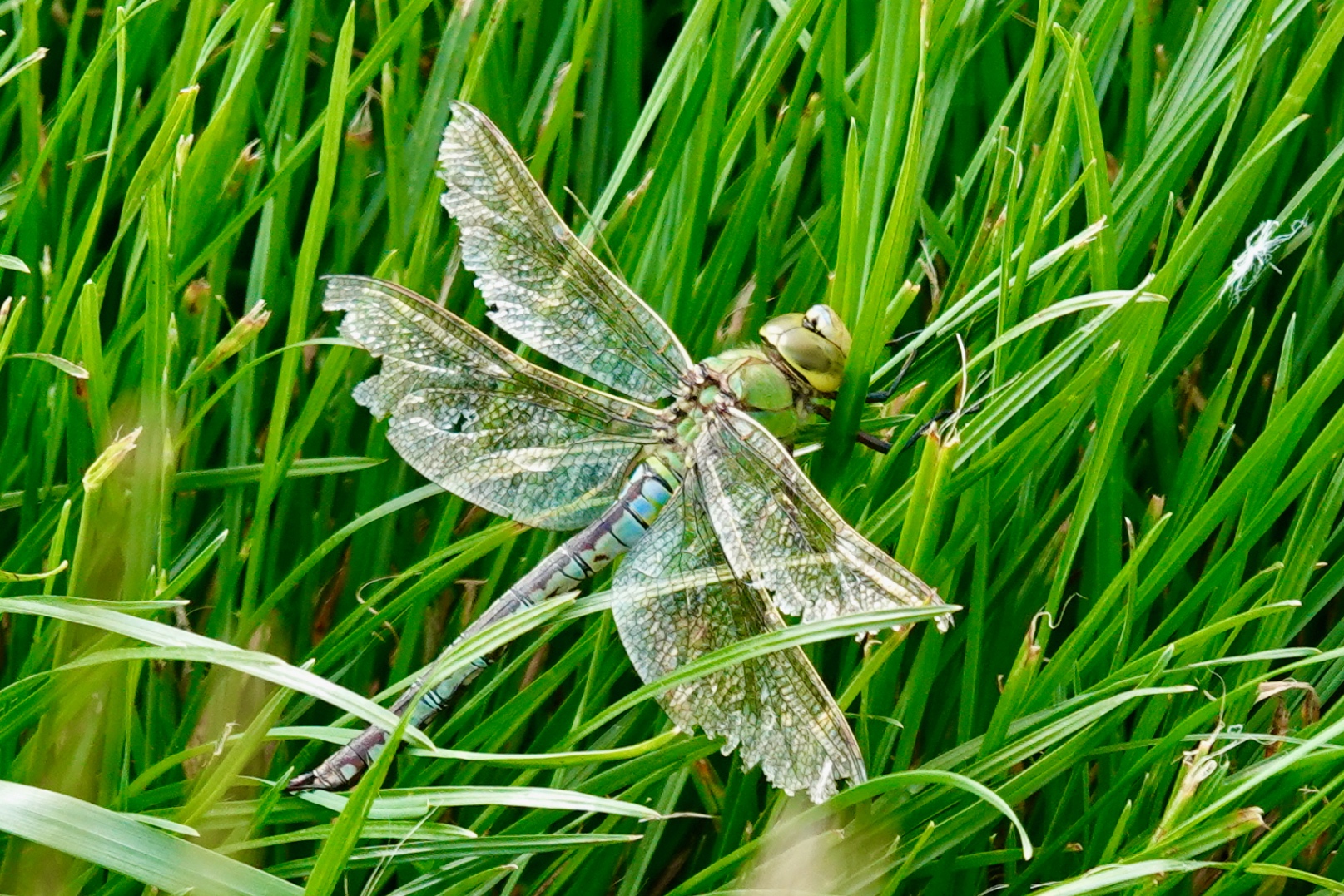
Dragonfly

An ancient, jewel-bright predator that hunts on the wing.

Habitat:
Ponds, rivers and wetland margins
Status:
Mixed - several UK species in decline
Trend:
Declining
Why it matters:
Aerial predator of midges and mosquitoes; larvae feed fish and birds.

Dragonflies have been on Earth for over 300 million years - older than dinosaurs.

Species notes sourced from the RSPB, BTO and partner conservation organisations.

Open species page & photo ID
Watercolour illustration of an earthworm

Insects

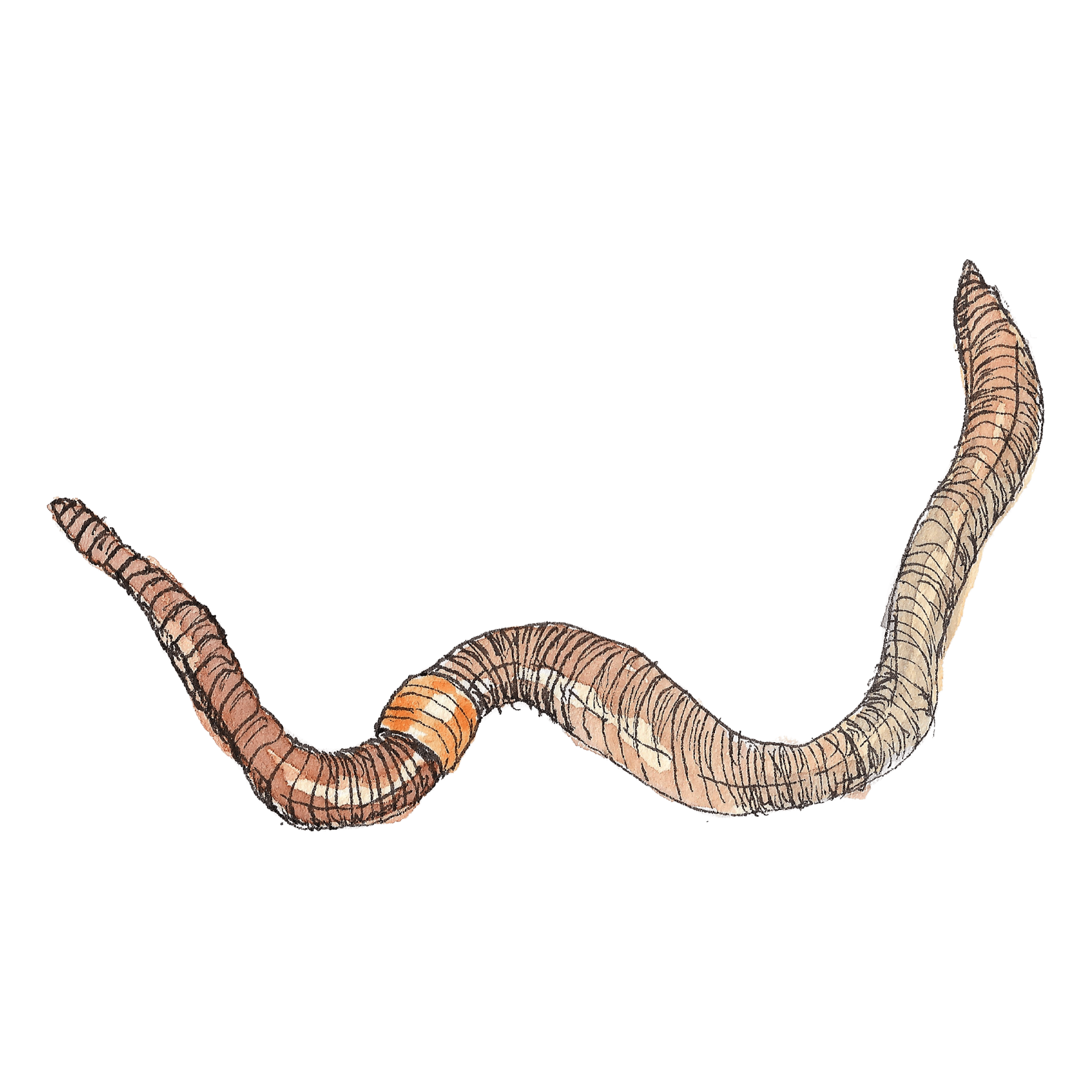
Earthworm

The quiet engineer of healthy soil.

Habitat:
Soil across gardens, fields and woodland
Status:
Least Concern (UK)
Trend:
Stable
Why it matters:
Aerates and enriches soil; feeds badgers, hedgehogs and blackbirds.

A hectare of healthy pasture can hold over a million earthworms.

Species notes sourced from the RSPB, BTO and partner conservation organisations.

Open species page
Insects

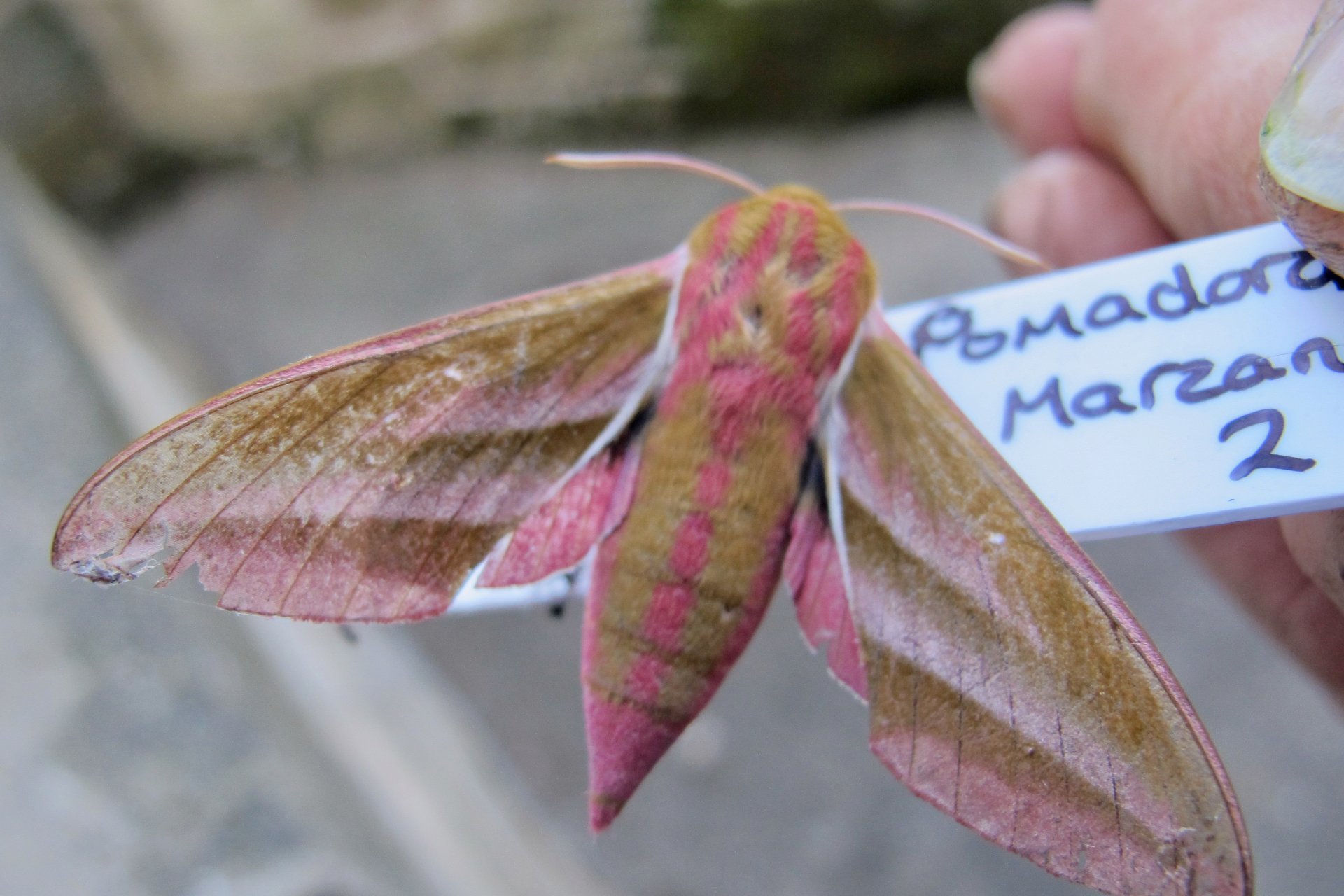
Elephant Hawk Moth

One of the UK's most spectacular moths - a rich olive-green and vivid pink, with a chunky torpedo-shaped body. Adults fly at dusk from May to July, feeding on honeysuckle and other tubular flowers. The name comes from the caterpillar, whose long trunk-like snout can retract into its body when startled.

Habitat:
See species page for habitat detail
Status:
See species page
Trend:
Stable
Why it matters:
Part of the wider North York Moors food web.

See the photo ID guide on the species page for field marks.

Species notes sourced from the RSPB, BTO and partner conservation organisations.

Open species page & photo ID
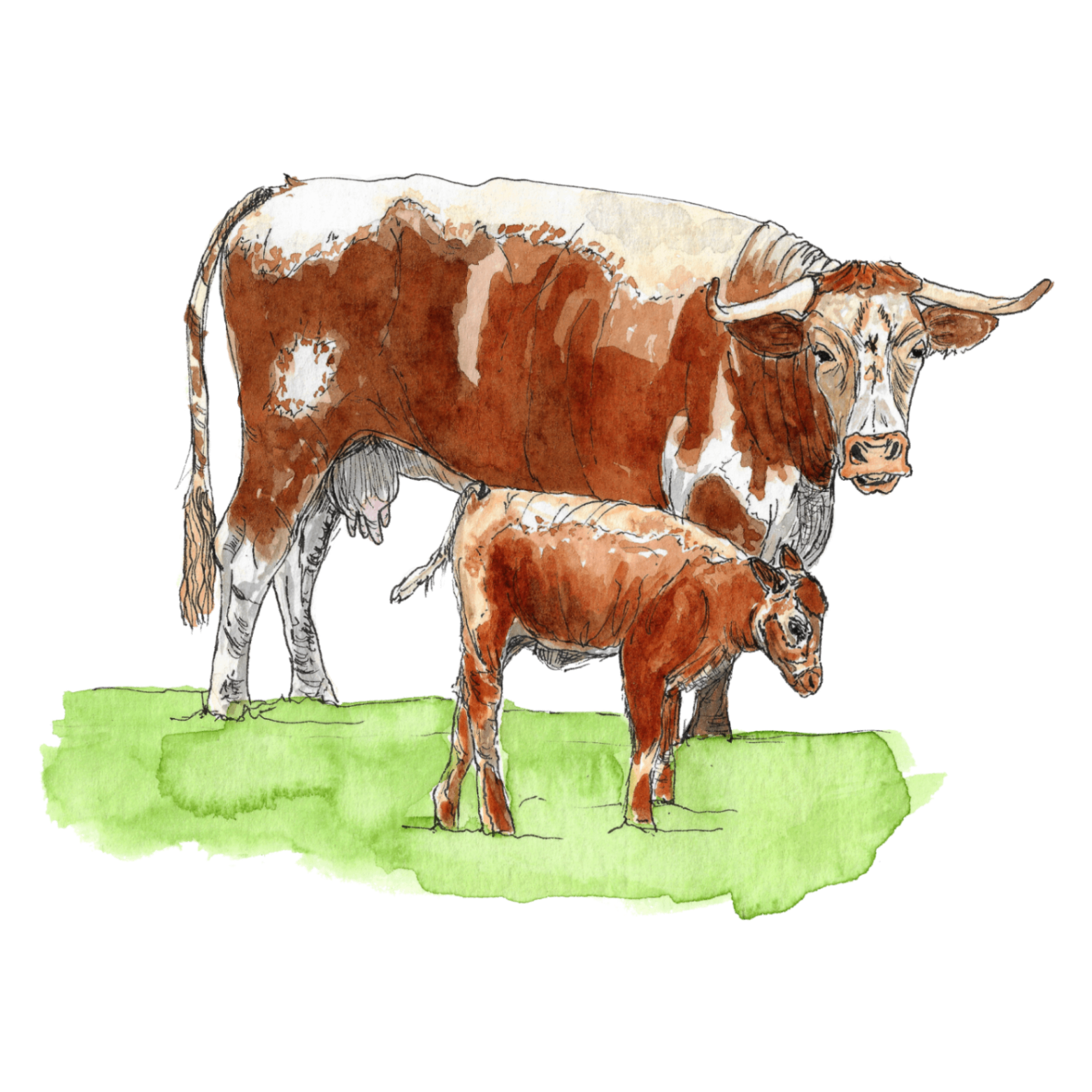
Watercolour illustration of English longhorn cattle

Farm

English Longhorn Cattle

A traditional native breed used for conservation grazing.

Habitat:
Pastures, parkland and rewilding sites
Status:
Native Breed at Risk (RBST)
Trend:
Recovering
Why it matters:
Their varied grazing creates flower-rich, structurally diverse meadows.

Longhorns thrive on rougher grazing where modern breeds cannot, helping rare meadows return.

Species notes sourced from the RSPB, BTO and partner conservation organisations.

Open species page
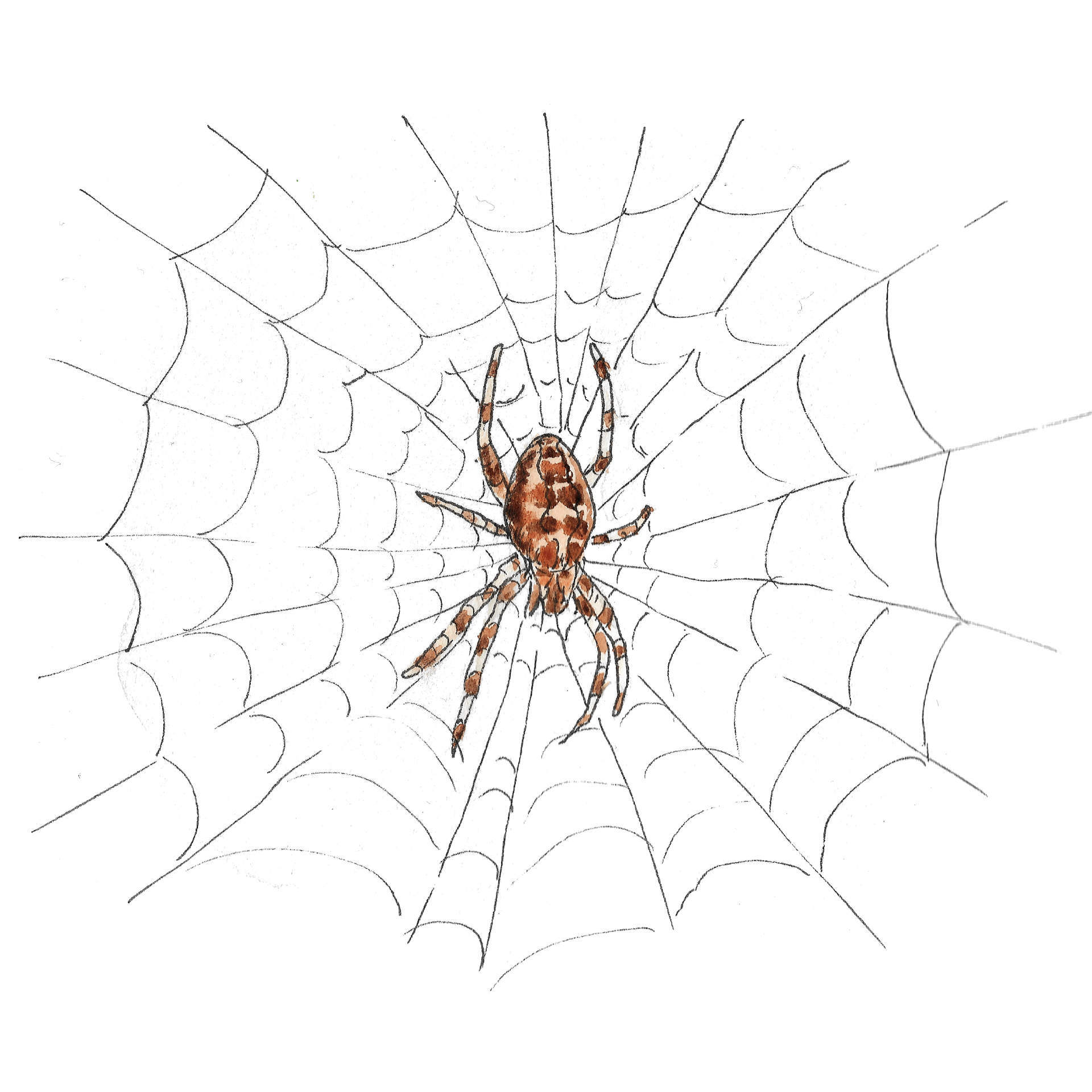
Watercolour illustration of a garden spider

Insects

Garden Spider

The classic orb-weaver that spins dewy webs each morning.

Habitat:
Gardens, hedgerows and woodland
Status:
Least Concern (UK)
Trend:
Stable
Why it matters:
Catches enormous numbers of flying insects.

A garden spider rebuilds its entire web most nights - and often eats the old one.

Species notes sourced from the RSPB, BTO and partner conservation organisations.

Open species page
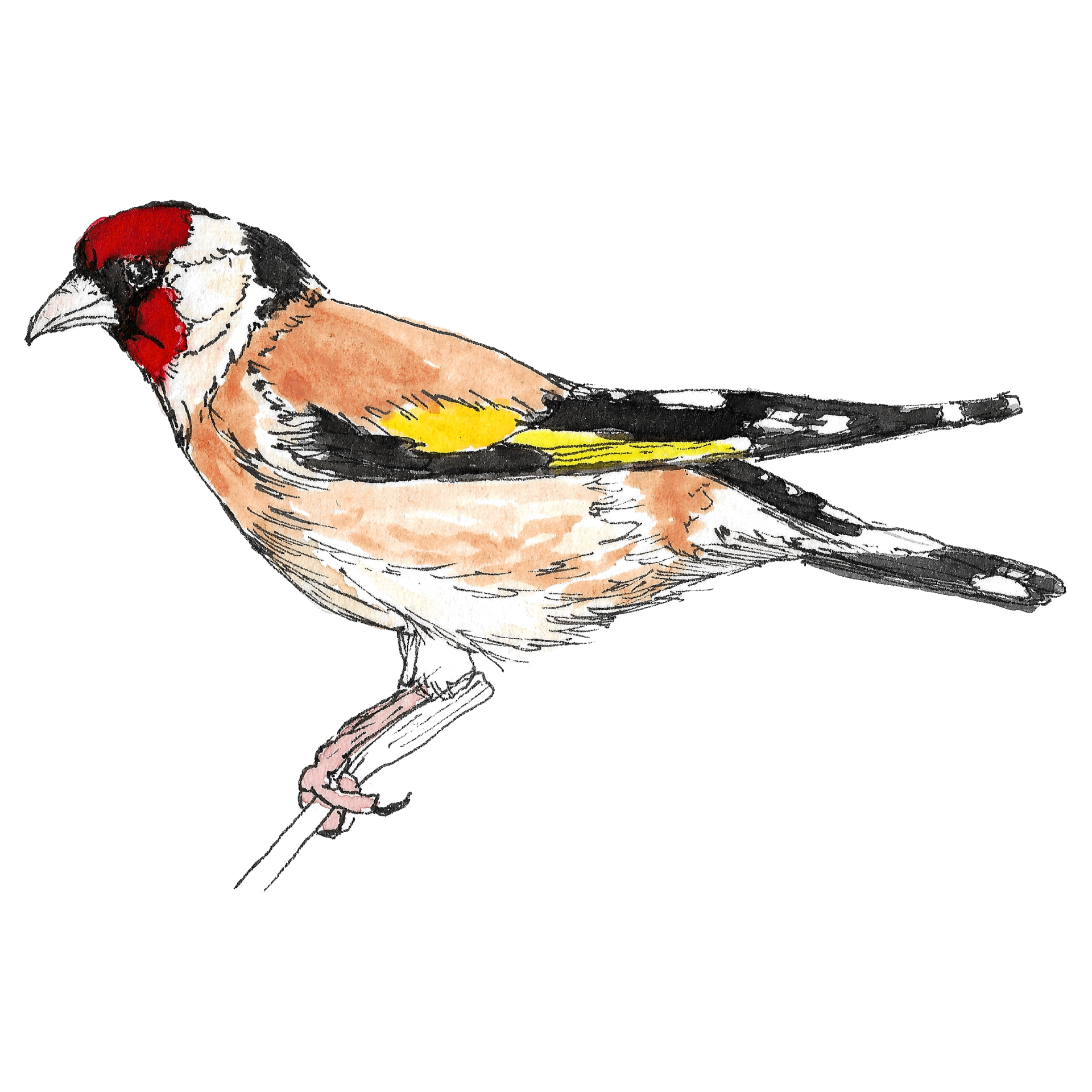
Watercolour illustration of a goldfinch

Birds

Goldfinch

A small finch with a red face and dazzling yellow wing flashes.

Habitat:
Gardens, parks and rough ground
Status:
Green listed (UK)
Trend:
Stable
Why it matters:
Disperses seeds of teasels, thistles and other wildflowers.

A flock of goldfinches is called a 'charm'.

Species notes sourced from the RSPB, BTO and partner conservation organisations.

Open species page
Birds

Great Spotted Woodpecker

A black, white and crimson woodpecker that drums on trees in spring.

Habitat:
Woodland, parks and large gardens
Status:
Green listed (UK)
Trend:
Recovering
Why it matters:
Creates nest holes later used by tits, owls and bats.

A woodpecker's tongue wraps around the inside of its skull, cushioning its brain as it hammers.

Species notes sourced from the RSPB, BTO and partner conservation organisations.

Open species page & photo ID
Birds

Great Tit

Larger and bolder than the Blue Tit, with a glossy black head, bright white cheeks, olive back and lemon-yellow underparts split by a strong black stripe. One of the commonest garden birds in North Yorkshire, equally happy in woodland, orchards, parks and back gardens.

Habitat:
See species page for habitat detail
Status:
See species page
Trend:
Stable
Why it matters:
Part of the wider North York Moors food web.

See the photo ID guide on the species page for field marks.

Species notes sourced from the RSPB, BTO and partner conservation organisations.

Open species page & photo ID
Marine

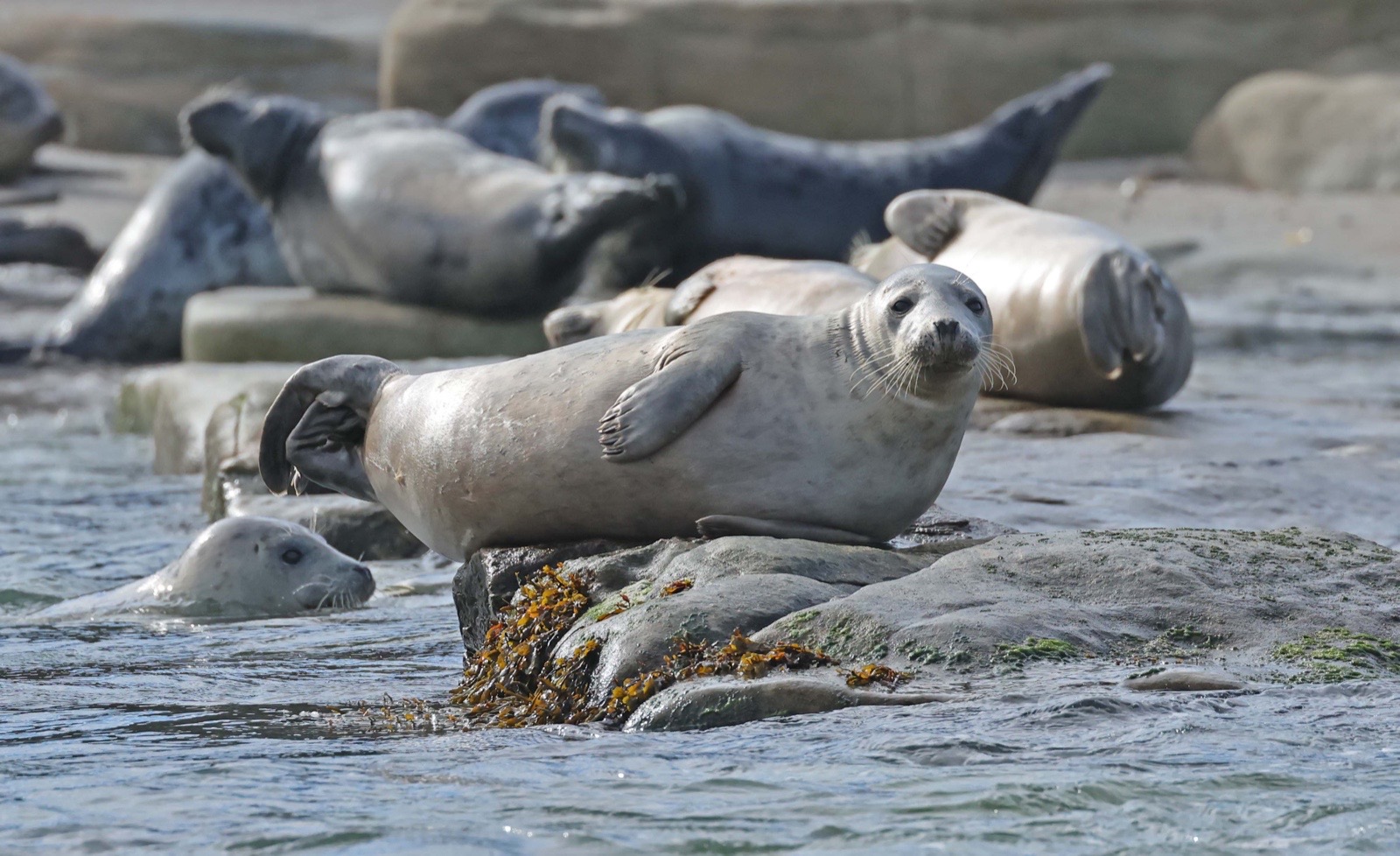
Grey Seal

The UK is home to nearly 40% of the world's grey seals.

Habitat:
Rocky coasts and remote beaches
Status:
Protected - Conservation of Seals Act
Trend:
Recovering
Why it matters:
Top predator that helps balance fish populations.

Grey seal pups are born with white fluffy fur and shed it in their first few weeks.

Species notes sourced from the RSPB, BTO and partner conservation organisations.

Open species page & photo ID
Mammals

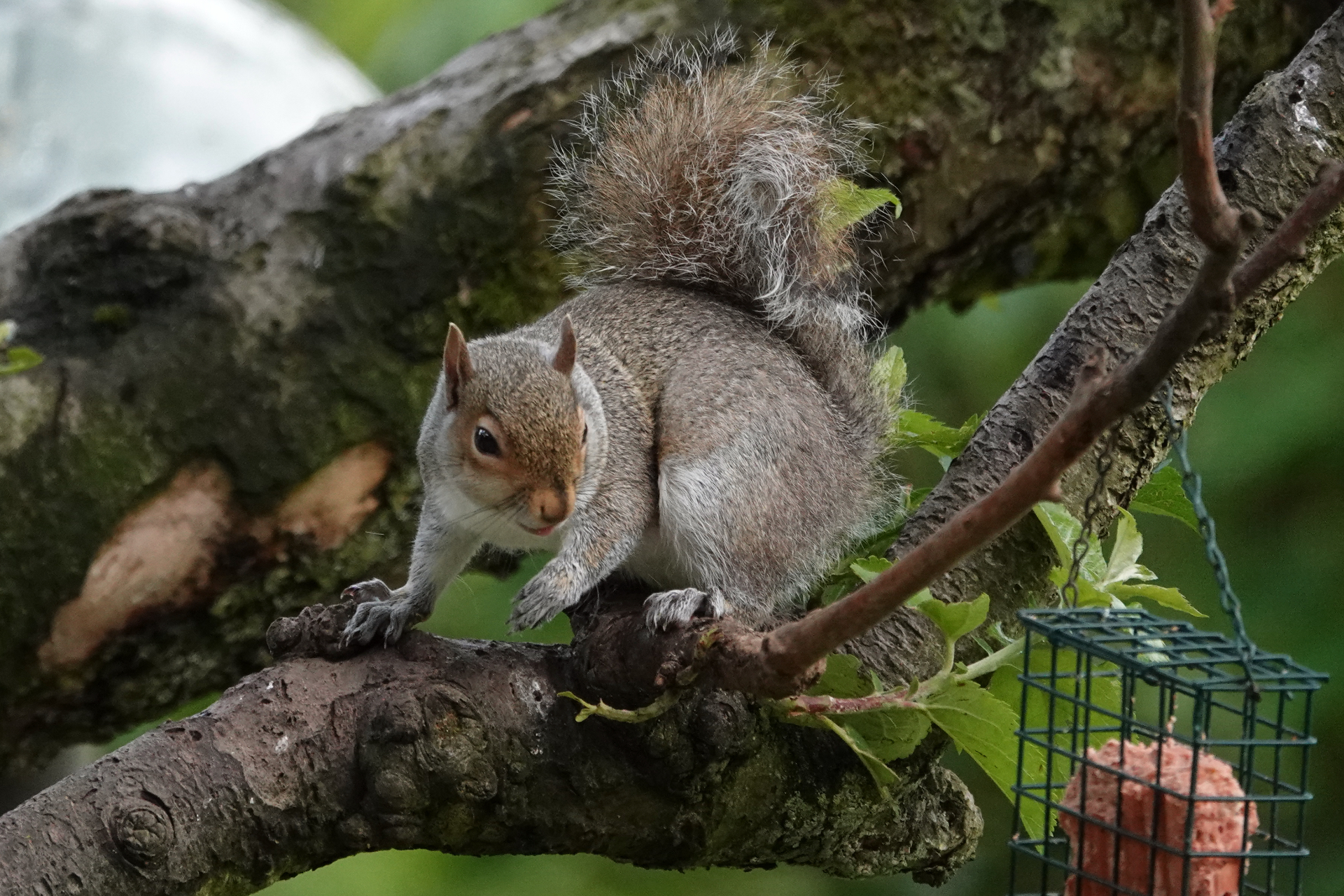
Grey Squirrel

An introduced North American mammal now widespread across England and Wales. Grey-brown above, pale below, with a long bushy tail and prominent ears. Agile, bold and a constant visitor to garden feeders - and an occasional raider of nest boxes.

Habitat:
See species page for habitat detail
Status:
See species page
Trend:
Stable
Why it matters:
Part of the wider North York Moors food web.

See the photo ID guide on the species page for field marks.

Species notes sourced from the RSPB, BTO and partner conservation organisations.

Open species page & photo ID
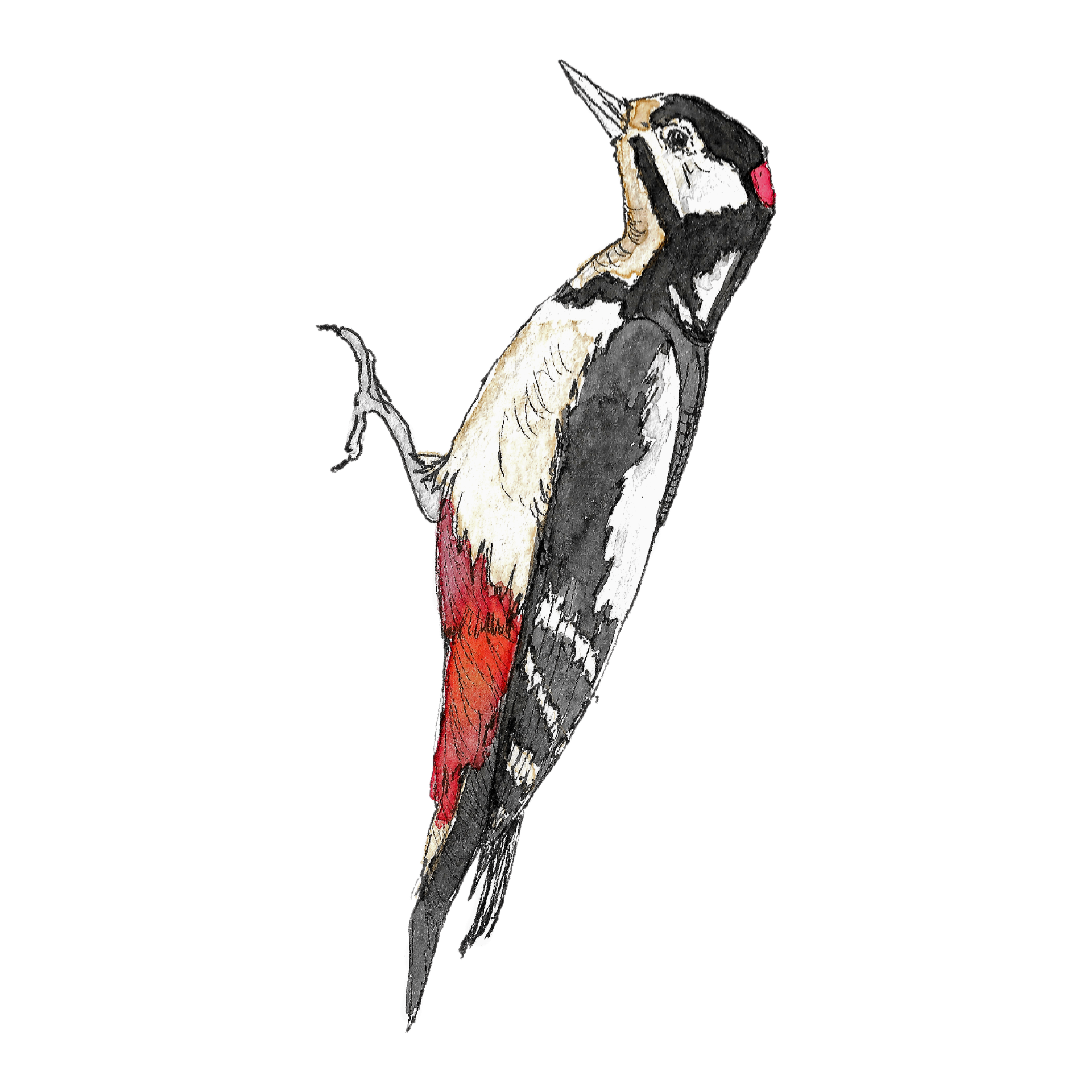
Mammals

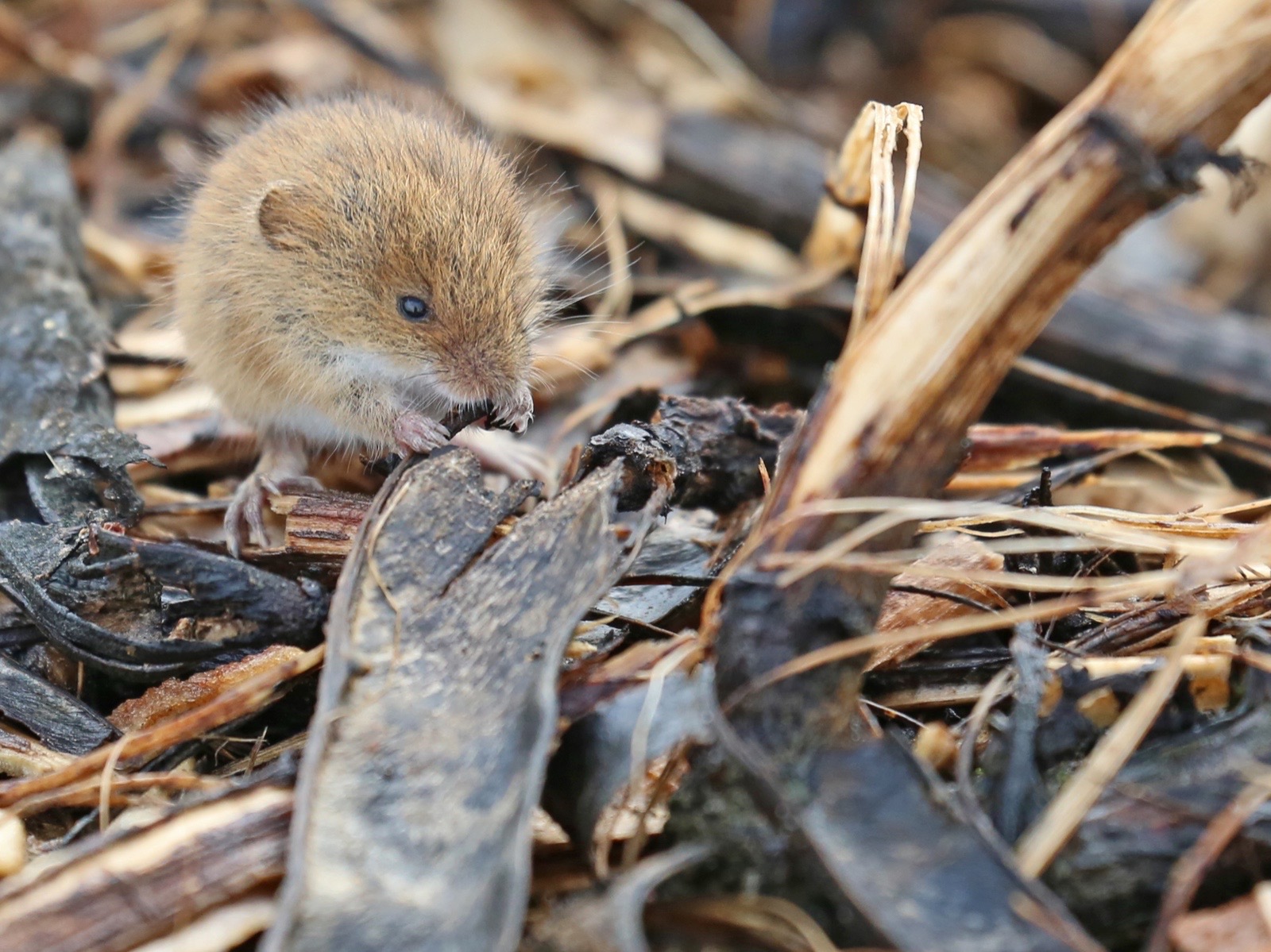
Harvest Mouse

Britain's smallest rodent, weaving spherical nests of grass in tall stems.

Habitat:
Tall ungrazed grassland, reedbeds and cereal field margins
Status:
UK BAP Priority Species
Trend:
Declining
Why it matters:
Prey for Barn Owls, Kestrels and weasels; indicator of healthy, undisturbed grassland.

Field voles outnumber every other mammal in Britain - around 75 million of them.

Species notes sourced from the RSPB, BTO and partner conservation organisations.

Open species page & photo ID
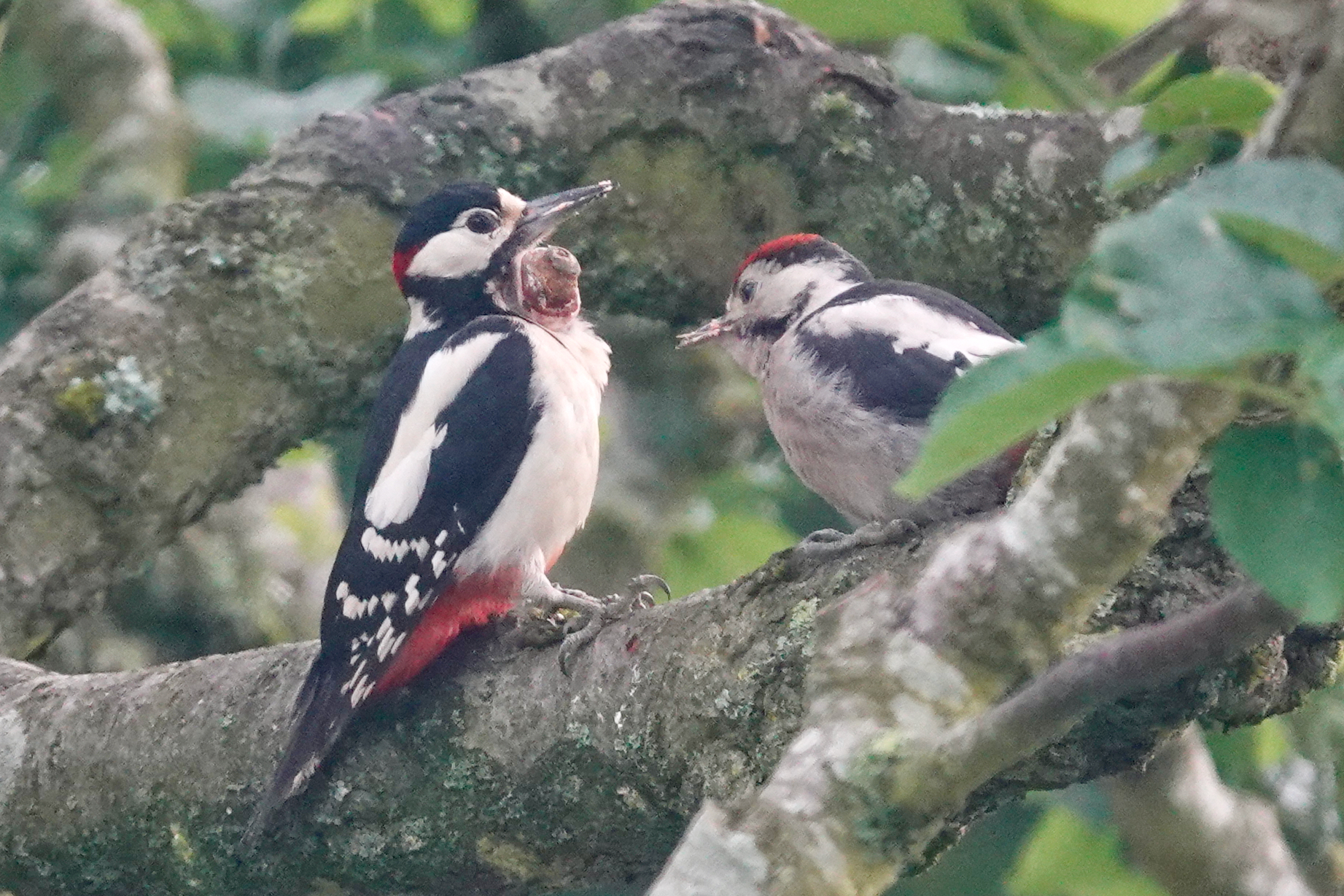
Watercolour illustration of a hazel dormouse

Mammals

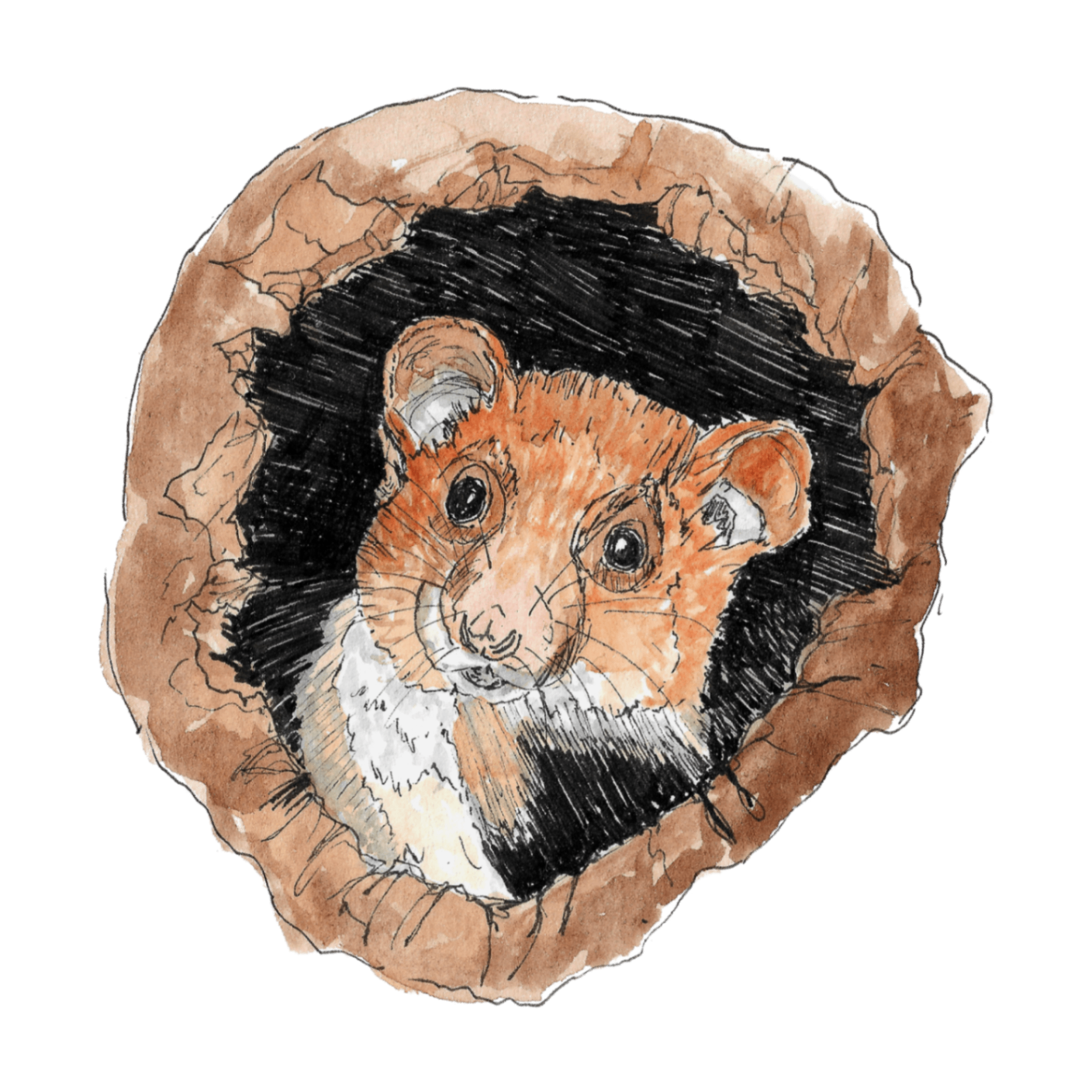
Hazel Dormouse

A tiny golden mammal that sleeps through most of the year.

Habitat:
Ancient woodland and old hedgerows
Status:
Protected - UK BAP Priority
Trend:
Declining
Why it matters:
Indicator of healthy, well-connected woodland.

Dormice can hibernate for up to seven months a year.

Species notes sourced from the RSPB, BTO and partner conservation organisations.

Open species page
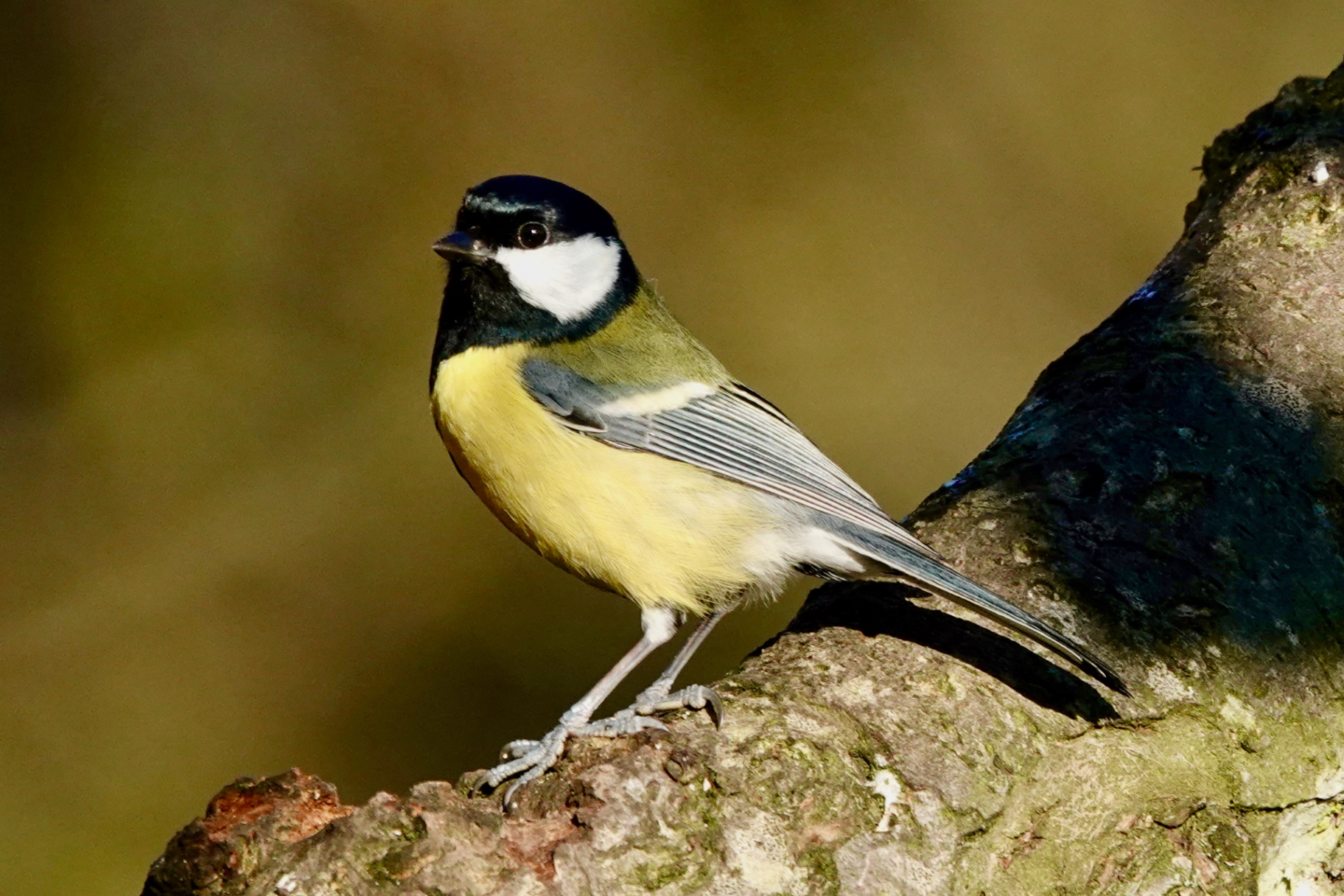
Mammals

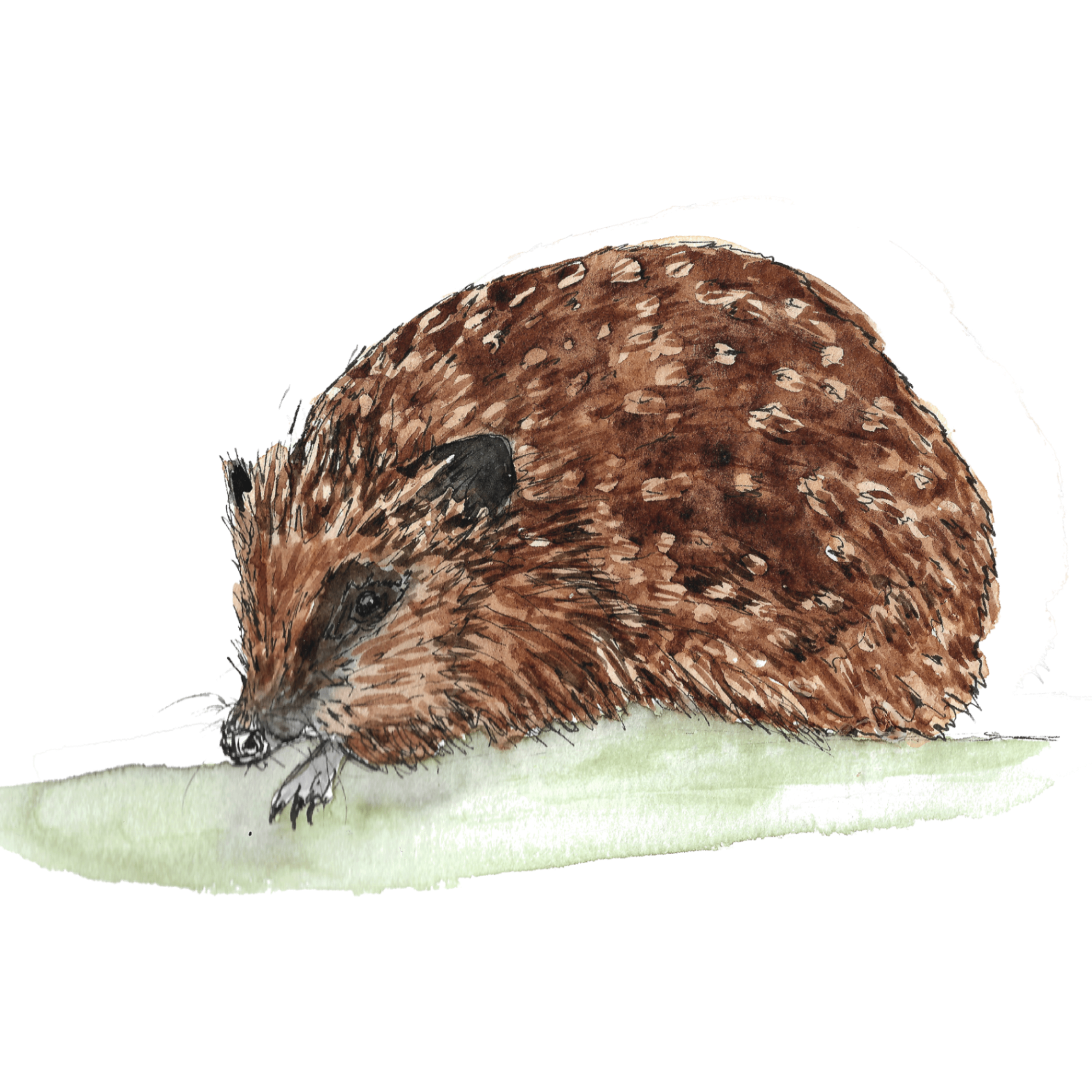
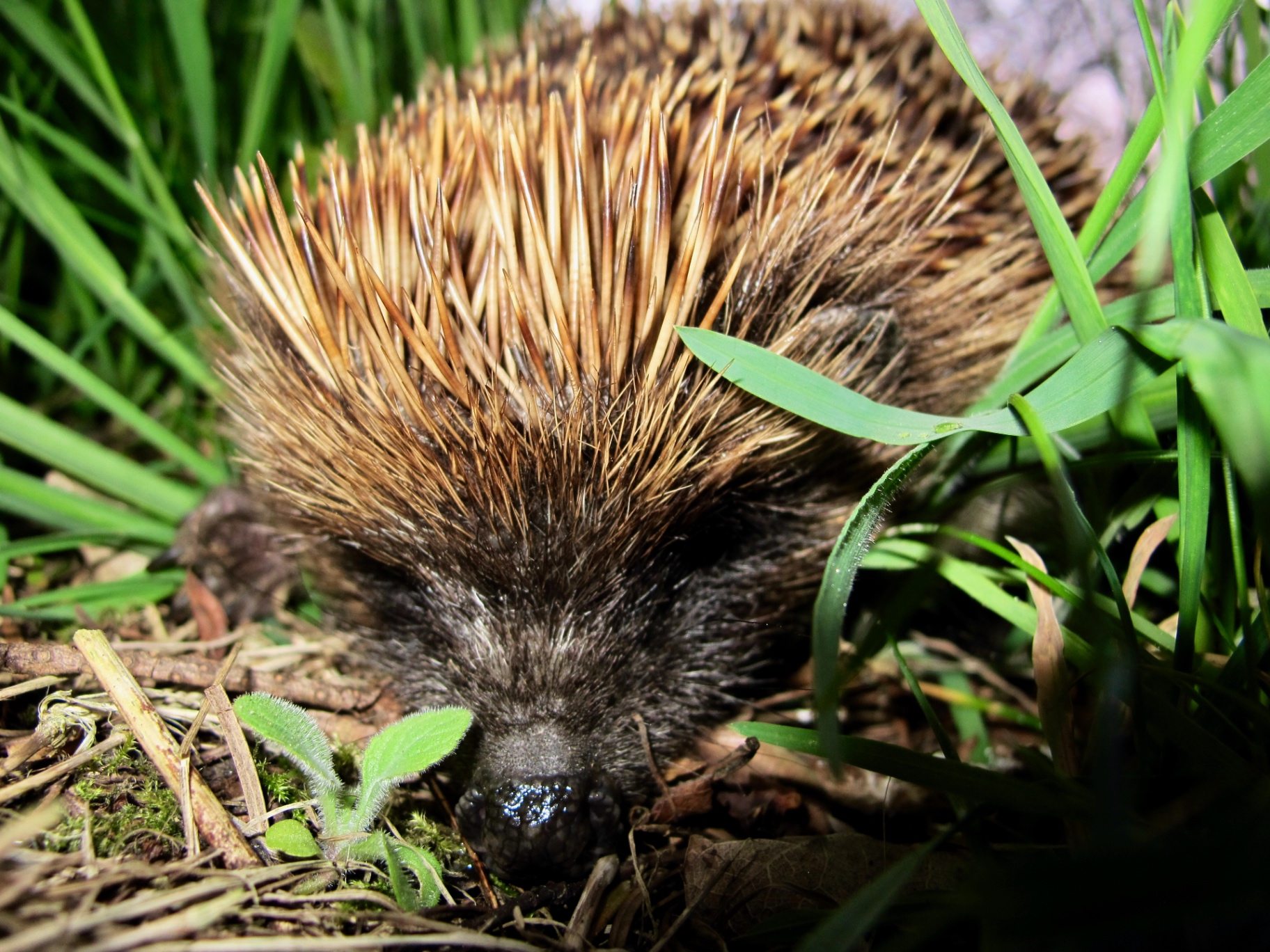
Hedgehog

Our only spiny mammal - and one of our most threatened.

Habitat:
Gardens, hedgerows and woodland edge
Status:
Red listed (UK) - Vulnerable
Trend:
Critically declining
Why it matters:
Eats slugs, snails and beetles - a gardener's best friend.

A 13mm gap in a fence - a 'hedgehog highway' - can connect whole neighbourhoods for them.

Species notes sourced from the RSPB, BTO and partner conservation organisations.

Open species page & photo ID
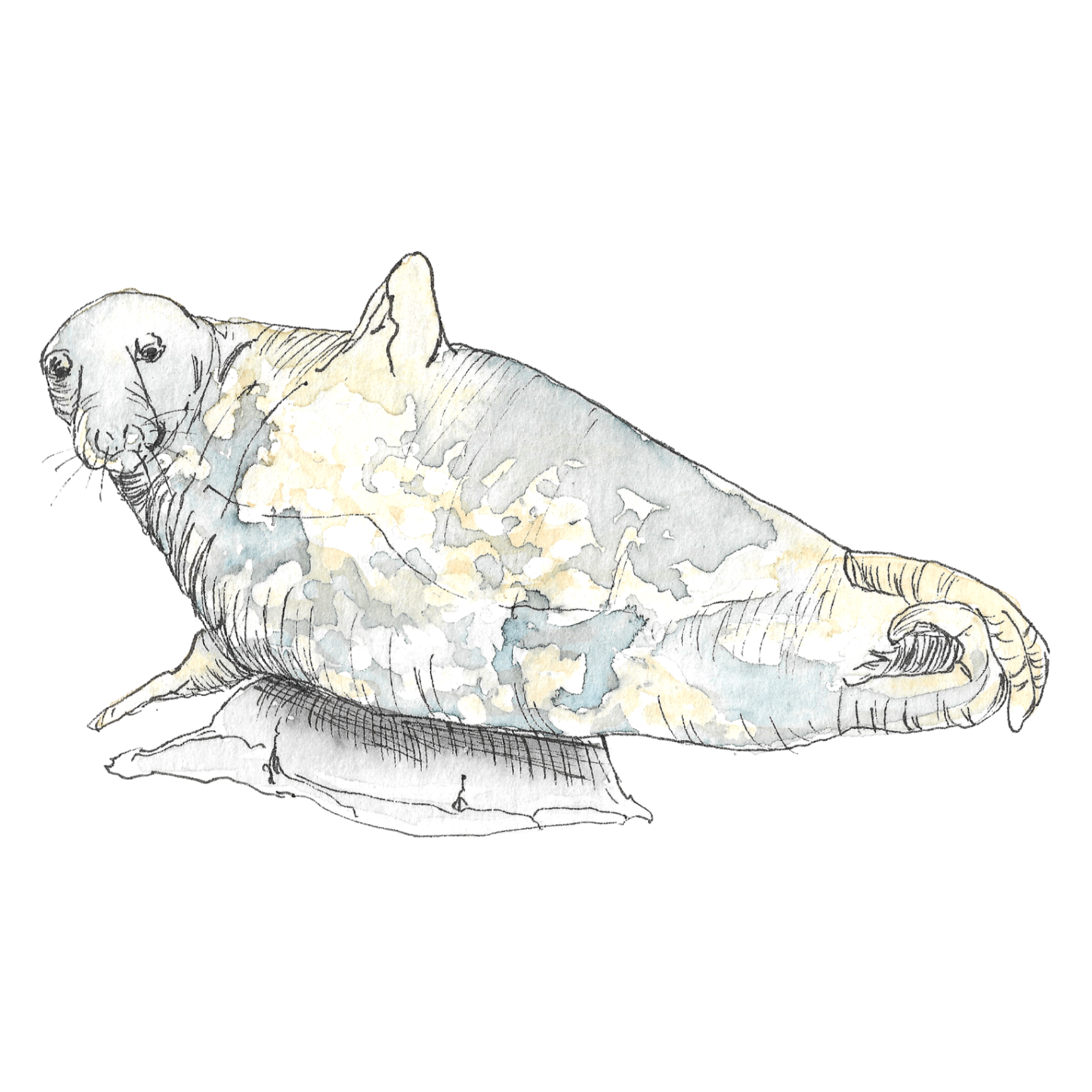
Birds

House Sparrow

A cheerful, sociable bird tied to human settlements.

Habitat:
Towns, villages and farmsteads
Status:
Red listed (UK)
Trend:
Declining
Why it matters:
Seed-eater and insect predator around farms, towns and gardens.

House sparrow numbers have fallen by over 70% in the UK since the 1970s.

Species notes sourced from the RSPB, BTO and partner conservation organisations.

Open species page
Birds

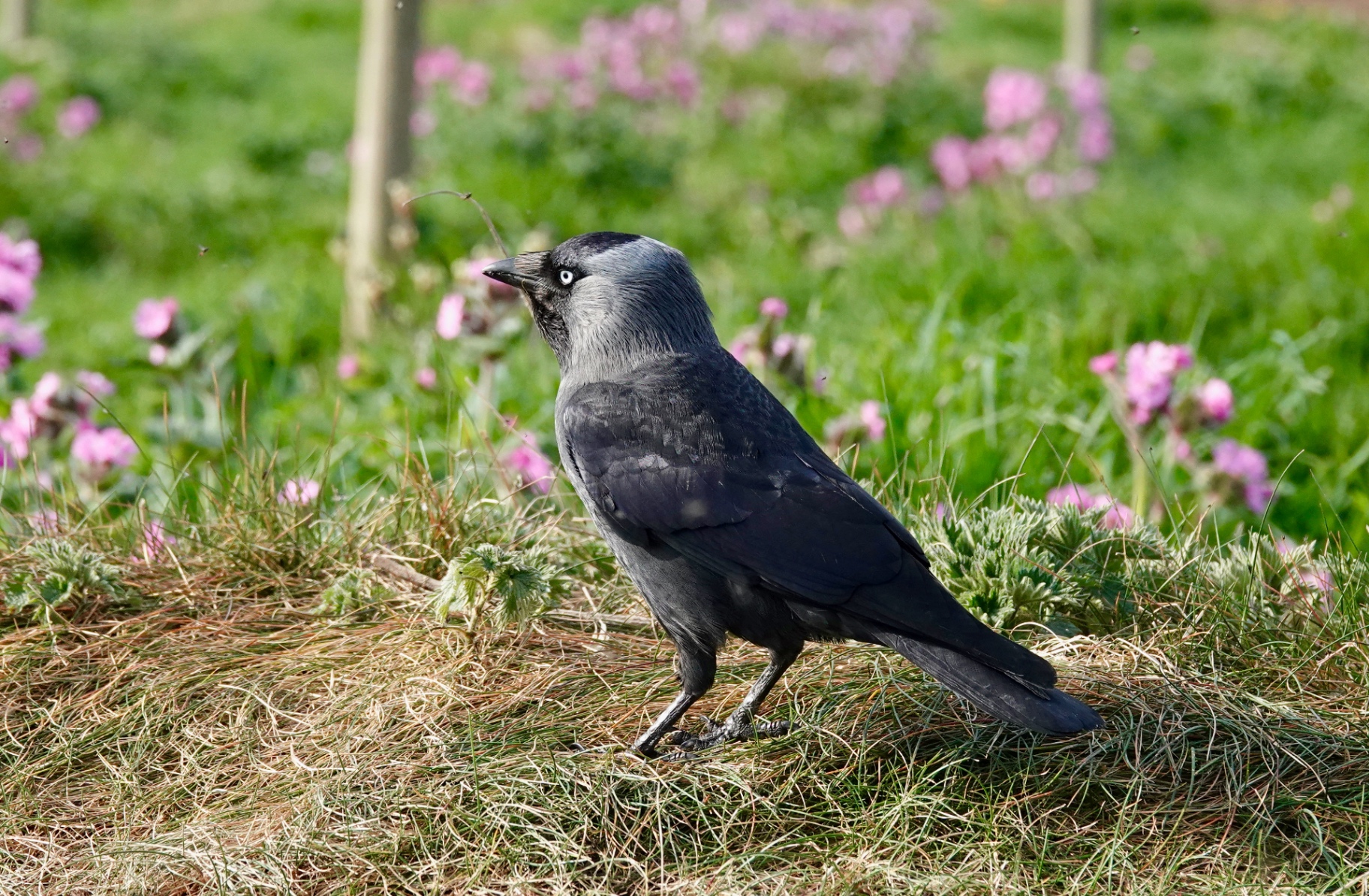
Jackdaw

The smallest member of the UK crow family - compact, sooty-black with a distinctive pale silvery nape and piercing white-blue eye. Sociable and talkative, jackdaws form lifelong pairs and gather in noisy flocks around old buildings, church towers, quarries and farmyards across North Yorkshire.

Habitat:
See species page for habitat detail
Status:
See species page
Trend:
Stable
Why it matters:
Part of the wider North York Moors food web.

See the photo ID guide on the species page for field marks.

Species notes sourced from the RSPB, BTO and partner conservation organisations.

Open species page & photo ID
Insects

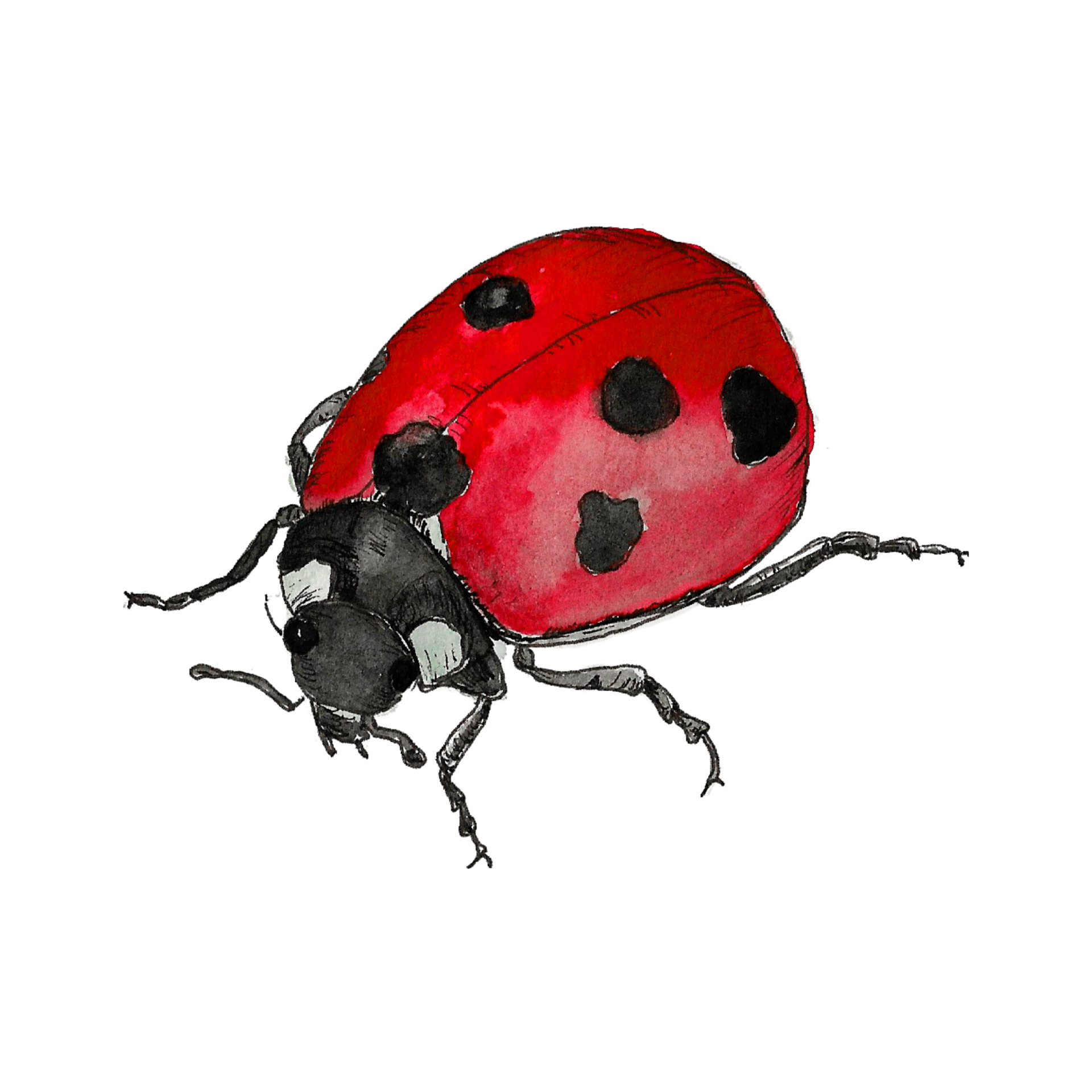
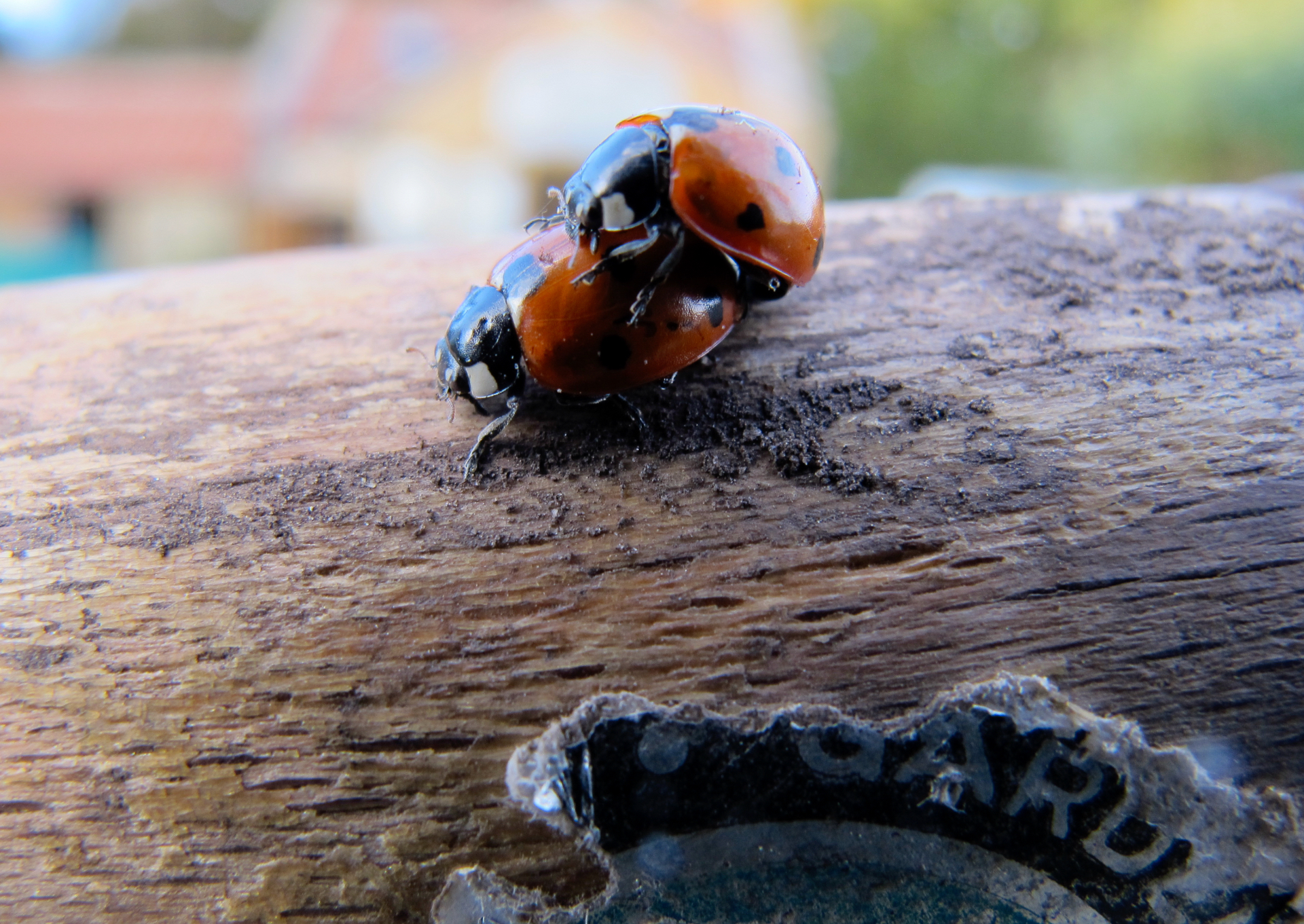
Ladybird

A familiar red beetle with black spots and a huge appetite for aphids.

Habitat:
Gardens, hedgerows and woodland edge
Status:
Mixed - native species threatened by harlequin invasion
Trend:
Declining
Why it matters:
Natural pest controller in gardens, meadows and farmland.

A single ladybird can eat 5,000 aphids in its lifetime.

Species notes sourced from the RSPB, BTO and partner conservation organisations.

Open species page & photo ID
Birds

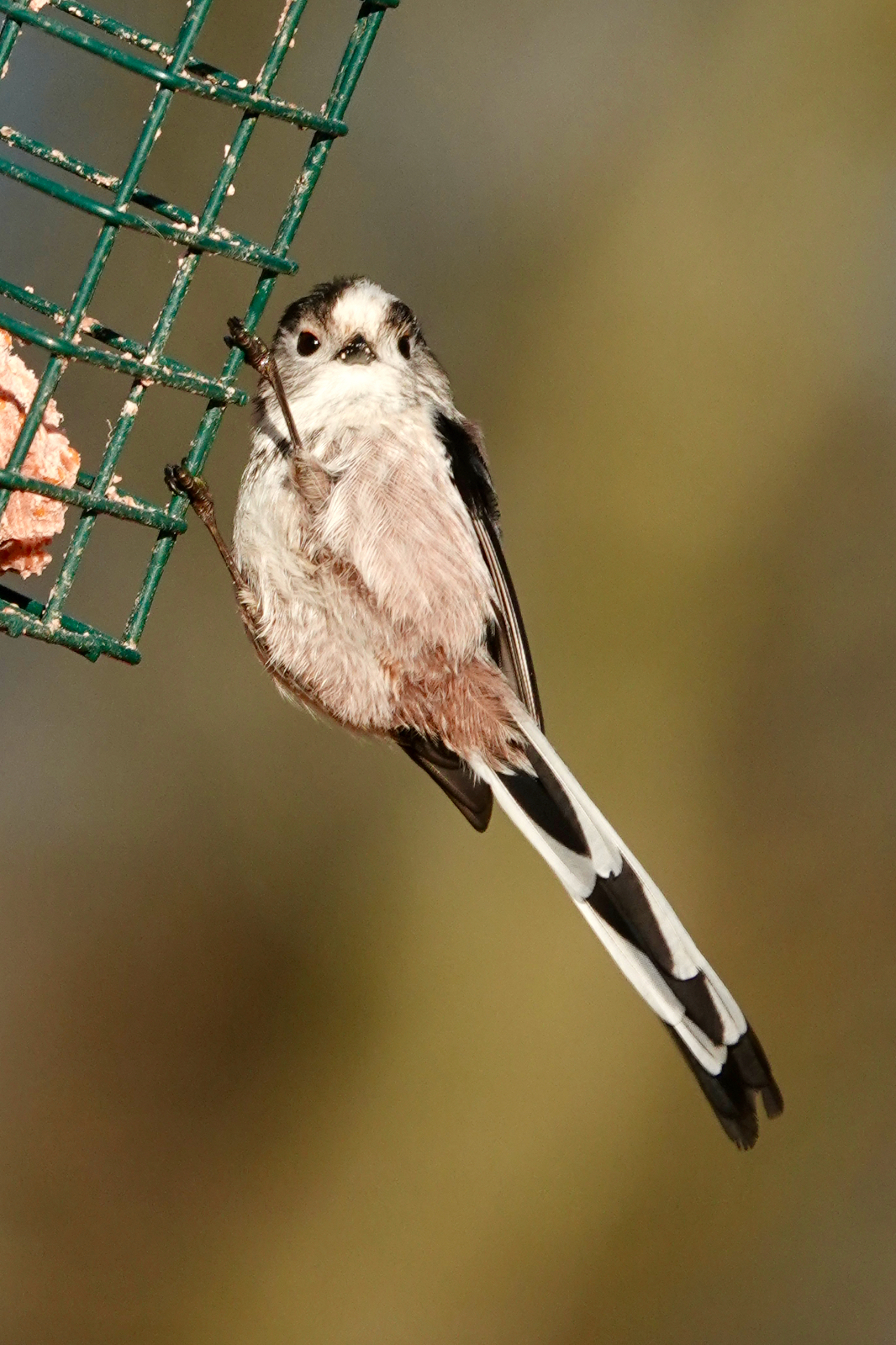
Long-tailed Tit

A tiny, fluffy garden bird with a ridiculously long tail, pinkish flanks, a black-and-white head and a thin peeping call. Long-tailed Tits move through scrub, hedges and gardens in small family parties, often arriving in a busy little flock that never seems to stay still for long.

Habitat:
See species page for habitat detail
Status:
See species page
Trend:
Stable
Why it matters:
Part of the wider North York Moors food web.

See the photo ID guide on the species page for field marks.

Species notes sourced from the RSPB, BTO and partner conservation organisations.

Open species page & photo ID
Birds

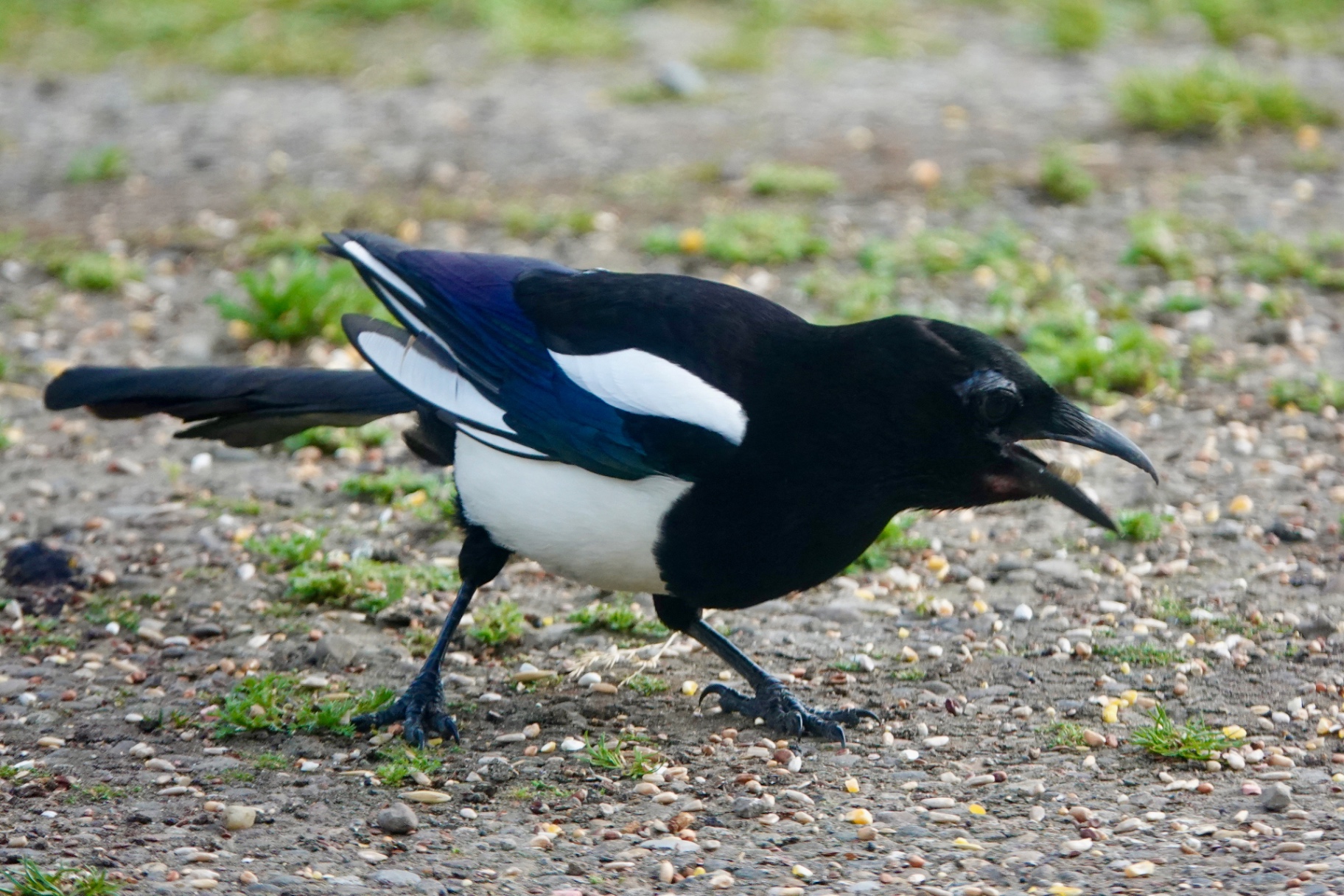
Magpie

A bold, unmistakable corvid - crisp black-and-white plumage with a long tail that flashes iridescent blue, green and purple in good light. Magpies are intelligent, sociable and curious, and you'll often hear their loud rattling chatter before you see them.

Habitat:
See species page for habitat detail
Status:
See species page
Trend:
Stable
Why it matters:
Part of the wider North York Moors food web.

See the photo ID guide on the species page for field marks.

Species notes sourced from the RSPB, BTO and partner conservation organisations.

Open species page & photo ID
Insects

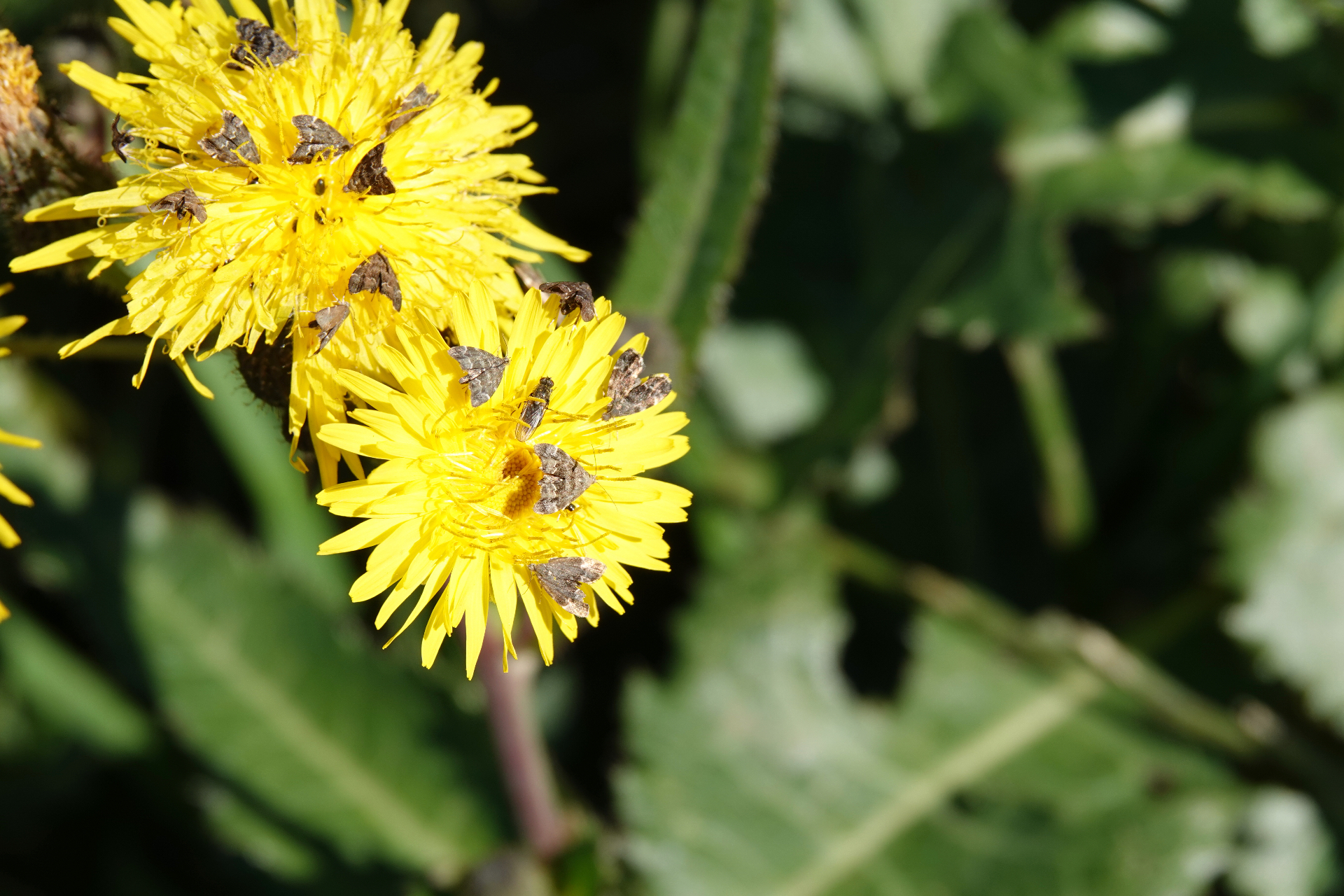
Micro-moths on Dandelions

A cluster of small day-flying micro-moths gathered on dandelion flowers, feeding on the abundant nectar and pollen. Dandelions are one of the most important early-season food plants for insects, supporting bees, hoverflies, beetles and moths.

Habitat:
See species page for habitat detail
Status:
See species page
Trend:
Stable
Why it matters:
Part of the wider North York Moors food web.

See the photo ID guide on the species page for field marks.

Species notes sourced from the RSPB, BTO and partner conservation organisations.

Open species page & photo ID
Birds

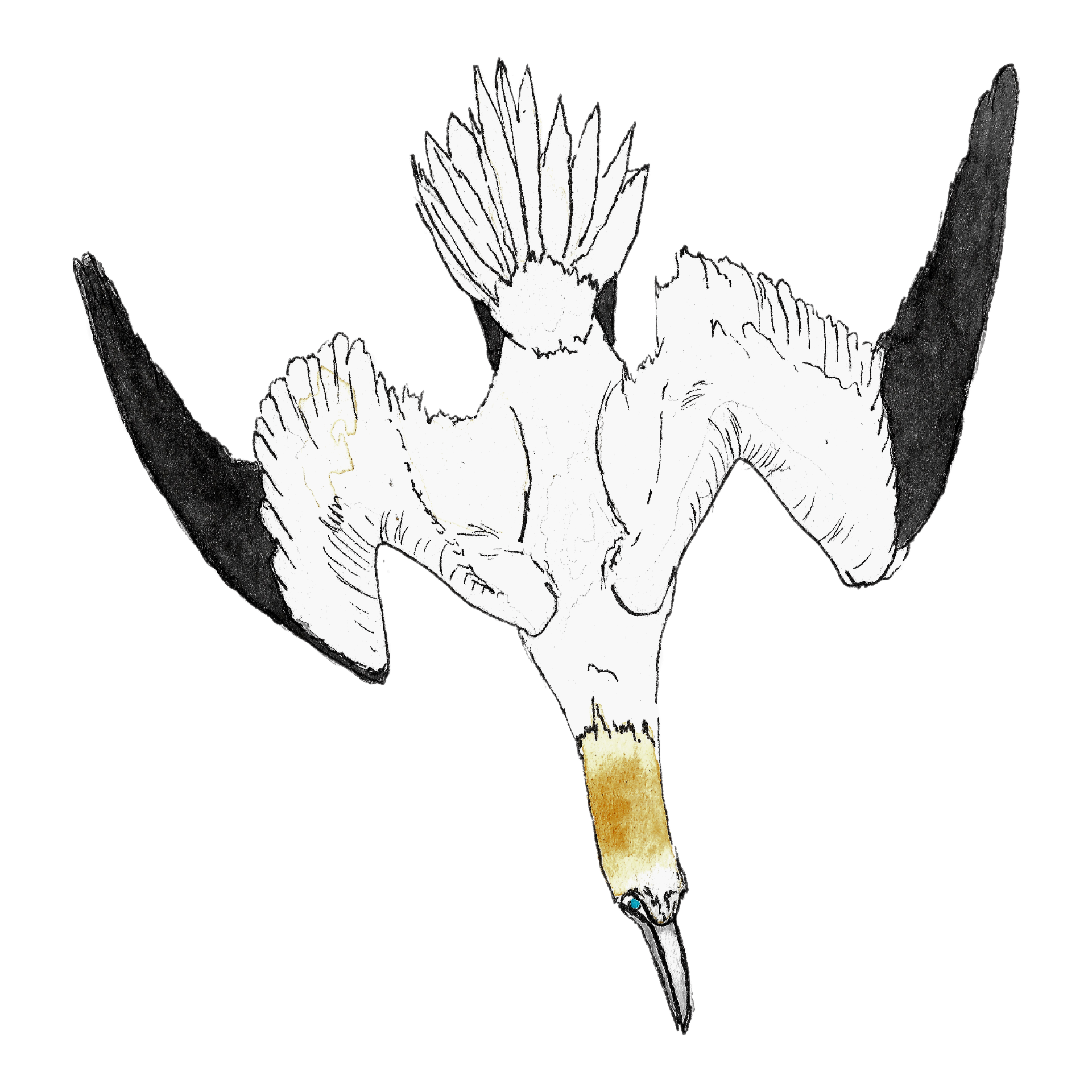
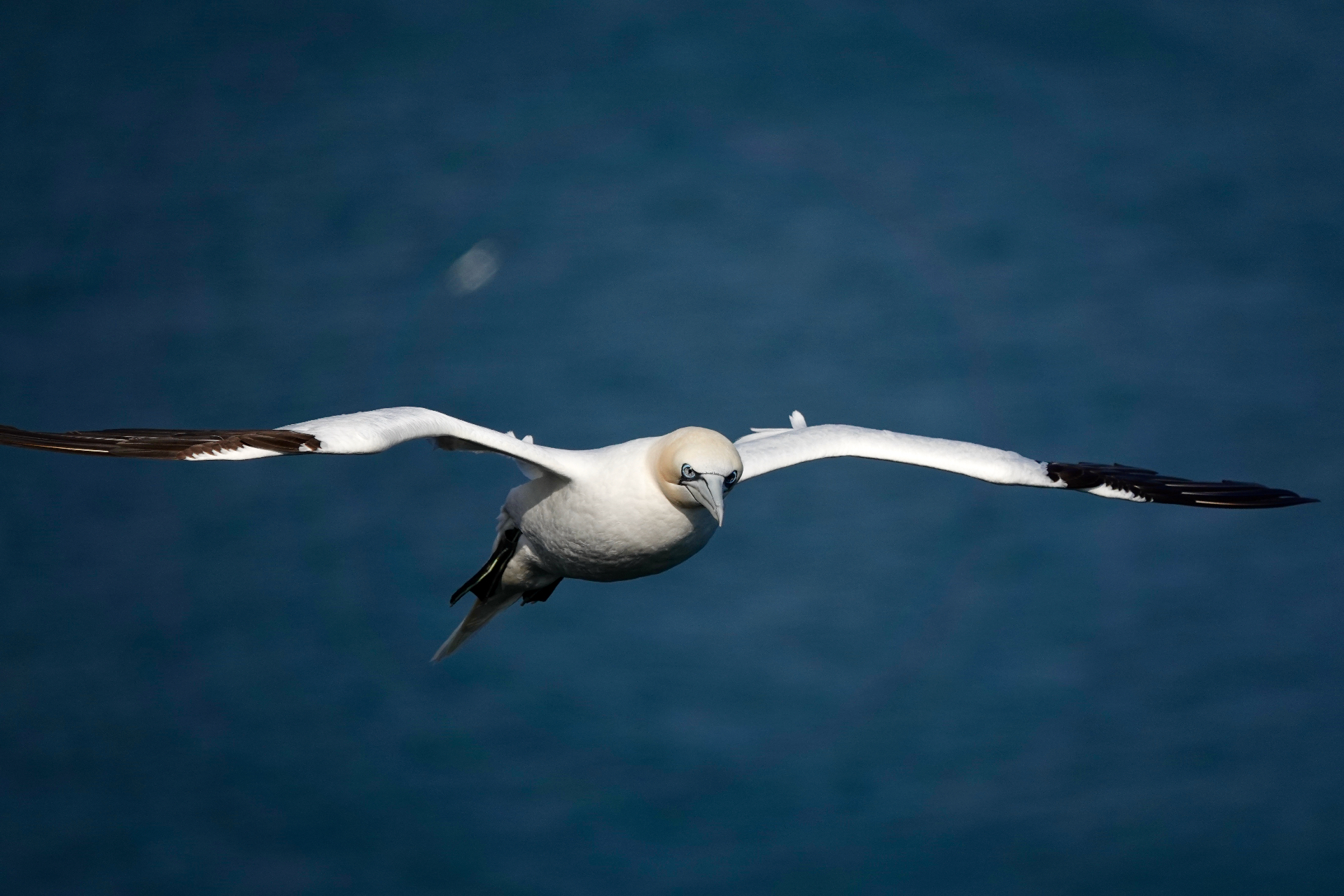
Northern Gannet

Britain's largest seabird - brilliant white with black wing-tips.

Habitat:
North Sea coasts and offshore waters
Status:
Amber listed (UK)
Trend:
Stable
Why it matters:
Plunge-diving predator of mackerel, herring and sand eels.

Gannets dive from 30 metres and hit the water at 60 mph.

Species notes sourced from the RSPB, BTO and partner conservation organisations.

Open species page & photo ID
Birds

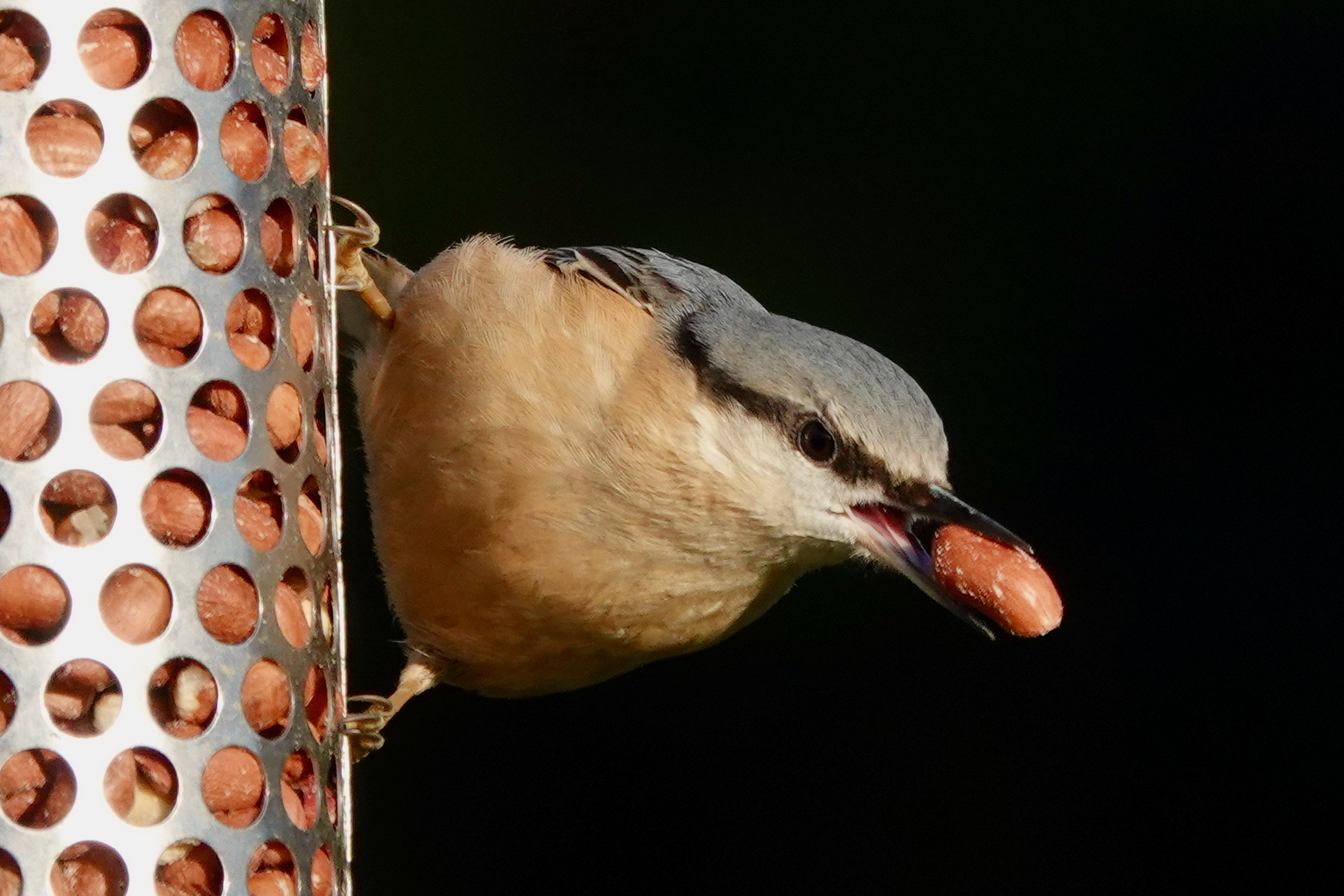
Nuthatch

The Nuthatch is a stocky, blue-grey bird with a long black eye-stripe, peachy-buff underparts and a powerful chisel-like beak. Famous for being the only UK bird that habitually walks head-first DOWN tree trunks, it has a loud ringing call that carries through woodland.

Habitat:
See species page for habitat detail
Status:
See species page
Trend:
Stable
Why it matters:
Part of the wider North York Moors food web.

See the photo ID guide on the species page for field marks.

Species notes sourced from the RSPB, BTO and partner conservation organisations.

Open species page & photo ID
Birds

Osprey

A magnificent fish-eating raptor that plunges feet-first into water.

Habitat:
Lakes, rivers and estuaries
Status:
Amber listed (UK)
Trend:
Recovering
Why it matters:
Top predator that signals healthy fish stocks and clean waters.

Ospreys migrate to West Africa each autumn and return to the same nest each spring.

Species notes sourced from the RSPB, BTO and partner conservation organisations.

Birds

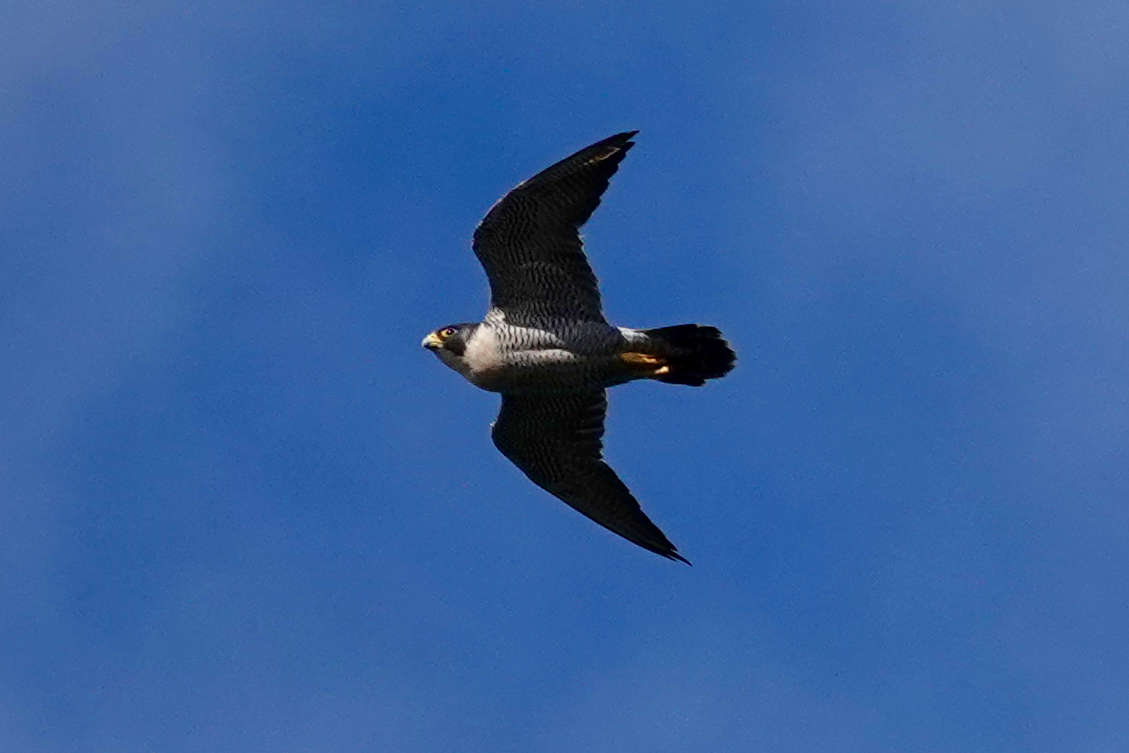
Peregrine Falcon

The Peregrine Falcon is the world's fastest animal, reaching over 200mph in a hunting stoop. Blue-grey above with a barred white underside and a bold black 'moustache' below the eye, it is a powerful, broad-shouldered falcon of cliffs, quarries and increasingly city centres.

Habitat:
See species page for habitat detail
Status:
See species page
Trend:
Stable
Why it matters:
Part of the wider North York Moors food web.

See the photo ID guide on the species page for field marks.

Species notes sourced from the RSPB, BTO and partner conservation organisations.

Open species page & photo ID
Birds

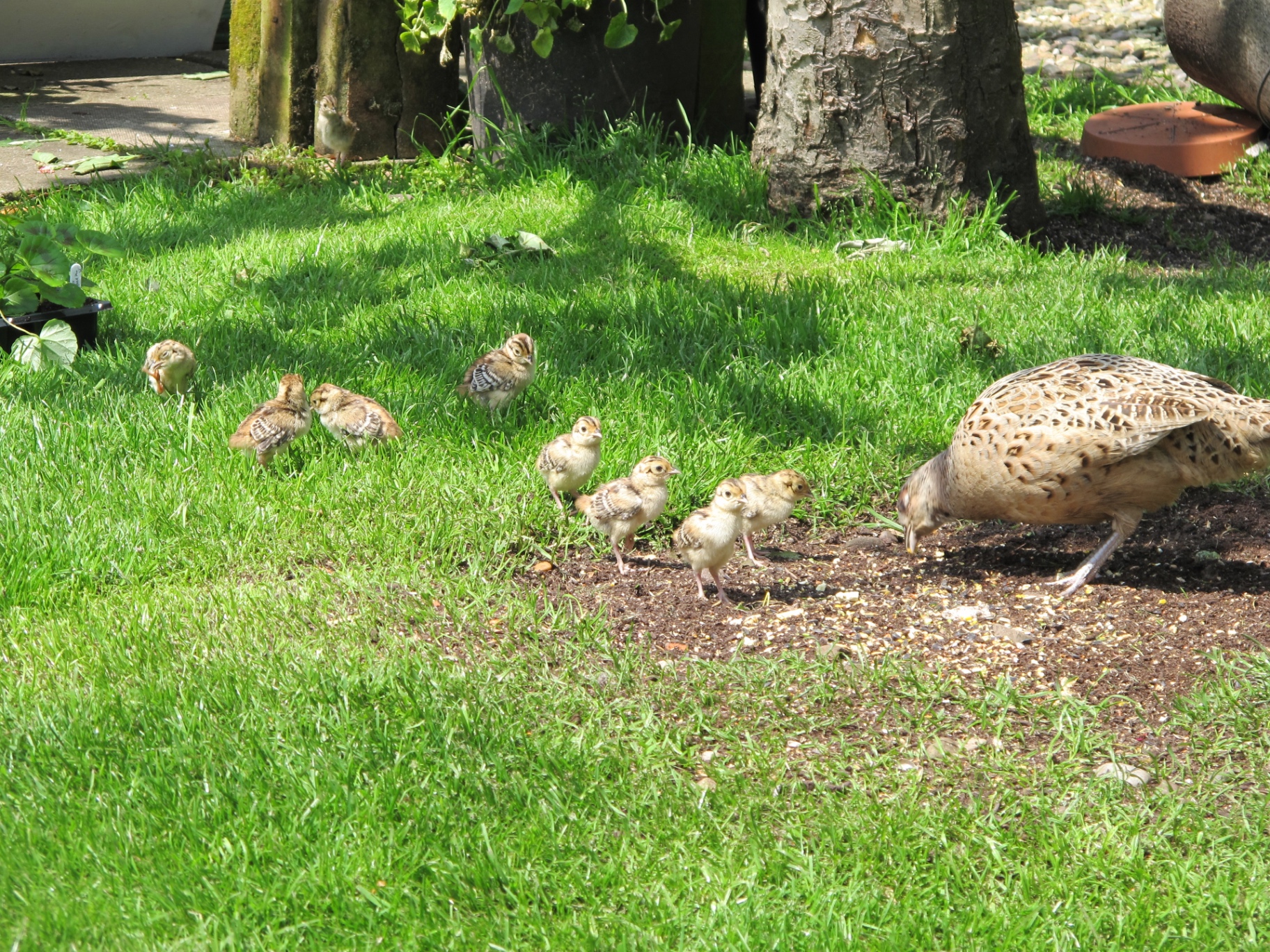
Pheasant

A long-tailed gamebird, the males iridescent copper and bottle-green.

Habitat:
Farmland, woodland edge and rough cover
Status:
Naturalised (UK)
Trend:
Stable
Why it matters:
Ground-feeder eating seeds, shoots and invertebrates.

Pheasants were brought to Britain by the Romans nearly 2,000 years ago.

Species notes sourced from the RSPB, BTO and partner conservation organisations.

Open species page & photo ID
Birds

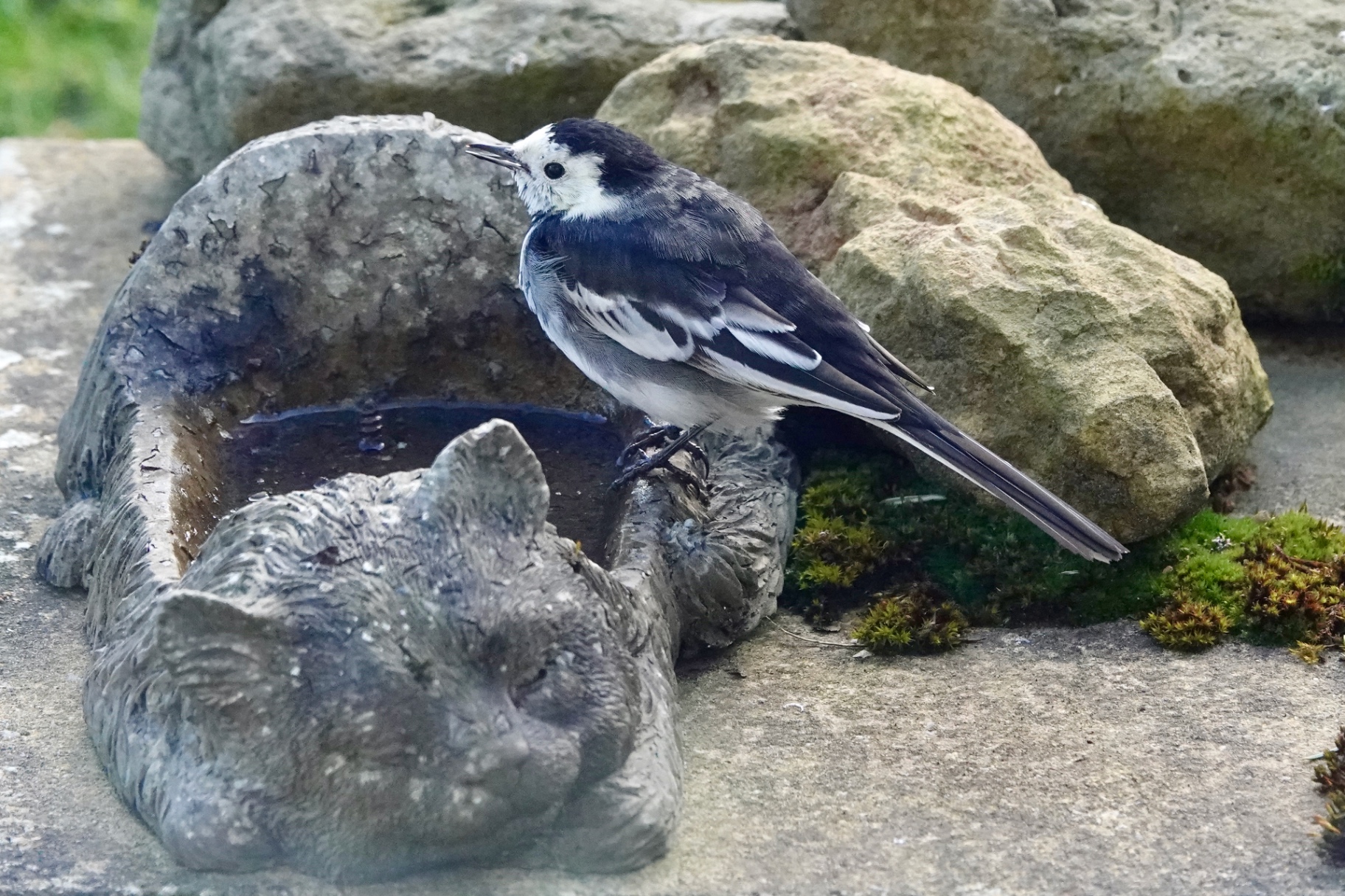
Pied Wagtail

A small, lively black-and-white bird with a long tail that pumps constantly up and down. Often seen running across lawns, car parks and pavements chasing flies. The British race (yarrellii) is darker than the Continental White Wagtail, with a black back in summer males.

Habitat:
See species page for habitat detail
Status:
See species page
Trend:
Stable
Why it matters:
Part of the wider North York Moors food web.

See the photo ID guide on the species page for field marks.

Species notes sourced from the RSPB, BTO and partner conservation organisations.

Open species page & photo ID
Mammals

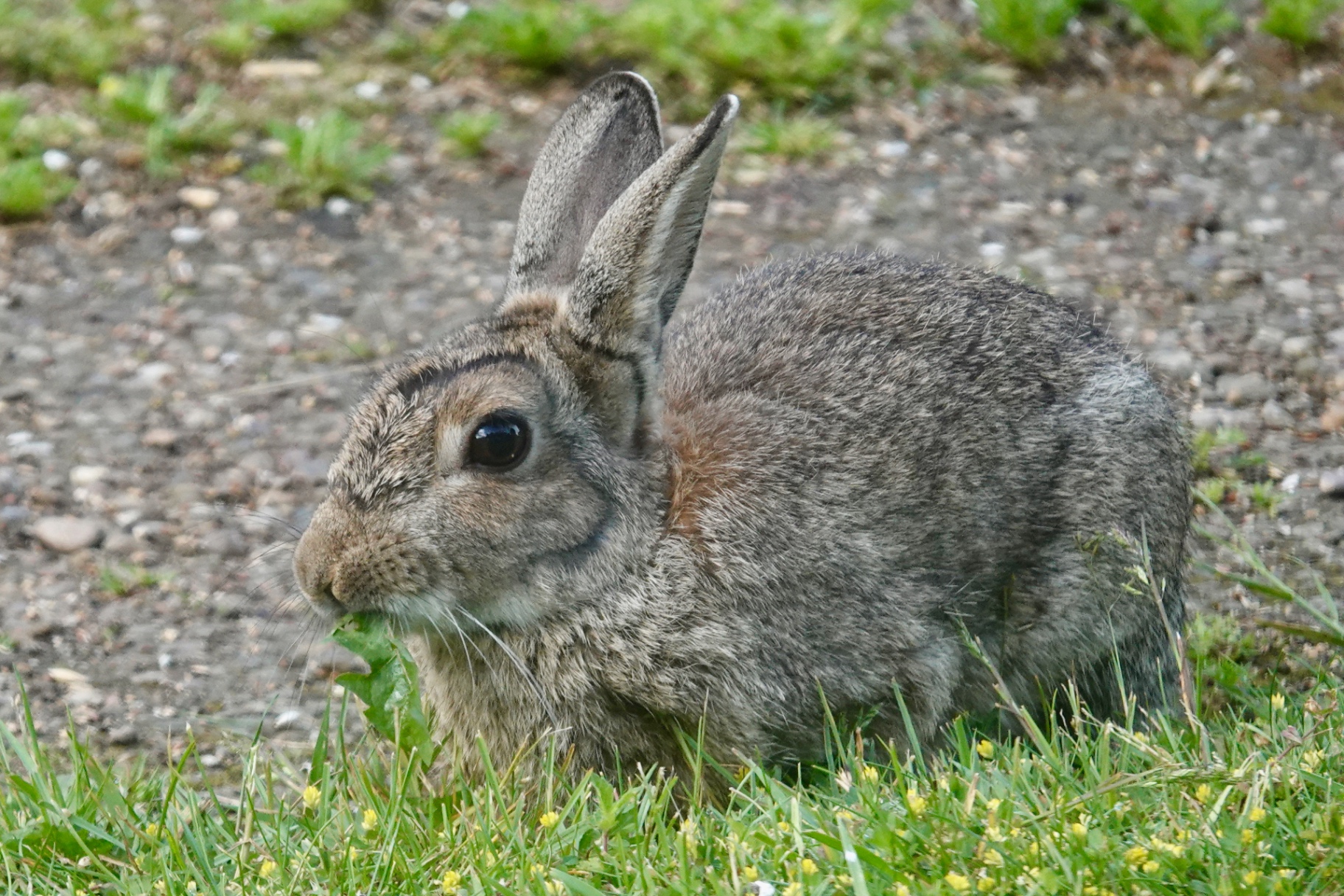
Rabbit

A small grazing mammal whose burrows shape grassland habitats.

Habitat:
Grassland, dunes, scrub and field edges
Status:
Least Concern (UK)
Trend:
Declining
Why it matters:
Grazer and prey species supporting foxes, stoats, buzzards and owls.

Rabbit grazing creates the short turf that rare wildflowers and butterflies depend on.

Species notes sourced from the RSPB, BTO and partner conservation organisations.

Open species page & photo ID
Insects

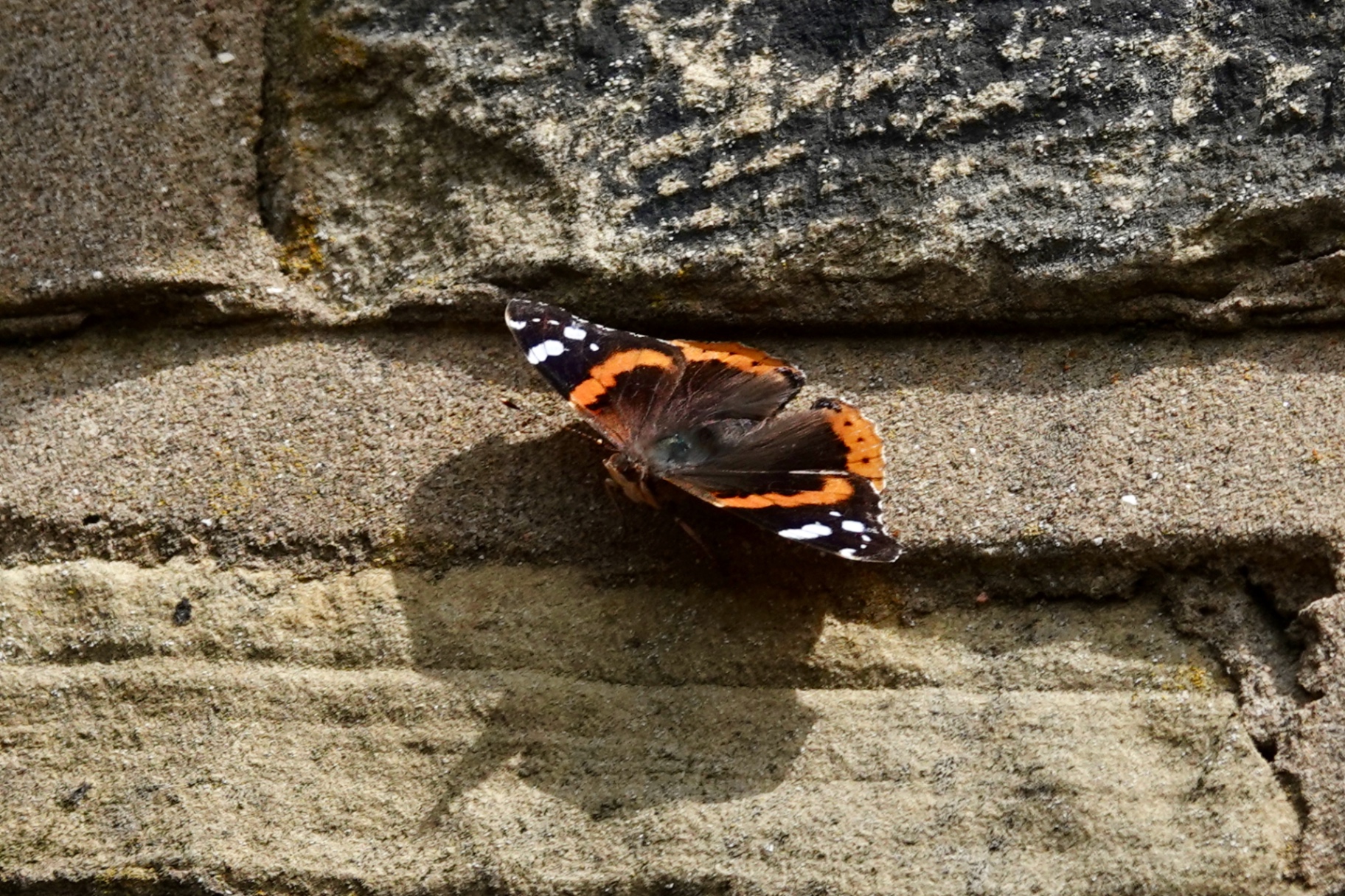
Red Admiral Butterfly

One of the most striking and instantly recognisable UK butterflies - velvety black wings crossed by bold scarlet-orange bands and finished with white spots at the wing tips. Once mainly a summer migrant from southern Europe, Red Admirals are now increasingly overwintering in the UK as our climate warms, and can be seen on the wing from early spring right through to late autumn.

Habitat:
See species page for habitat detail
Status:
See species page
Trend:
Stable
Why it matters:
Part of the wider North York Moors food web.

See the photo ID guide on the species page for field marks.

Species notes sourced from the RSPB, BTO and partner conservation organisations.

Open species page & photo ID
Mammals

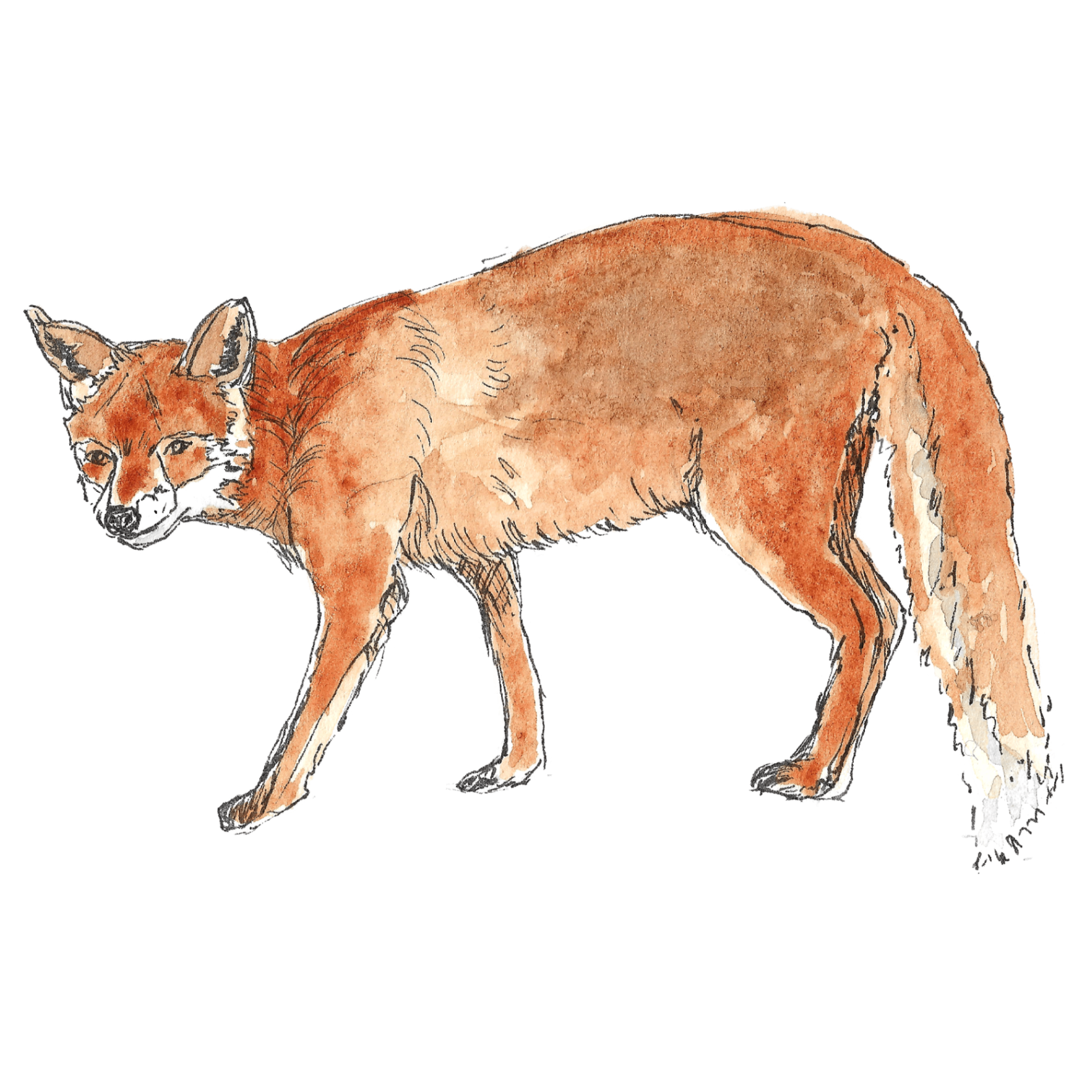
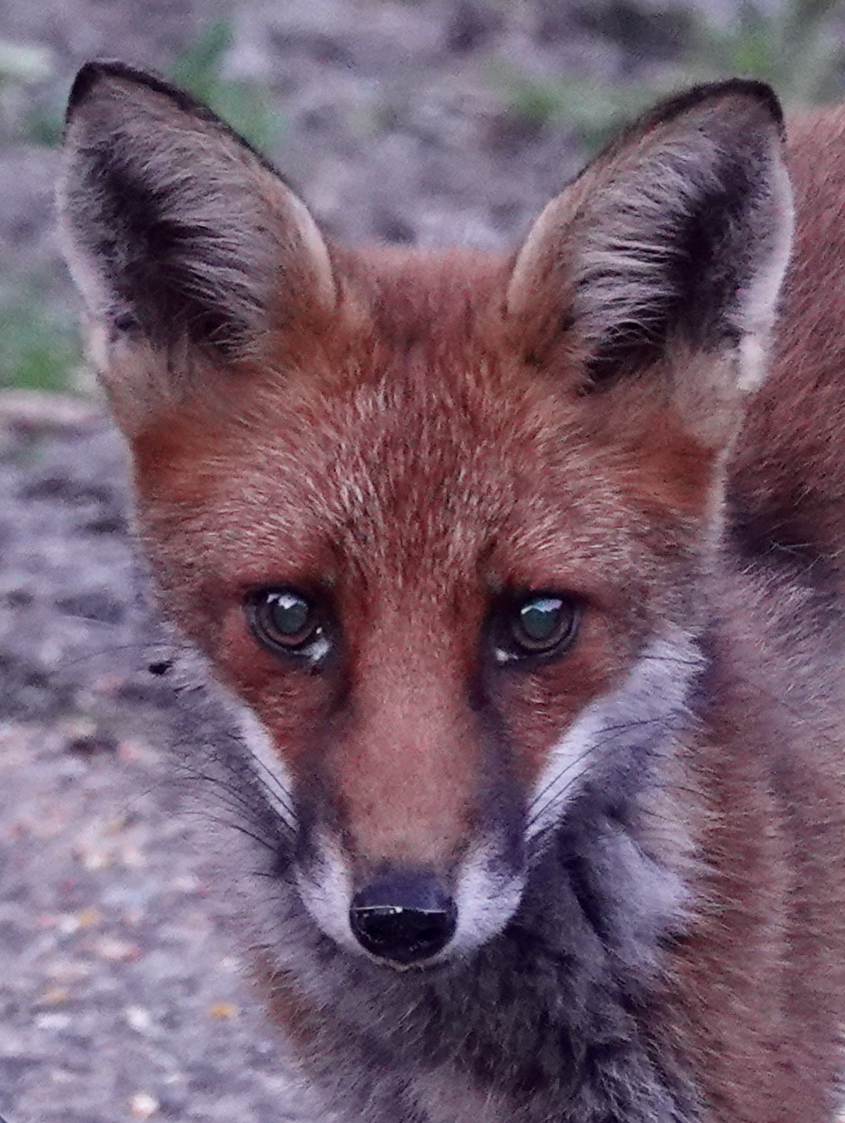
Red Fox

The UK's most familiar wild predator - clever, adaptable and beautiful.

Habitat:
Everywhere from moors to city streets
Status:
Least Concern (UK)
Trend:
Stable
Why it matters:
Controls rodent populations and scavenges in town and country alike.

A fox can hear a mouse squeak 100 metres away.

Species notes sourced from the RSPB, BTO and partner conservation organisations.

Open species page & photo ID
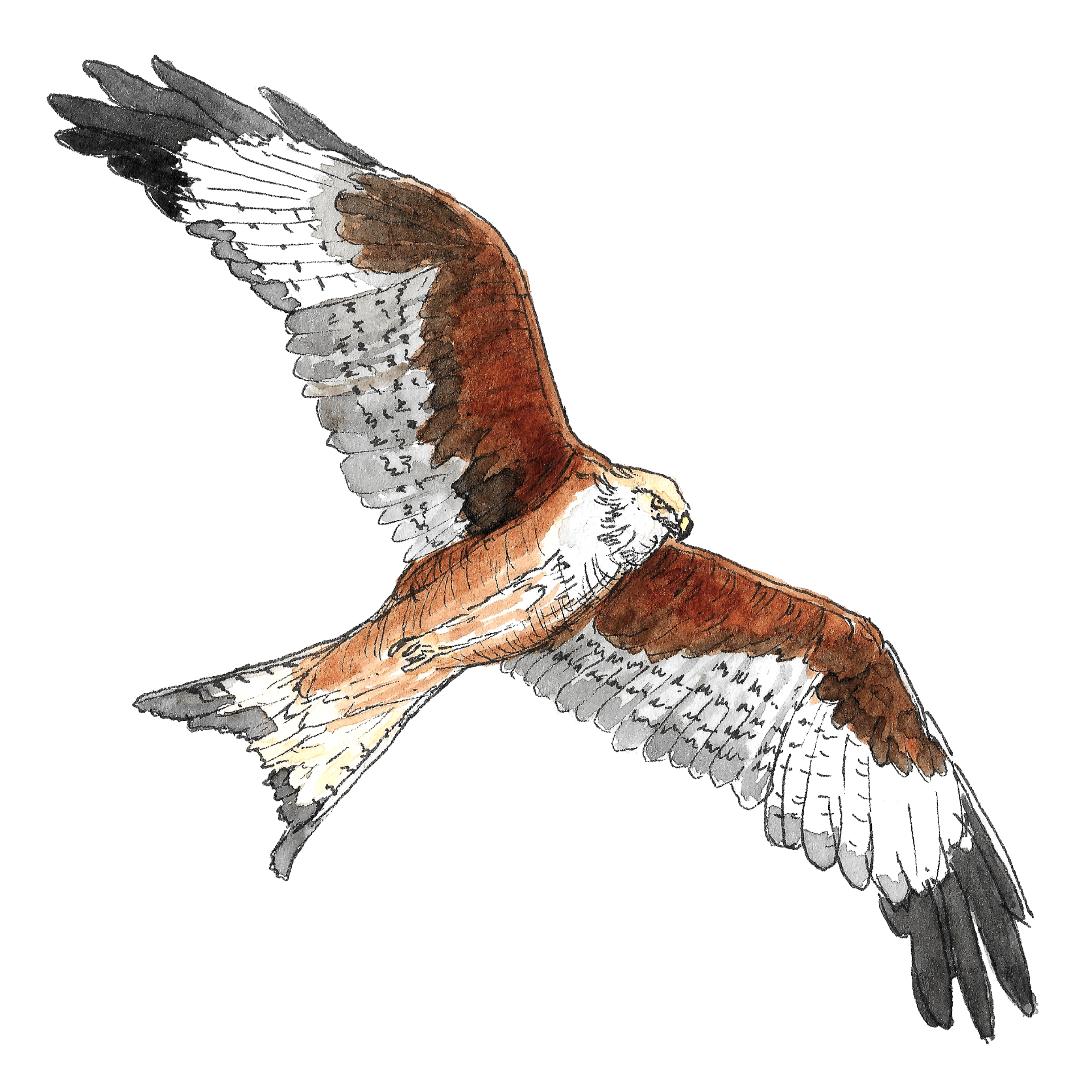
Watercolour illustration of a red kite in flight

Birds

Red Kite

A graceful raptor with a forked tail and a 1.8m wingspan.

Habitat:
Open countryside with woodland
Status:
Green listed (UK)
Trend:
Recovering
Why it matters:
Scavenger - keeps the countryside clean of carrion.

By 1989 only a handful of pairs survived in Wales. Reintroduction has been one of the UK's great conservation success stories.

Species notes sourced from the RSPB, BTO and partner conservation organisations.

Open species page
Birds

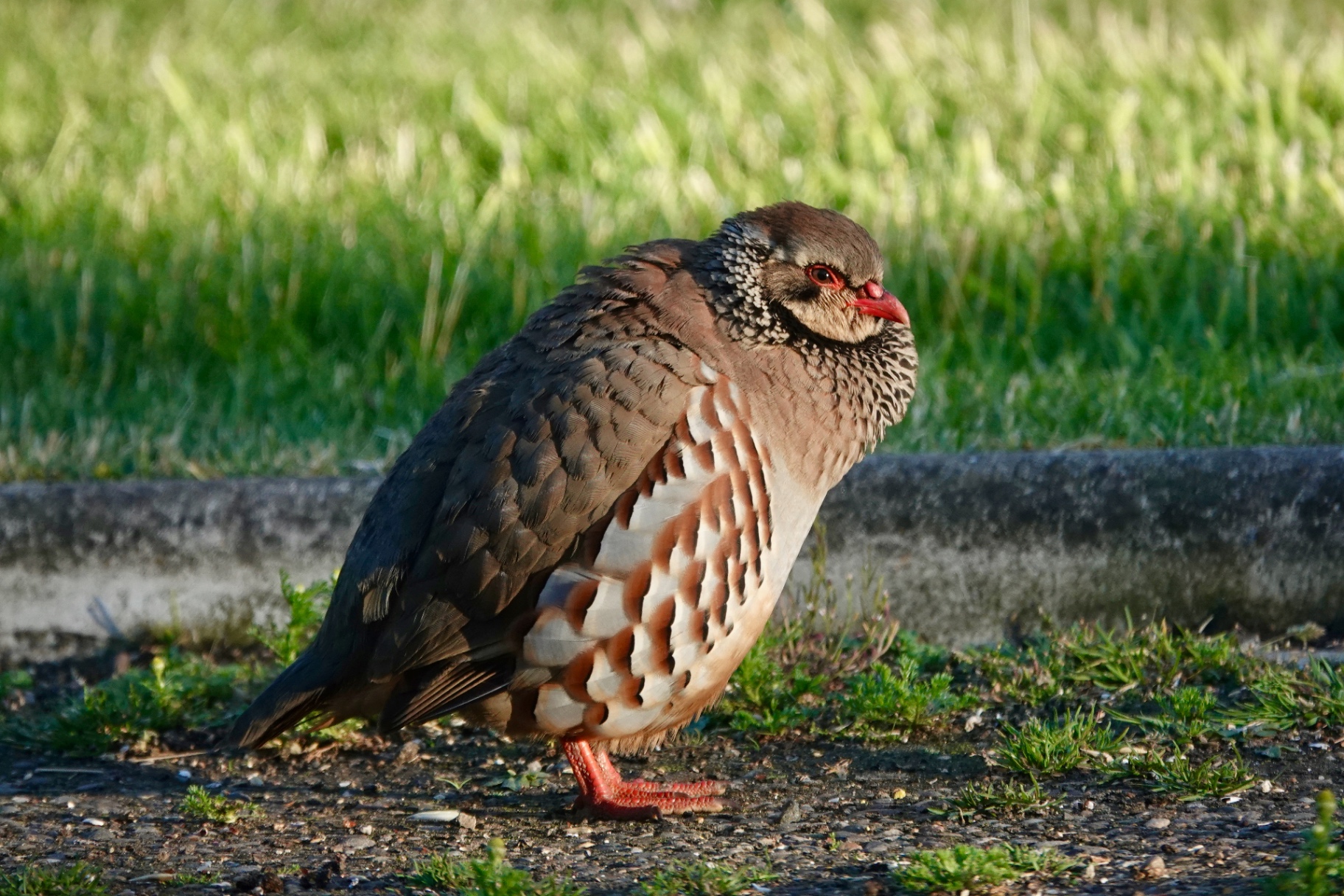
Red-legged Partridge

A plump, round gamebird with a distinctive white throat bordered by a bold black necklace that breaks into fine streaks down the breast, bright red beak and red legs, and beautifully barred flanks in chestnut, black and white. Introduced from continental Europe in the 18th century, the Red-legged (or 'French') Partridge is now widespread across farmland, field margins and even gardens across much of England.

Habitat:
See species page for habitat detail
Status:
See species page
Trend:
Stable
Why it matters:
Part of the wider North York Moors food web.

See the photo ID guide on the species page for field marks.

Species notes sourced from the RSPB, BTO and partner conservation organisations.

Open species page & photo ID
Birds

Redpoll

A tiny, streaky finch with a neat conical bill and a small red patch on the forehead, Redpolls are restless winter visitors that often arrive in feeding flocks. They favour birch, alder and weedy ground, and in some years they pour south in much larger numbers when northern seed crops fail.

Habitat:
See species page for habitat detail
Status:
See species page
Trend:
Stable
Why it matters:
Part of the wider North York Moors food web.

See the photo ID guide on the species page for field marks.

Species notes sourced from the RSPB, BTO and partner conservation organisations.

Open species page & photo ID
Birds

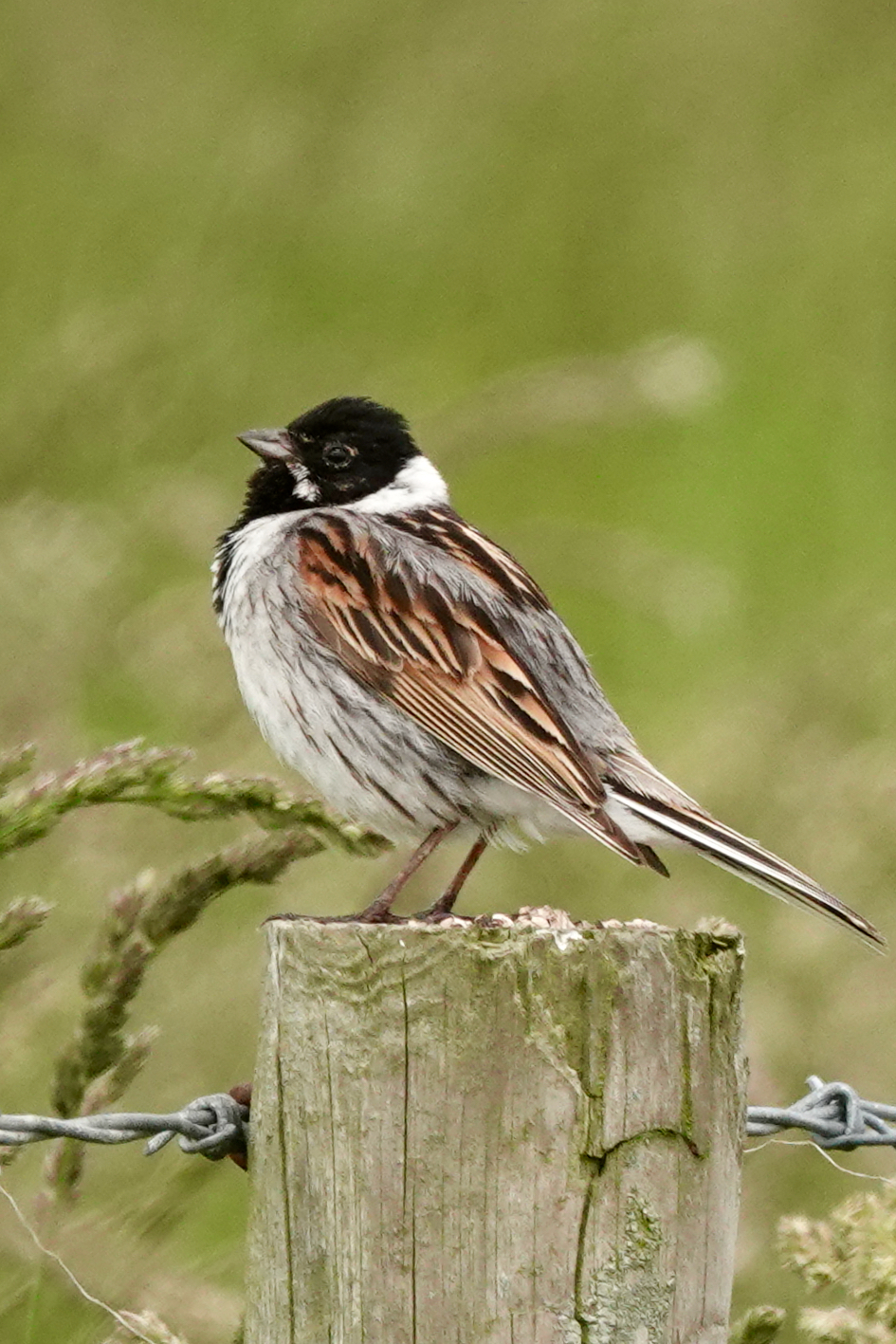
Reed Bunting

A sparrow-sized bunting of reedbeds, wet grassland and rough field edges. The breeding male is unmistakable - jet black head and throat with a bright white collar and 'moustache', set against streaky brown upperparts.

Habitat:
See species page for habitat detail
Status:
See species page
Trend:
Stable
Why it matters:
Part of the wider North York Moors food web.

See the photo ID guide on the species page for field marks.

Species notes sourced from the RSPB, BTO and partner conservation organisations.

Open species page & photo ID
Birds

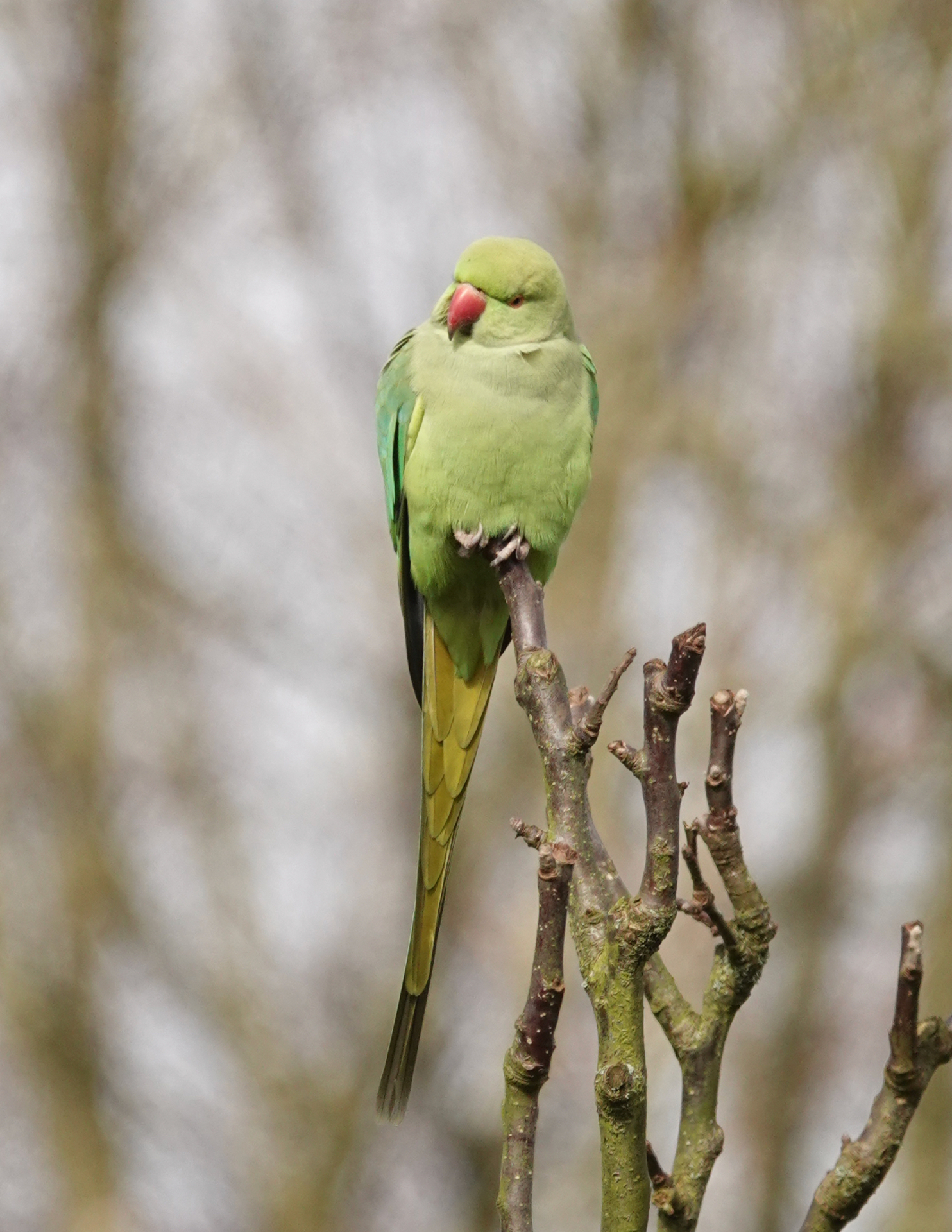
Ring-necked Parakeet

The Ring-necked (or Rose-ringed) Parakeet is a bright lime-green parrot with a long tapering tail, a hooked red beak and - in adult males - a black-and-pink ring around the neck. Once an escaped cage bird, it has now established large feral populations across the UK, especially in the south-east.

Habitat:
See species page for habitat detail
Status:
See species page
Trend:
Stable
Why it matters:
Part of the wider North York Moors food web.

See the photo ID guide on the species page for field marks.

Species notes sourced from the RSPB, BTO and partner conservation organisations.

Open species page & photo ID
Birds

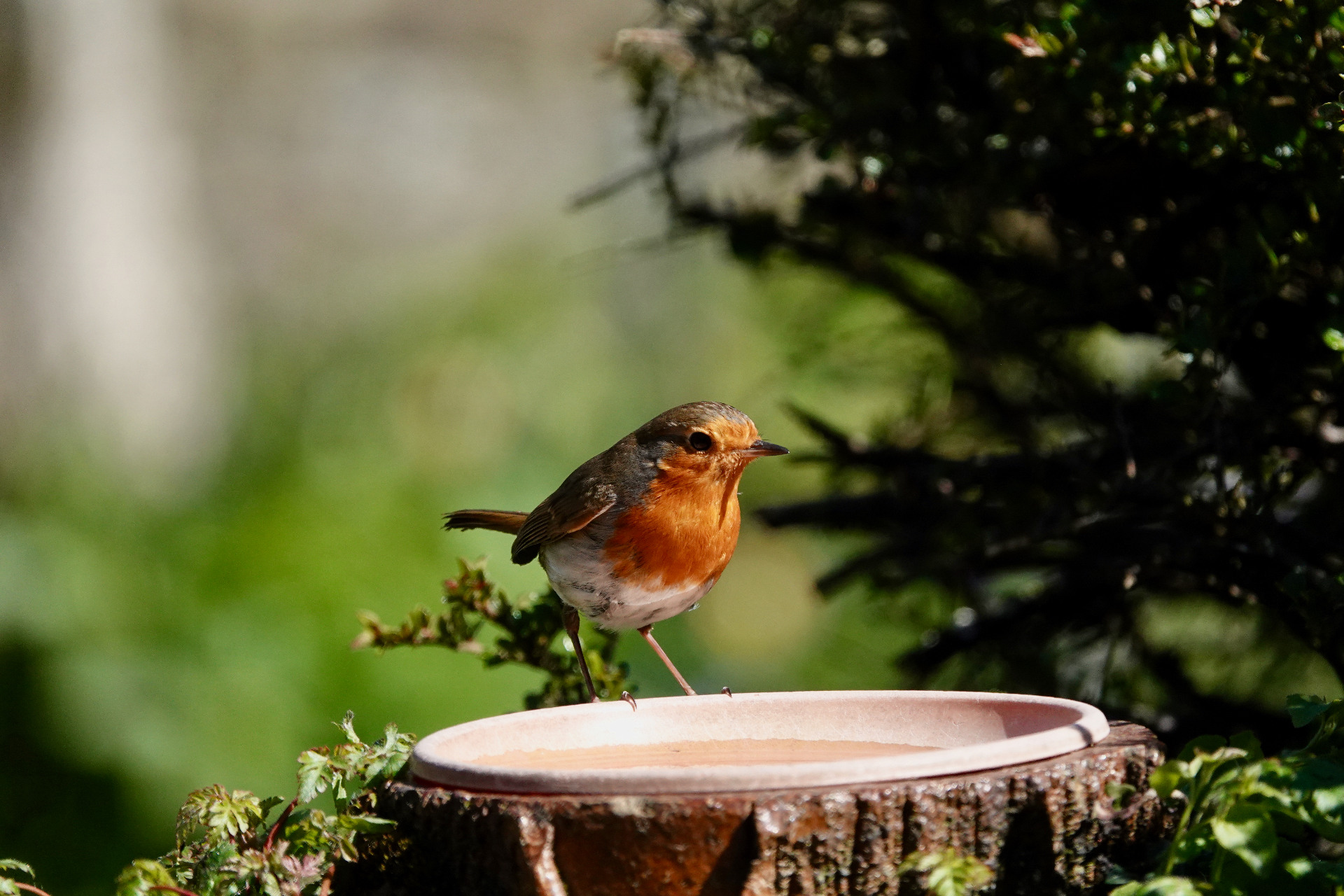
Robin

Britain's much-loved garden companion - bold, curious and territorial.

Habitat:
Gardens, woodland and hedgerows
Status:
Green listed (UK)
Trend:
Stable
Why it matters:
Insectivore and seed disperser.

Robins sing all year round - one of the very few British birds to do so.

Species notes sourced from the RSPB, BTO and partner conservation organisations.

Open species page & photo ID
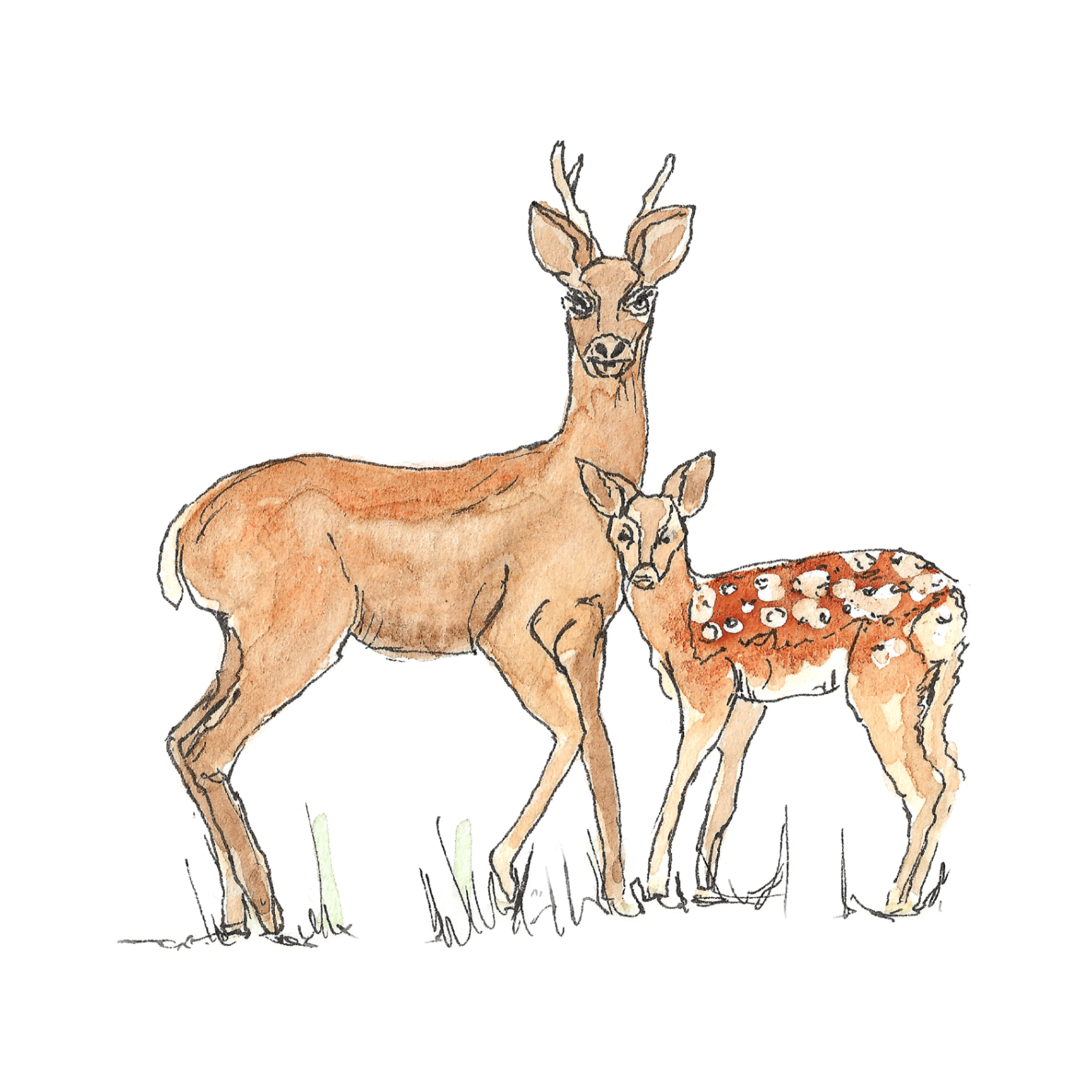
Watercolour illustration of a roe deer

Mammals

Roe Deer

A small, elegant native deer with a white rump patch.

Habitat:
Woodland, farmland and moor fringes
Status:
Least Concern (UK)
Trend:
Stable
Why it matters:
Browser that shapes woodland edges and regeneration.

Roe deer were once extinct in southern England - they have since recolonised naturally.

Species notes sourced from the RSPB, BTO and partner conservation organisations.

Open species page
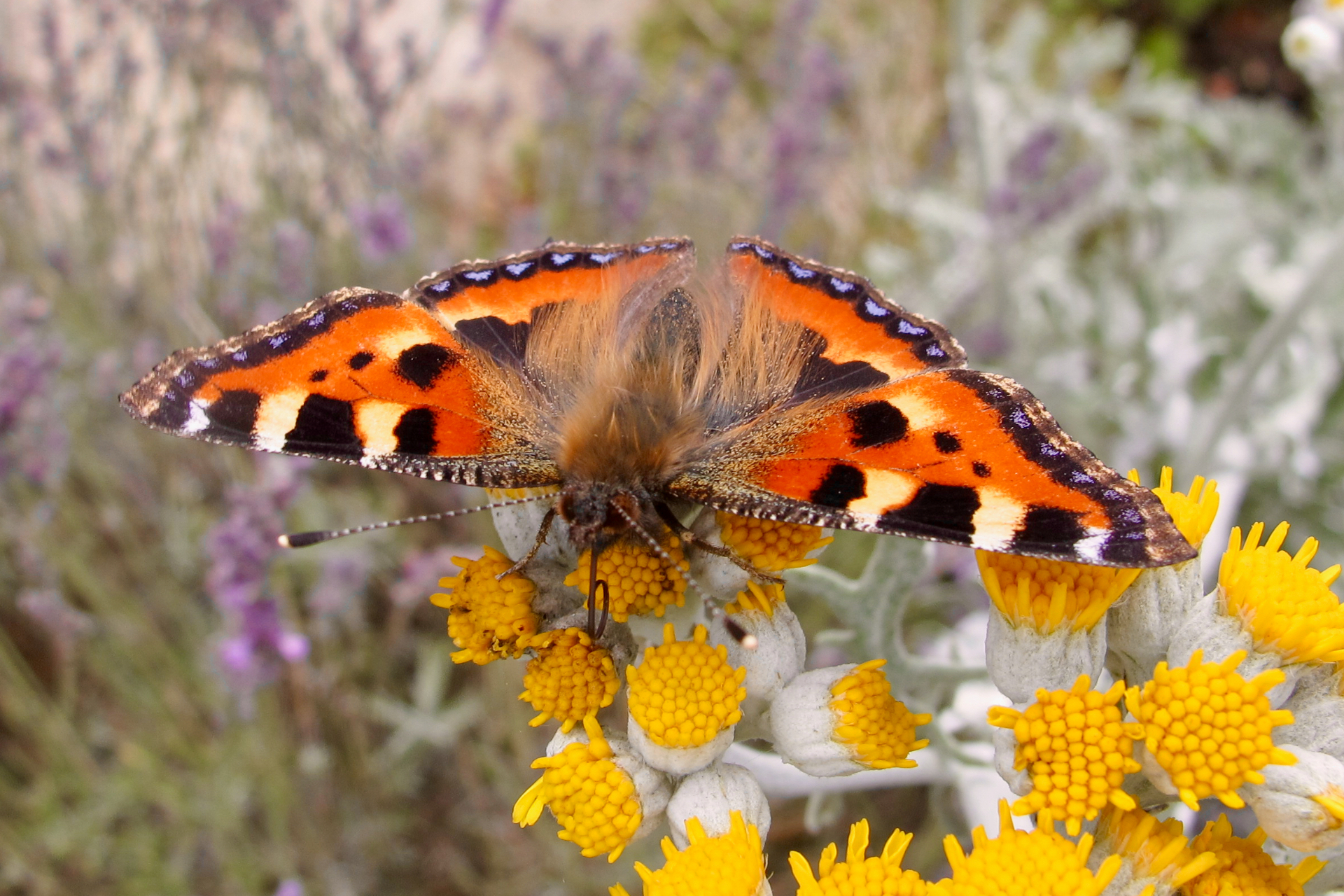
Insects

Small Tortoiseshell Butterfly

One of Britain's best-known butterflies - bright orange wings edged in black with a striking row of electric-blue crescents around the border. Once one of our most abundant garden butterflies, numbers have fallen sharply in the south since the 1990s, though it remains a common sight in northern gardens with plenty of nectar-rich flowers.

Habitat:
See species page for habitat detail
Status:
See species page
Trend:
Stable
Why it matters:
Part of the wider North York Moors food web.

See the photo ID guide on the species page for field marks.

Species notes sourced from the RSPB, BTO and partner conservation organisations.

Open species page & photo ID
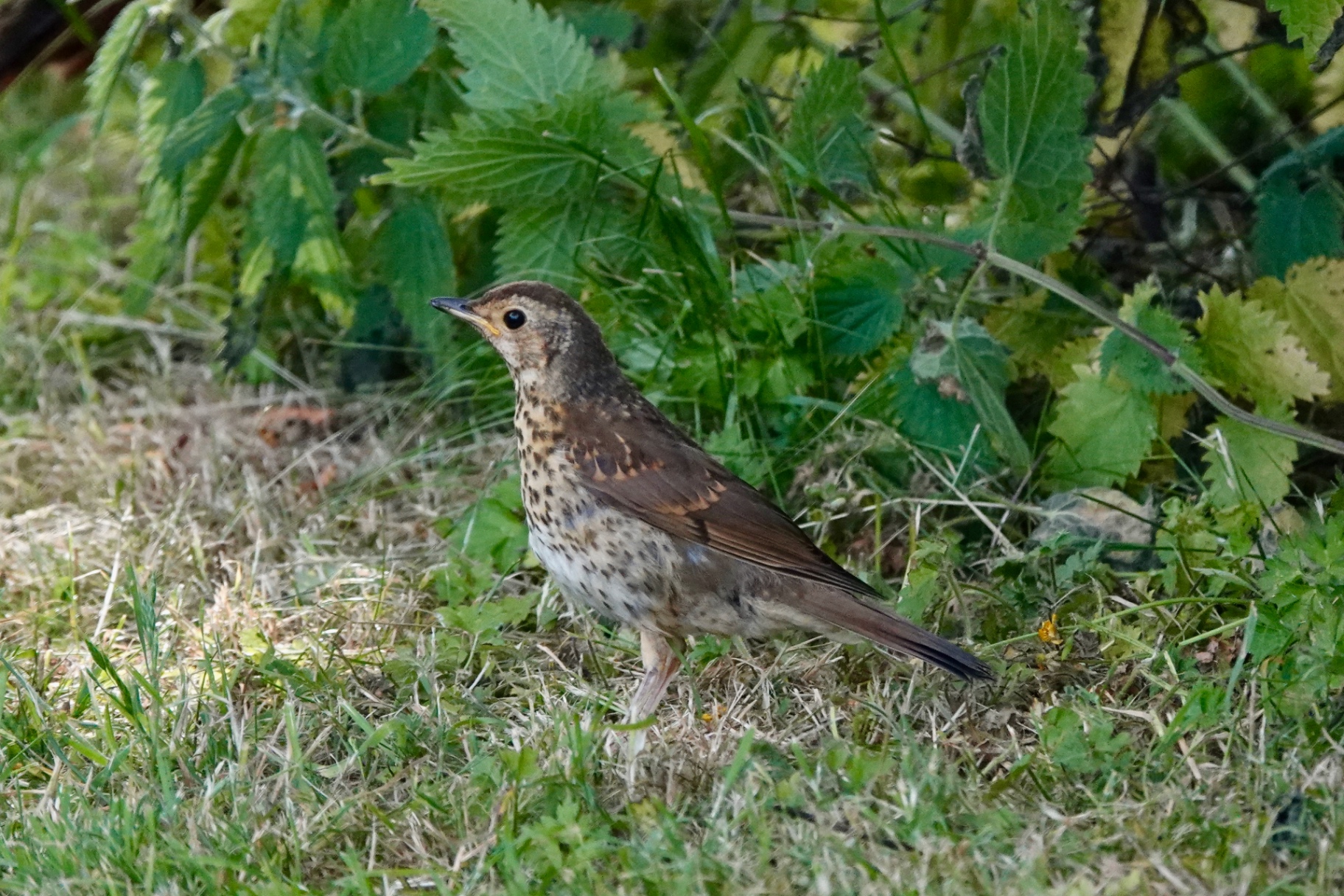
Birds

Song Thrush

The Song Thrush is a much-loved garden bird famous for its rich, repeated song - each phrase delivered two or three times over. Smaller and warmer brown than the Mistle Thrush, with neat black arrow-shaped spots on a creamy-buff breast. Numbers have declined sharply in recent decades, so every Song Thrush in the garden matters. They are well-known for using a favourite stone as an 'anvil' to smash open snail shells.

Habitat:
See species page for habitat detail
Status:
See species page
Trend:
Stable
Why it matters:
Part of the wider North York Moors food web.

See the photo ID guide on the species page for field marks.

Species notes sourced from the RSPB, BTO and partner conservation organisations.

Open species page & photo ID
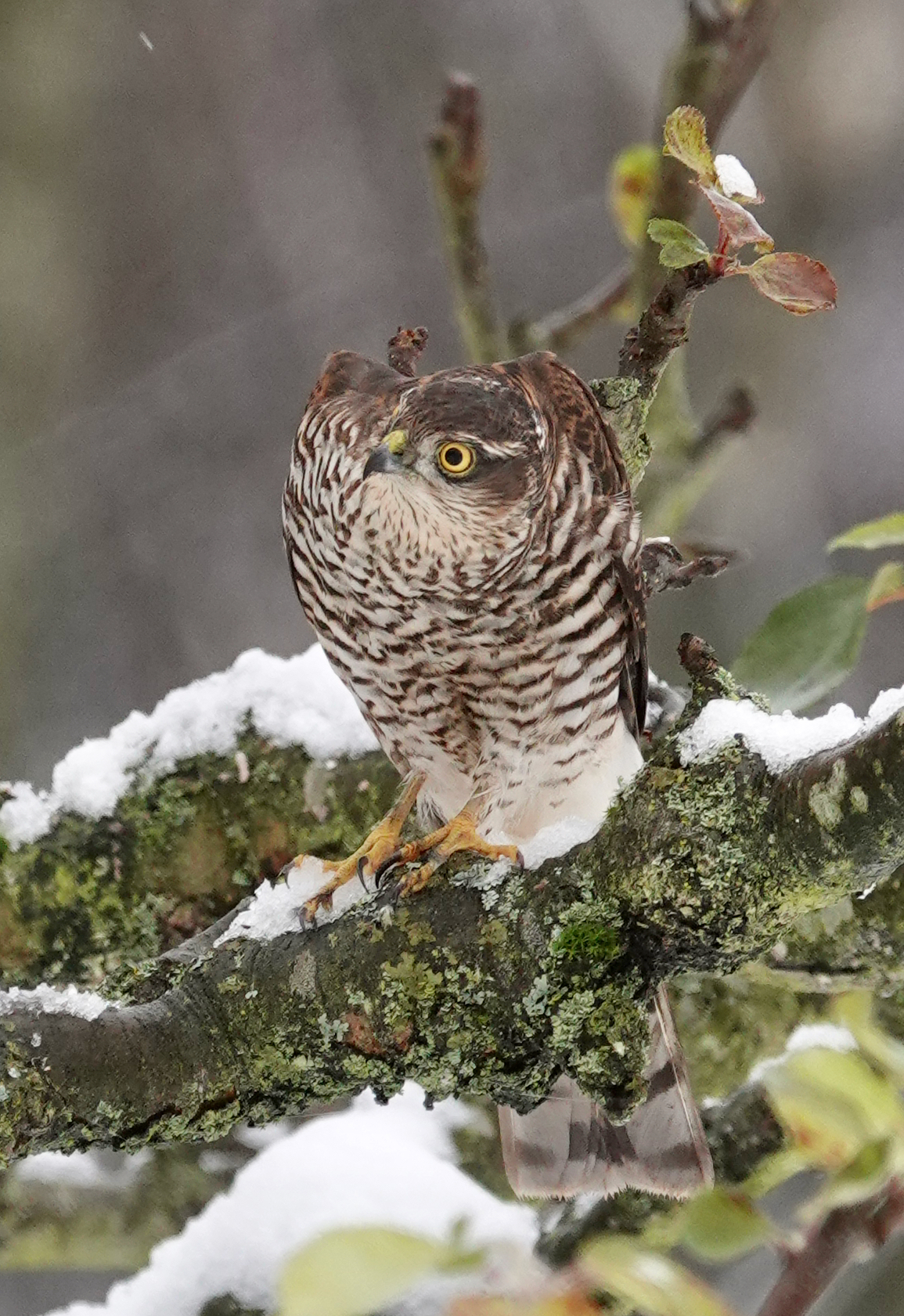
Birds

Sparrowhawk

A small, dashing bird of prey of woods, farmland and gardens. Short rounded wings and a long tail let it twist through trees at speed in pursuit of small birds. Females are noticeably bigger than males, with brown upperparts and barred grey-brown underparts; males are slate-grey above with rusty-orange barring below.

Habitat:
See species page for habitat detail
Status:
See species page
Trend:
Stable
Why it matters:
Part of the wider North York Moors food web.

See the photo ID guide on the species page for field marks.

Species notes sourced from the RSPB, BTO and partner conservation organisations.

Open species page & photo ID
Birds

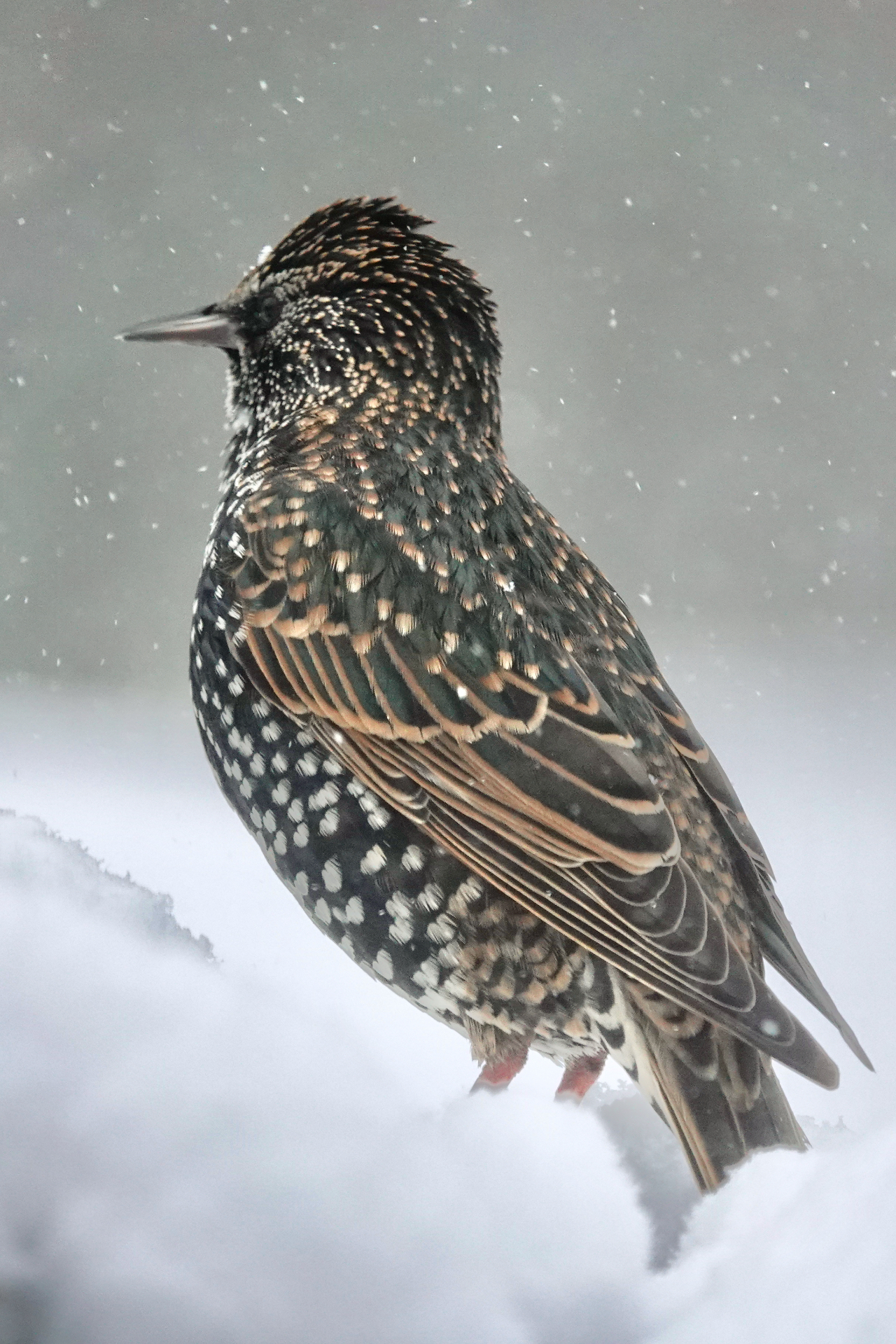
Starling

Glossy, noisy and highly social, the Starling is one of the UK's most familiar birds. In good light the dark plumage shines with green and purple iridescence, while winter birds are heavily speckled with pale spots. They stride across lawns probing for leatherjackets, gather in chattering flocks and raise fast-growing broods in holes and nest boxes.

Habitat:
See species page for habitat detail
Status:
See species page
Trend:
Stable
Why it matters:
Part of the wider North York Moors food web.

See the photo ID guide on the species page for field marks.

Species notes sourced from the RSPB, BTO and partner conservation organisations.

Open species page & photo ID
Farm

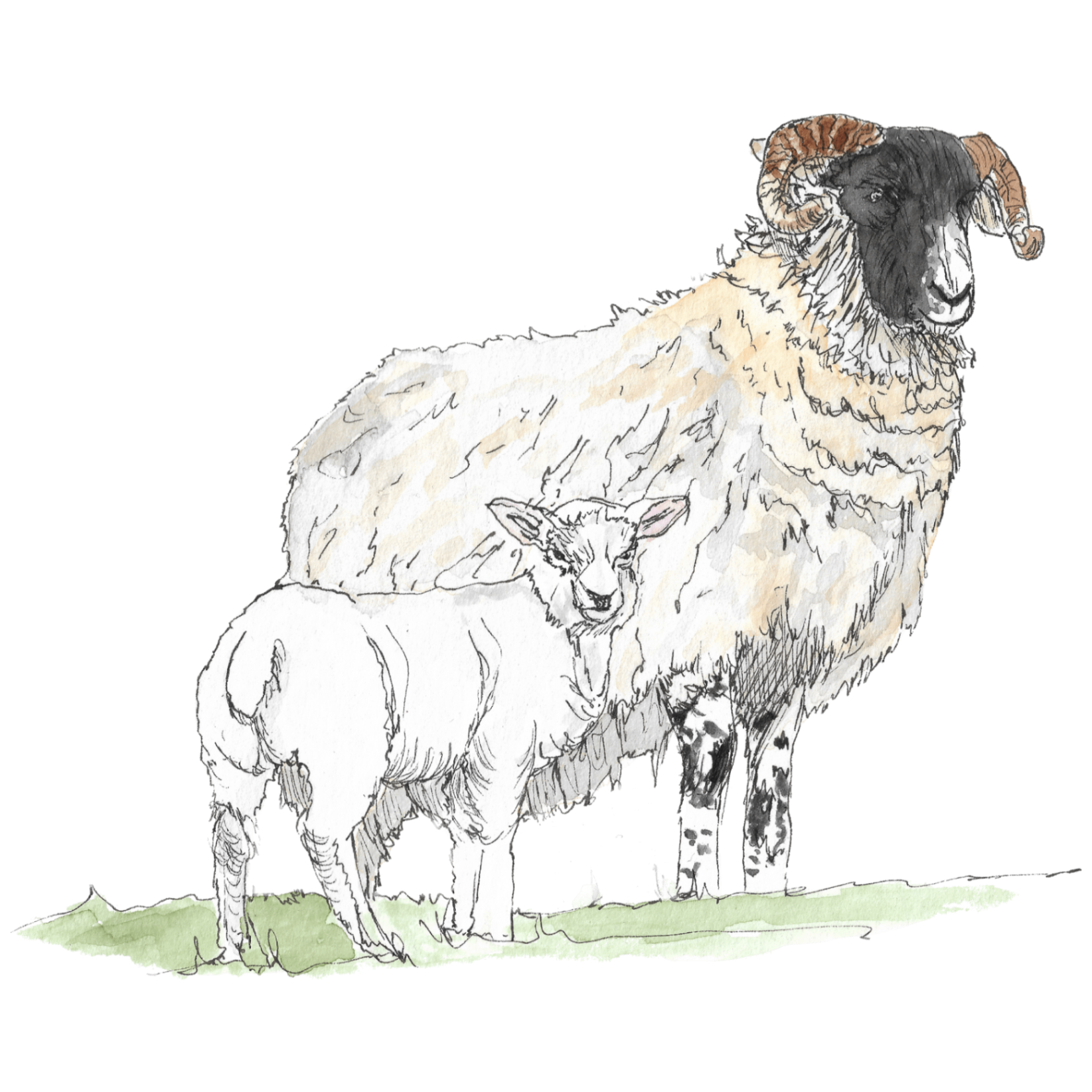
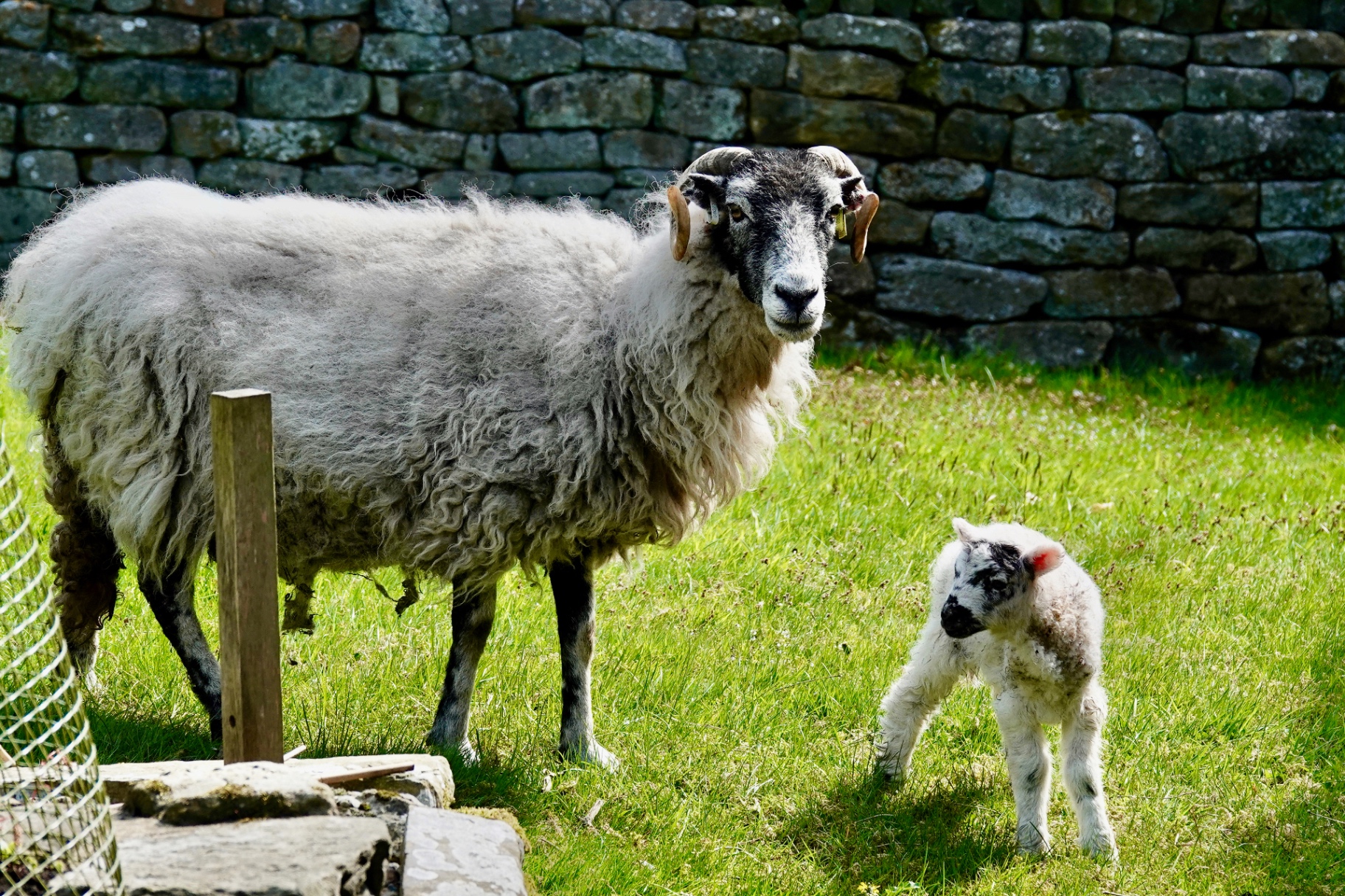
Swaledale Sheep

The black-faced, curly-horned native breed of the northern dales.

Habitat:
Moors, dales and upland pasture
Status:
Native breed - stable
Trend:
Stable
Why it matters:
Hardy hill grazer that shapes upland heath and pasture.

The Swaledale is the symbol of the Yorkshire Dales National Park.

Species notes sourced from the RSPB, BTO and partner conservation organisations.

Open species page & photo ID
Birds

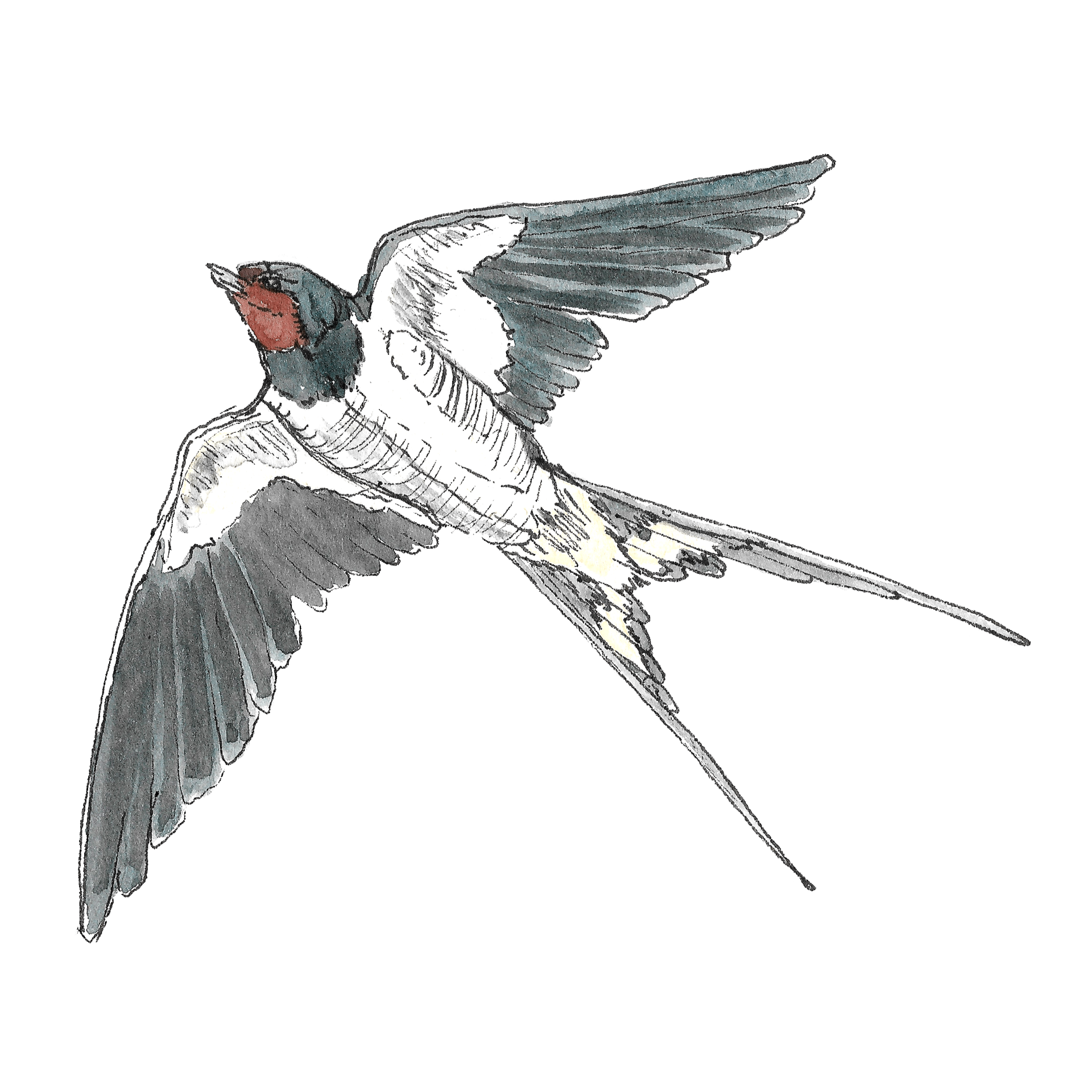
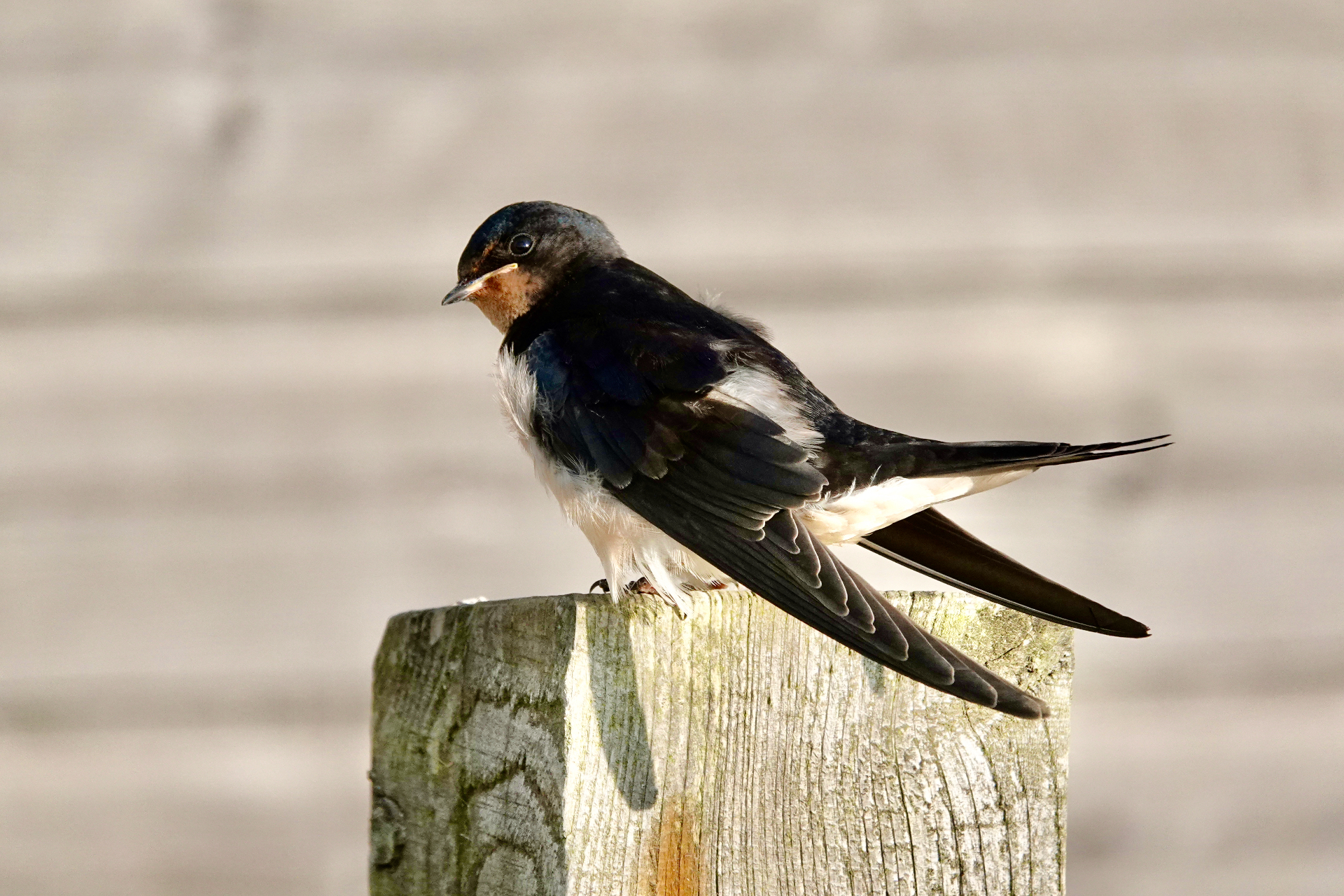
Swallow

A long-tailed summer visitor that races over fields and farms.

Habitat:
Farmland, barns and open country
Status:
Green listed (UK)
Trend:
Declining
Why it matters:
Aerial insectivore - controls flying insect populations.

Swallows fly 6,000 miles from southern Africa each spring to nest in the UK.

Species notes sourced from the RSPB, BTO and partner conservation organisations.

Open species page & photo ID
Birds

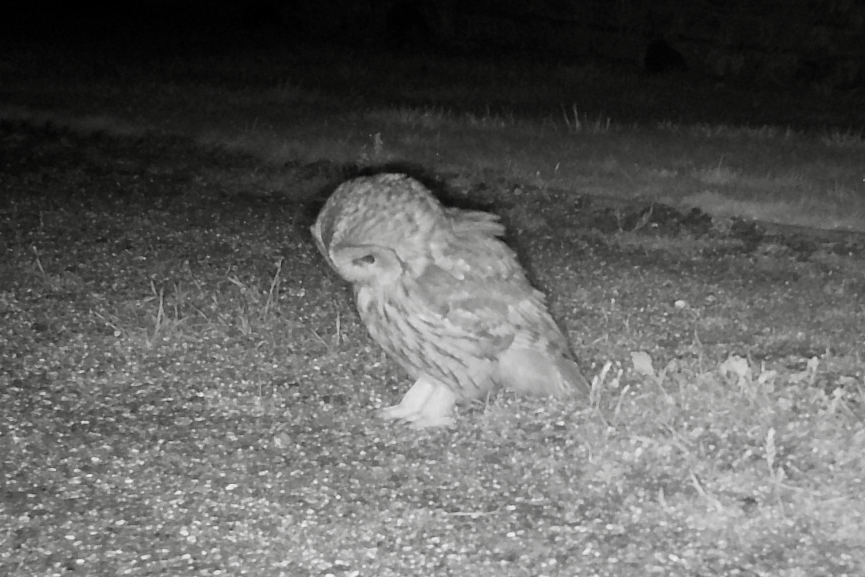
Tawny Owl

The Tawny Owl is Britain's most common and widespread owl, but also one of the hardest to see - strictly nocturnal and superbly camouflaged against tree bark. It is the bird responsible for the classic 'twit-twoo' duet (actually a female 'ke-wick' answered by the male's tremulous 'hoo-hoo-oooo'). Tawnies hunt small mammals, especially wood mice and voles, from a low perch.

Habitat:
See species page for habitat detail
Status:
See species page
Trend:
Stable
Why it matters:
Part of the wider North York Moors food web.

See the photo ID guide on the species page for field marks.

Species notes sourced from the RSPB, BTO and partner conservation organisations.

Open species page & photo ID
Birds

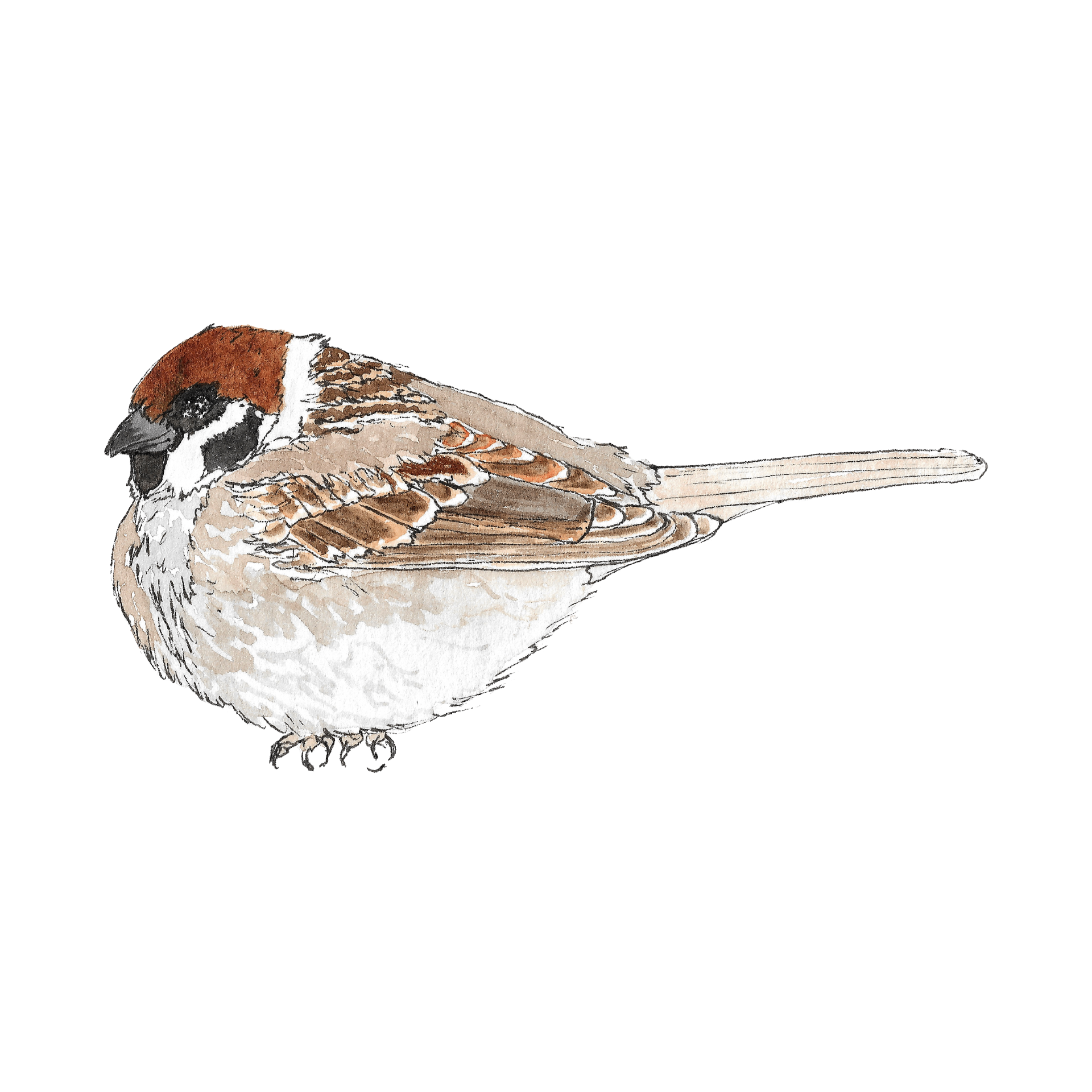
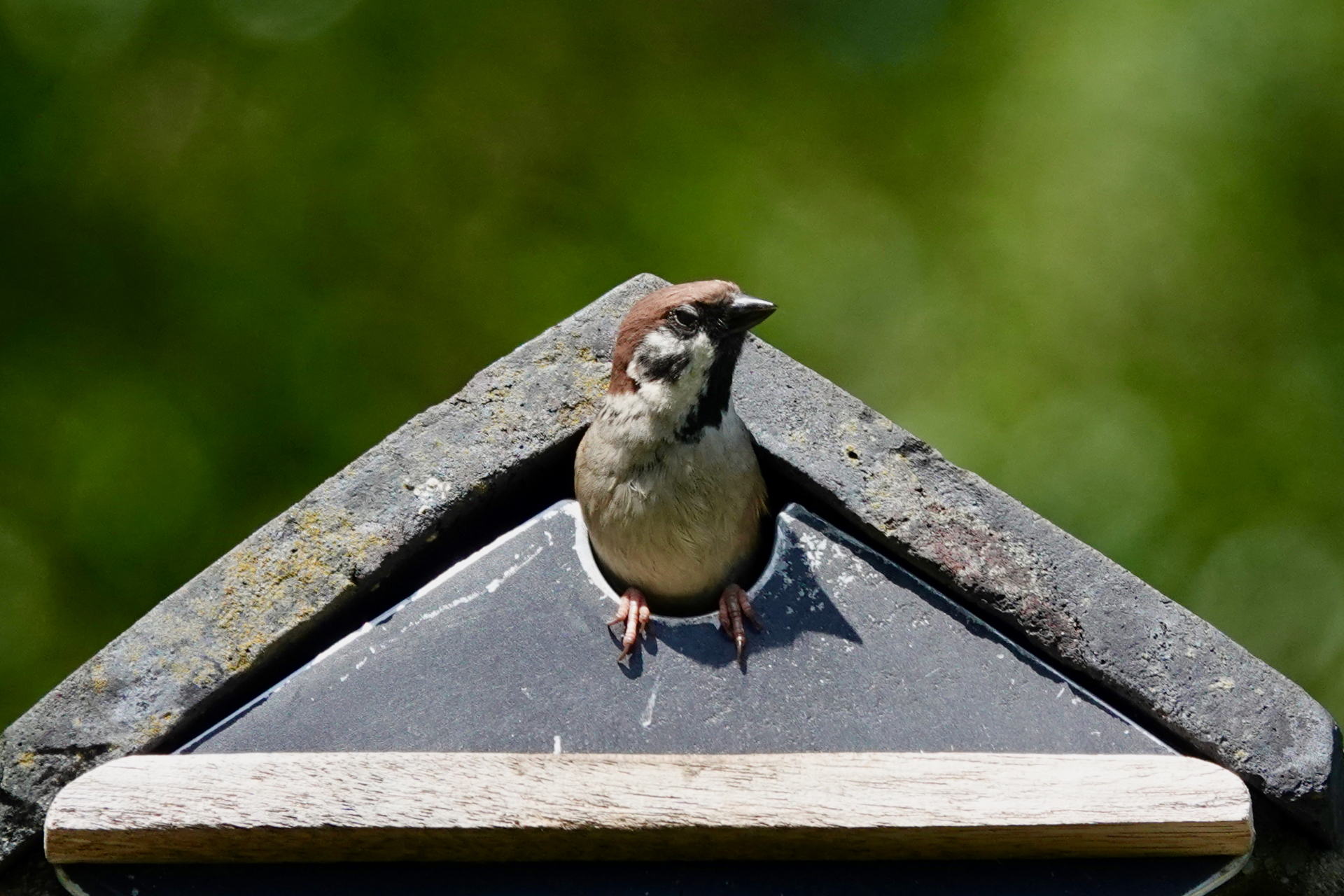
Tree Sparrow

A neat, chestnut-capped cousin of the house sparrow.

Habitat:
Farmland with mature trees and hedges
Status:
Red listed (UK)
Trend:
Declining
Why it matters:
Seed-eater that depends on stubble fields and hedgerows.

Tree sparrows have declined by more than 90% since the 1970s - one of the UK's steepest losses.

Species notes sourced from the RSPB, BTO and partner conservation organisations.

Open species page & photo ID
Birds

Treecreeper

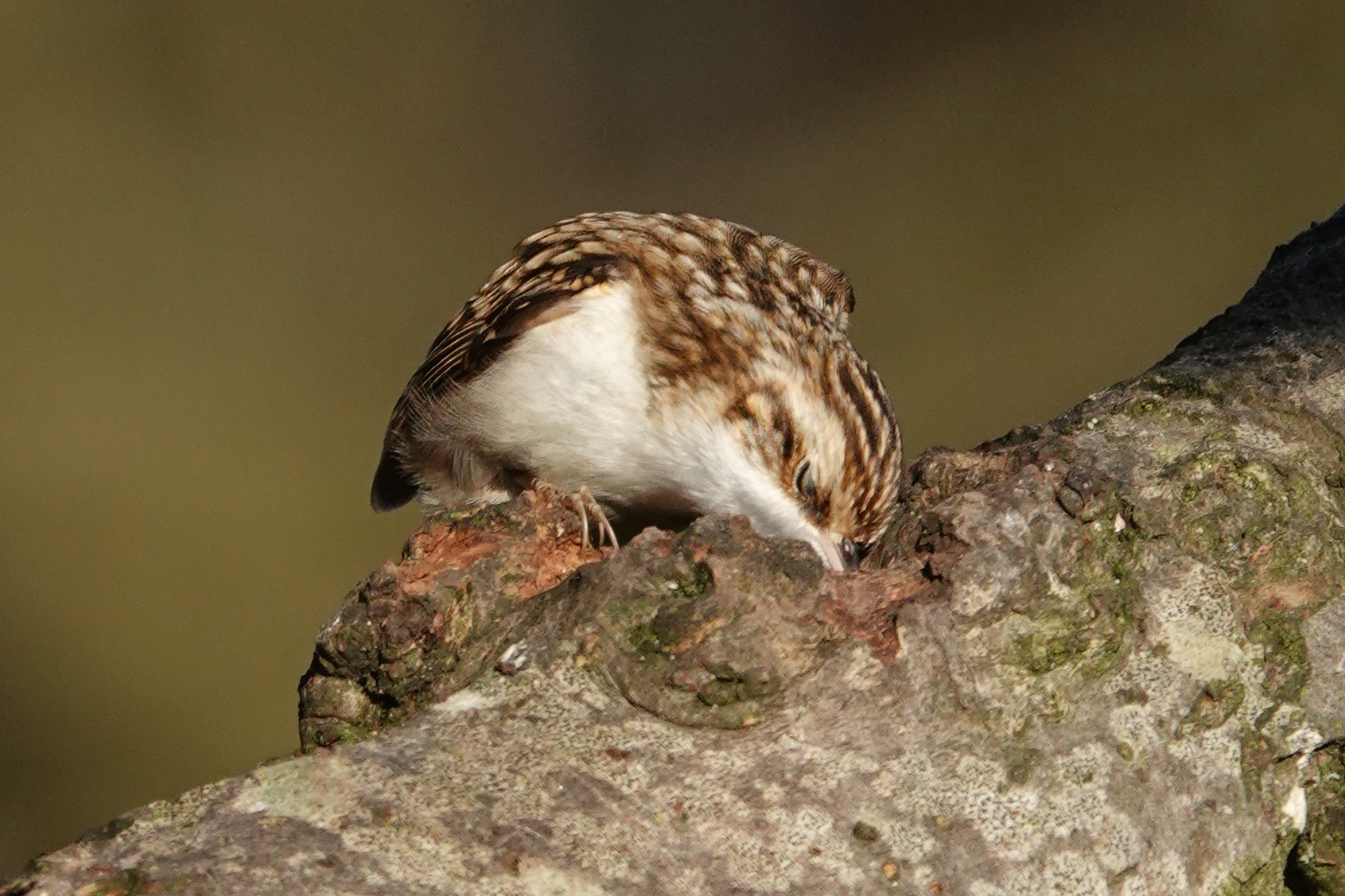
The Treecreeper is a tiny woodland specialist that behaves like a wind-up mouse on tree trunks. Mottled brown above and silky white below, it blends perfectly into bark, then spirals upwards probing every crevice with its long downcurved bill for spiders, insect eggs and overwintering grubs. When it reaches the top of a trunk it flies down to the base of the next tree and starts again.

Habitat:
See species page for habitat detail
Status:
See species page
Trend:
Stable
Why it matters:
Part of the wider North York Moors food web.

See the photo ID guide on the species page for field marks.

Species notes sourced from the RSPB, BTO and partner conservation organisations.

Open species page & photo ID
Birds

Turtle Dove

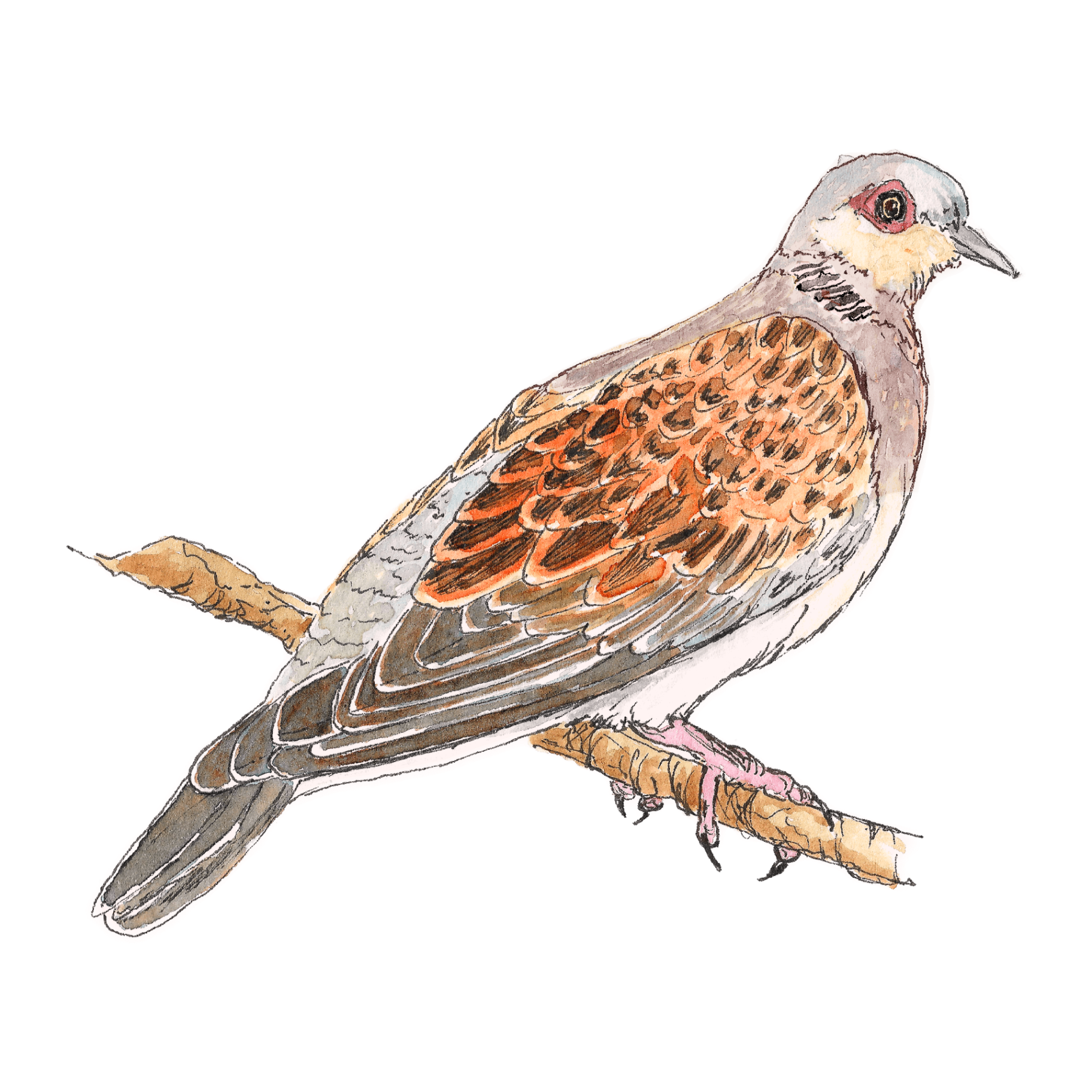
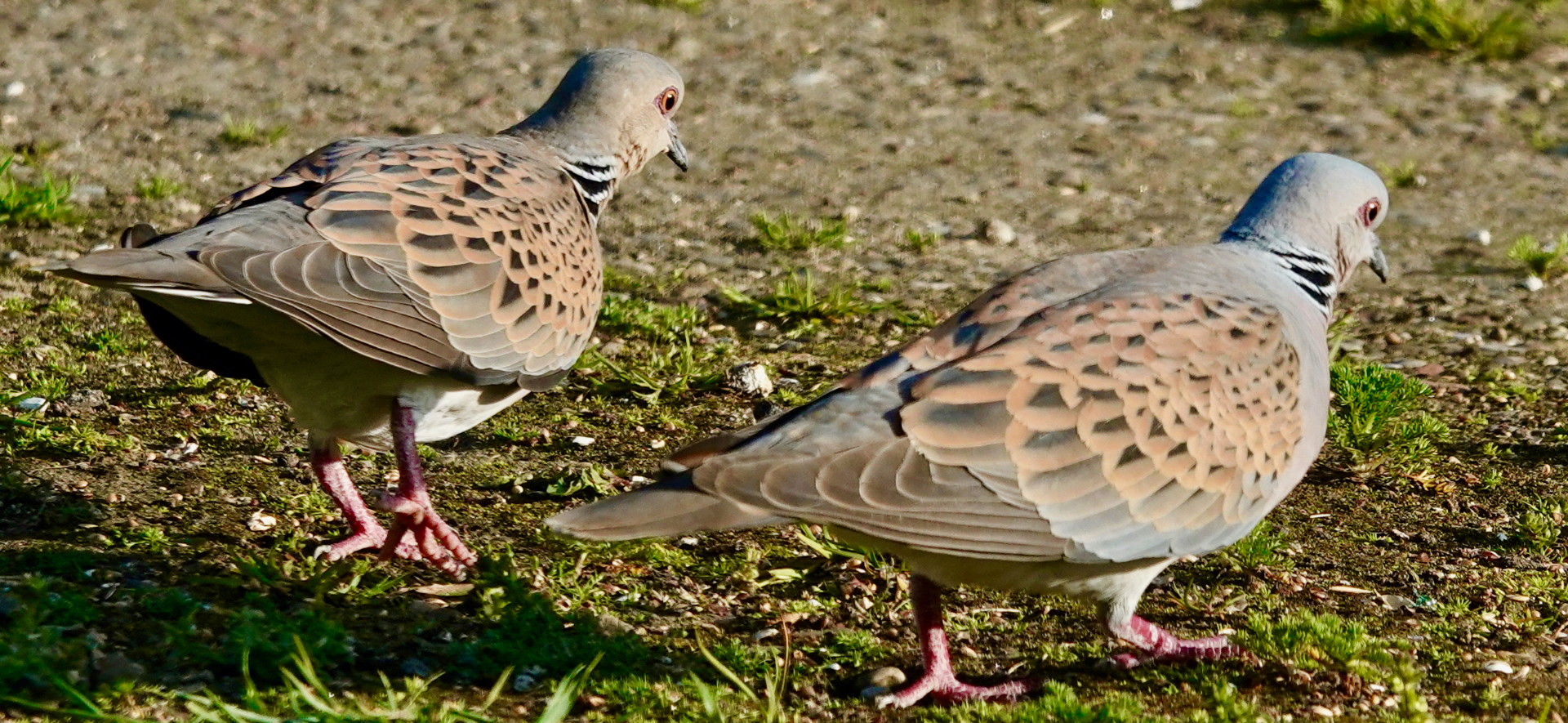
A small, delicate migrant dove with a gentle purring call.

Habitat:
Hedgerows and scrubby farmland
Status:
Red listed (UK) - globally Vulnerable
Trend:
Critically declining
Why it matters:
Seed-eater of wildflowers and arable margins.

Their UK population has fallen by 98% since 1970 - one of our most threatened birds.

Species notes sourced from the RSPB, BTO and partner conservation organisations.

Open species page & photo ID
Insects

Vapourer Moth Caterpillar

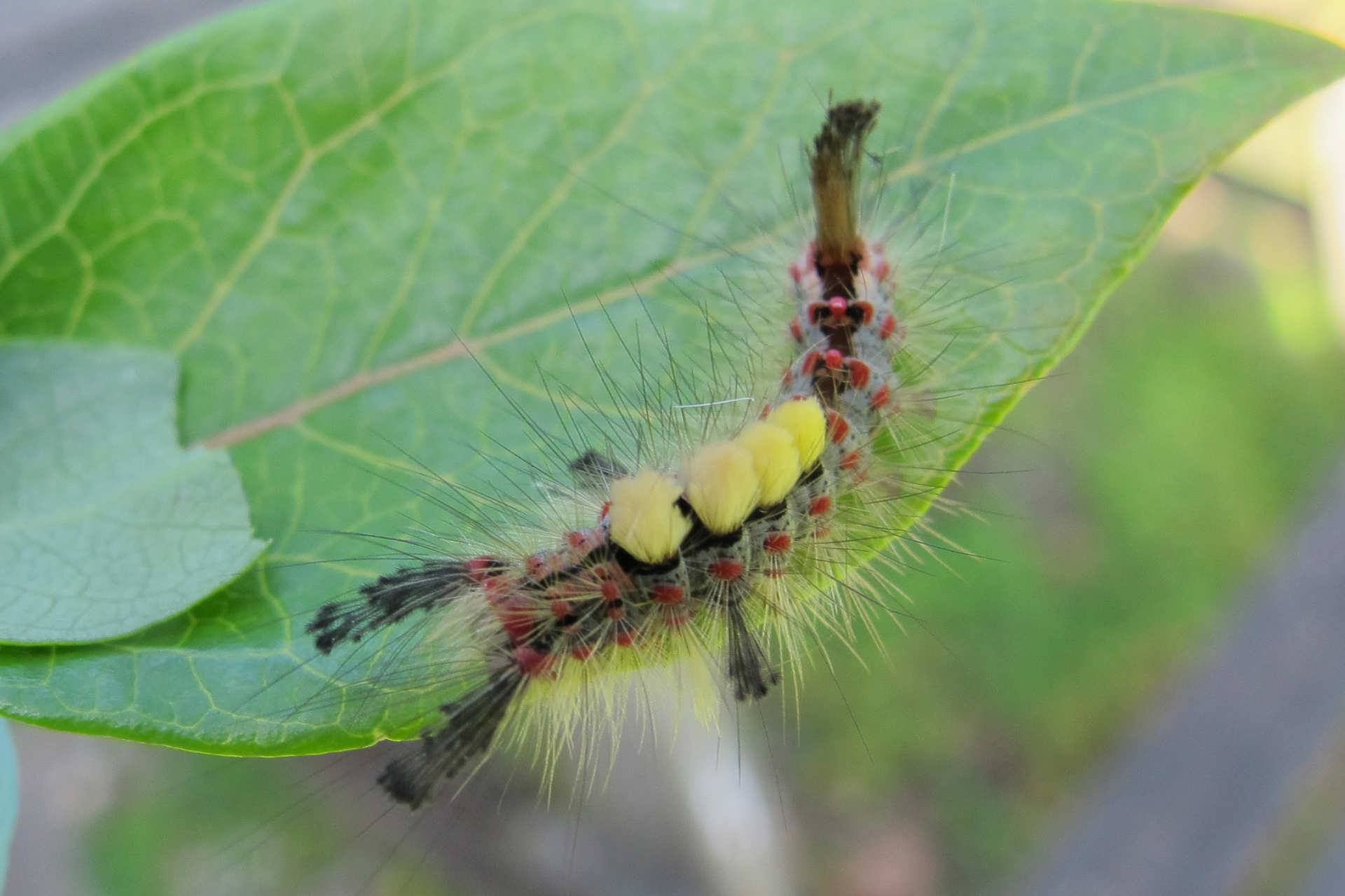
The unmistakable caterpillar of the Vapourer Moth (Orgyia antiqua) is one of the most striking caterpillars found in UK gardens and hedgerows. Four bright yellow tufts on the back, red spots, and long black hair pencils make it look almost cartoon-like.

Habitat:
See species page for habitat detail
Status:
See species page
Trend:
Stable
Why it matters:
Part of the wider North York Moors food web.

See the photo ID guide on the species page for field marks.

Species notes sourced from the RSPB, BTO and partner conservation organisations.

Open species page & photo ID
Birds

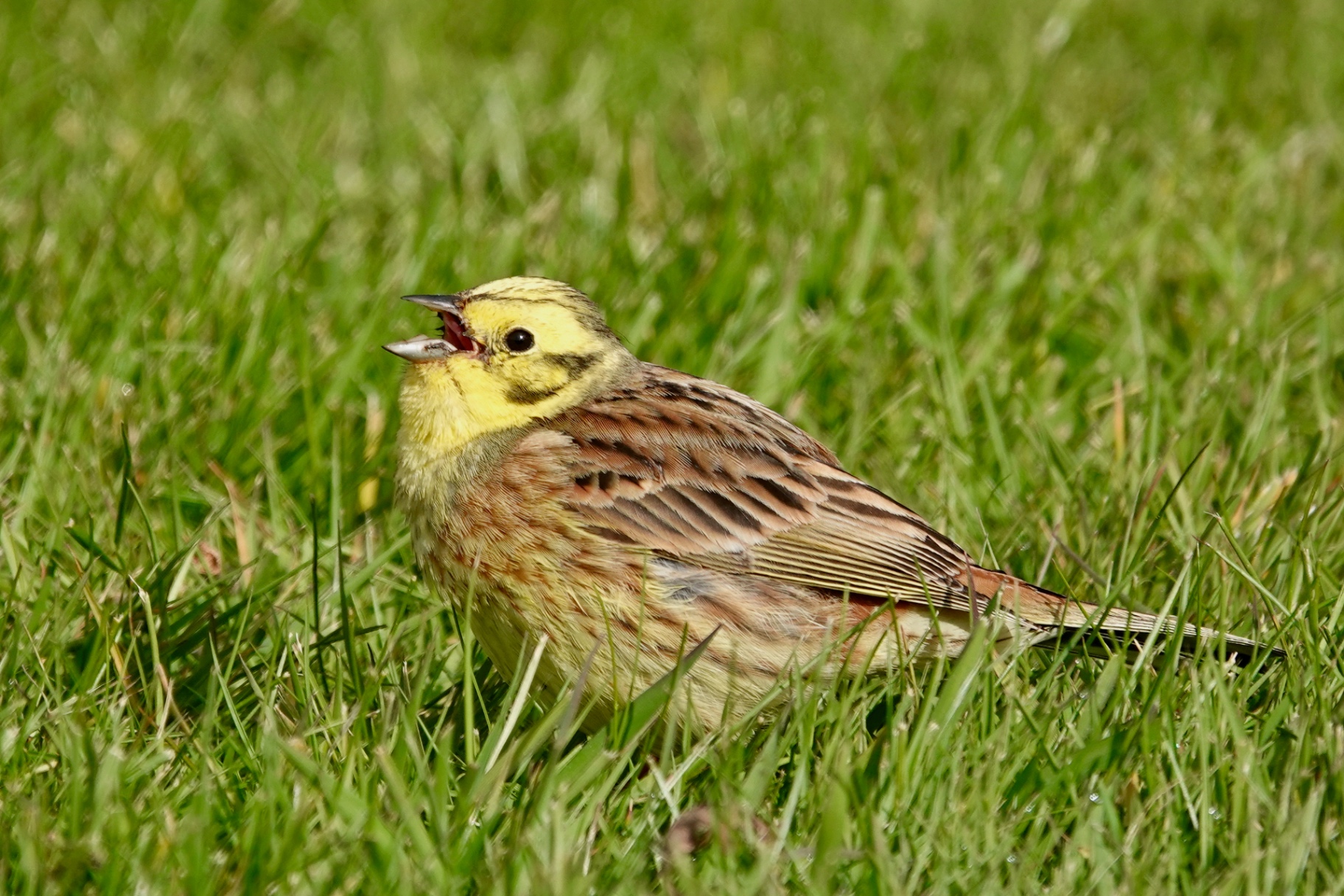
Yellowhammer

A bright yellow farmland bunting whose song - the famous 'a-little-bit-of-bread-and-no-cheese' - was once the soundtrack of every hedgerow in summer. Yellowhammer numbers have crashed by more than half in the UK since the 1970s with the loss of weedy stubbles, hedgerows and winter seed, and the species is now Red-listed.

Habitat:
See species page for habitat detail
Status:
See species page
Trend:
Stable
Why it matters:
Part of the wider North York Moors food web.

See the photo ID guide on the species page for field marks.

Species notes sourced from the RSPB, BTO and partner conservation organisations.

Open species page & photo ID