
Back to the illustration

Wildlife - Birds

Nuthatch

The Nuthatch is a stocky, blue-grey bird with a long black eye-stripe, peachy-buff underparts and a powerful chisel-like beak. Famous for being the only UK bird that habitually walks head-first DOWN tree trunks, it has a loud ringing call that carries through woodland.

Species description adapted from RSPB and BTO references - see links below.

North Yorkshire species profileGo to Wildlife Identification
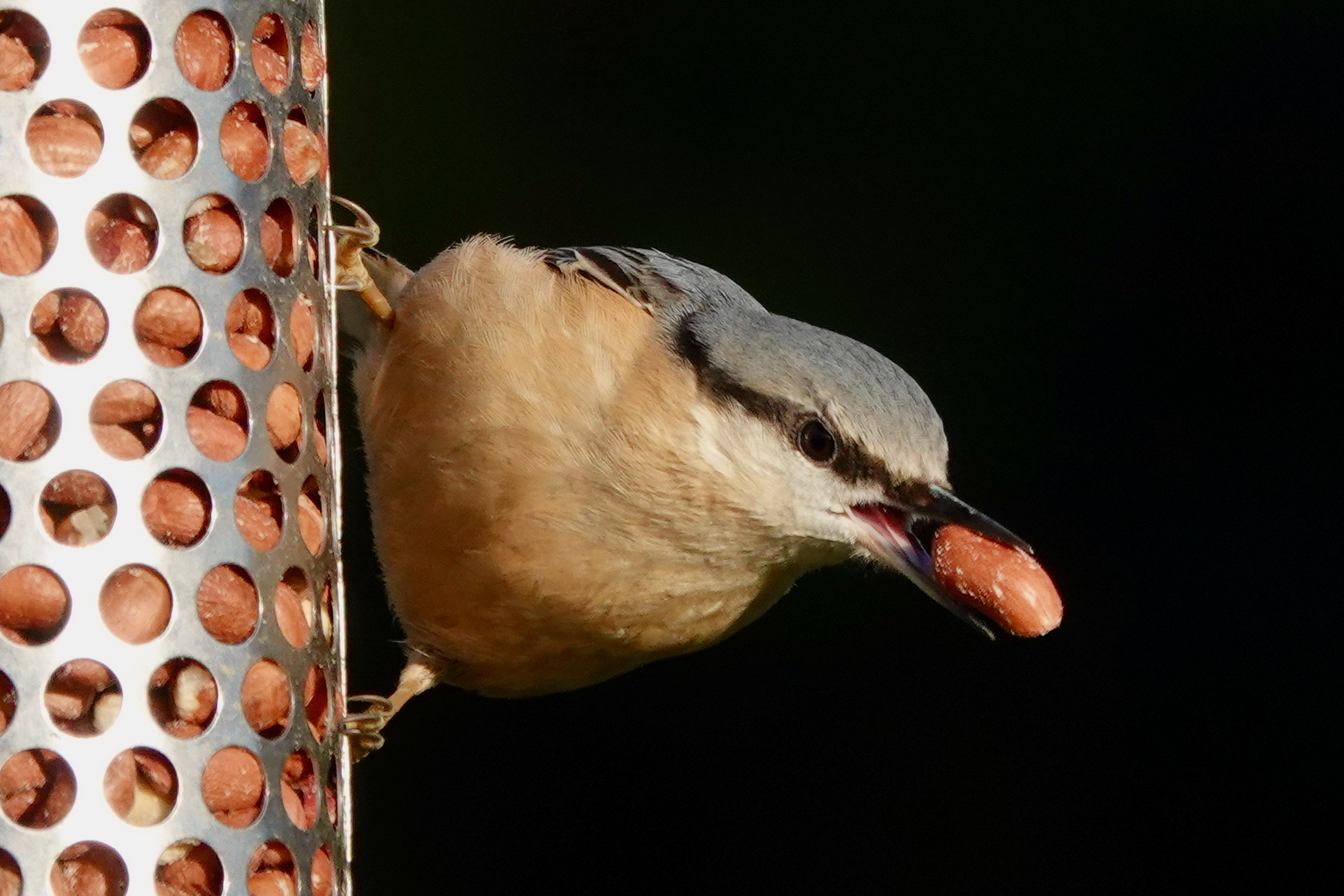
A Nuthatch clinging to a metal peanut feeder with a peanut in its beak

Birds - Photo ID

Nuthatch - photo identification

The Nuthatch is a stocky, blue-grey bird with a long black eye-stripe, peachy-buff underparts and a powerful chisel-like beak. Famous for being the only UK bird that habitually walks head-first DOWN tree trunks, it has a loud ringing call that carries through woodland.

Photographs by Rob - taken in and around the North York Moors.

A Nuthatch clinging to a metal peanut feeder with a peanut in its beak

Adult Nuthatch at a peanut feeder

Nuthatches are regular visitors to garden feeders, especially in winter. They love peanuts and sunflower seeds, often grabbing one and flying off to wedge it into bark to hammer open - a behaviour that gives them their name (a corruption of 'nut-hack'). Note the blue-grey back, peachy belly and bold black bandit-stripe through the eye.

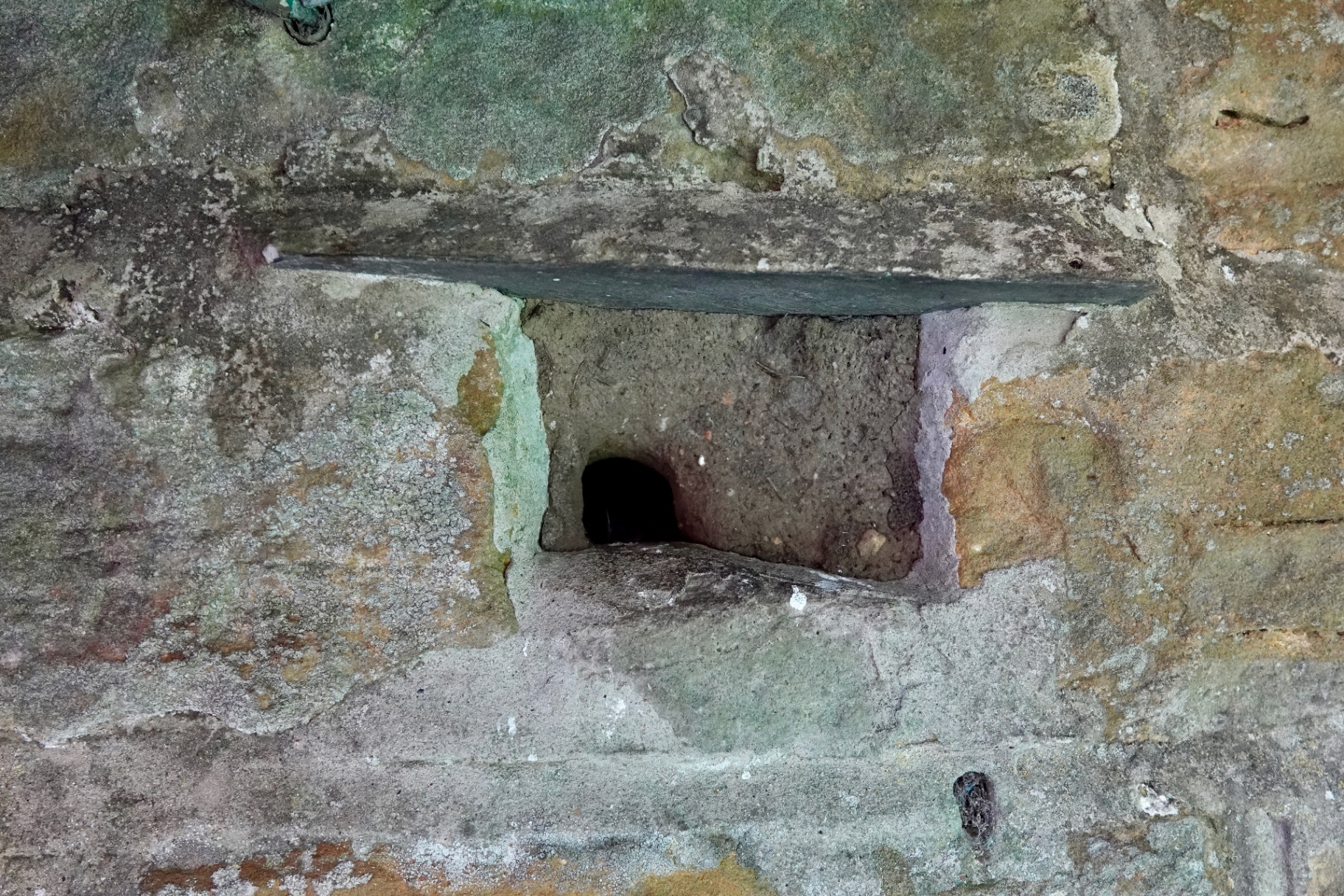
A small nest hole in an old stone wall, mud-plastered around the edges

Nuthatch nest hole in a stone wall

Nuthatches nest in holes - usually old woodpecker holes or natural cavities in trees - but will happily use a gap in stonework. They plaster mud around the entrance to shrink it down to exactly their size, keeping larger birds and predators out. You can see the smoothed mud lining around this hole in an old wall.

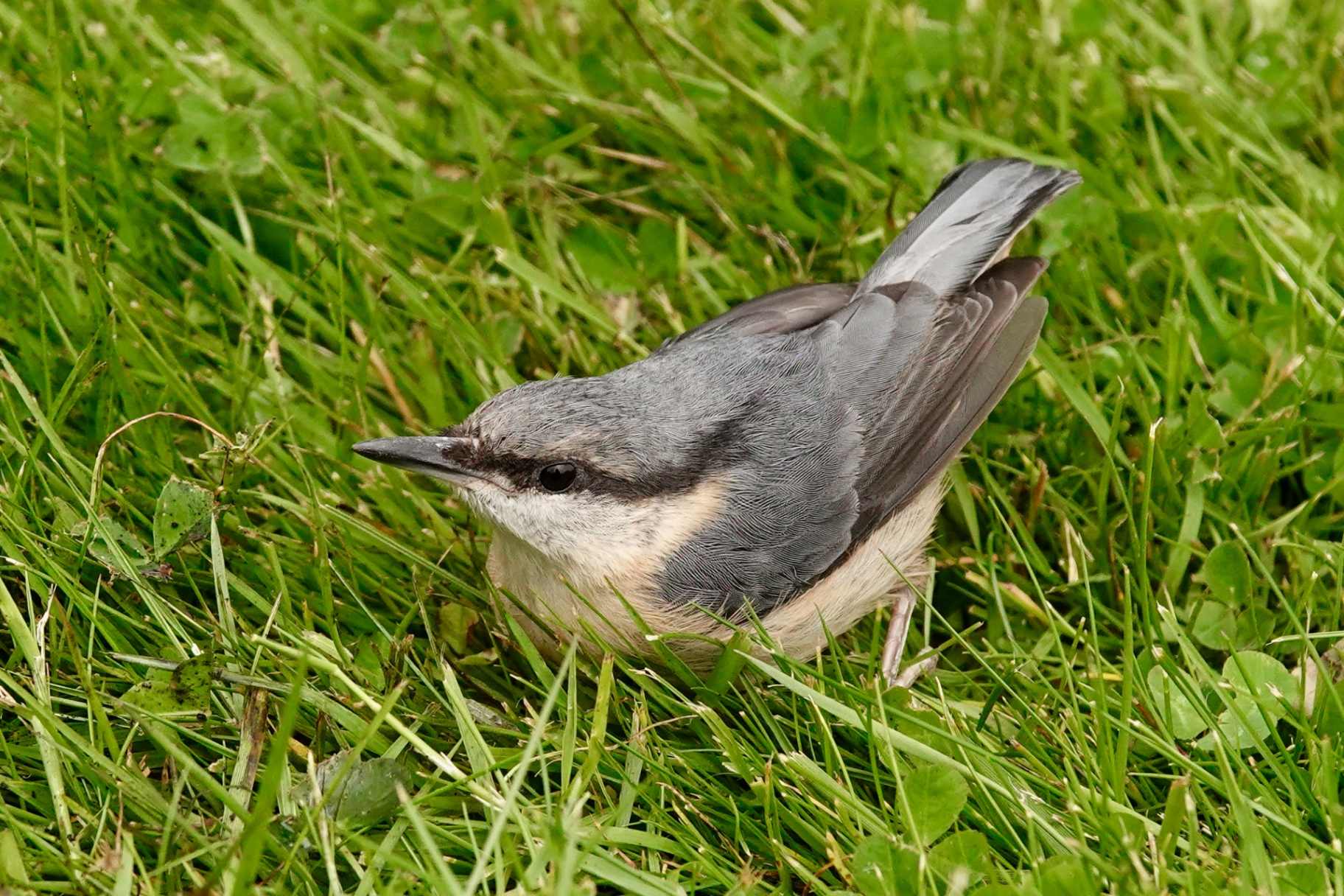
A young Nuthatch standing on a lawn looking slightly disoriented

Fledgling Nuthatch on the ground

This fledgling looked a bit confused by its new surroundings after leaving the nest. Young Nuthatches look much like adults but the colours are softer and the eye-stripe a little less crisp. If you find a fledgling on the ground that is feathered and alert, leave it alone - the parents are almost certainly nearby and still feeding it.

How it fits into North Yorkshire wildlife

This bird is part of the moving life of North Yorkshire, linking coast, woodland, farmland and gardens. Its success depends on enough food, safe nesting places and seasonal timing that still matches the landscape around it.

How it interacts with the wider landscape

Its place in the food web connects insects, seeds, small mammals, shrubs, trees or fish with the larger rhythms of weather and migration.

Seasonal rhythm

Spring and early summer are often the most important months, when breeding, migration and food availability need to line up.

Where to look and what to notice

Look for movement, calls, feeding behaviour and the kind of habitat this bird depends on, such as hedgerow, garden, moorland edge or sea cliff.