Our Natural World
Our Natural World - What We Stand to Lose
Our natural world, ecosystems and nature are under threat from the activities of us - Homo sapiens. Latin for wise man. Why, if we are wise, do we continue to bite off the hand that feeds us?
Why Nature Matters to Us
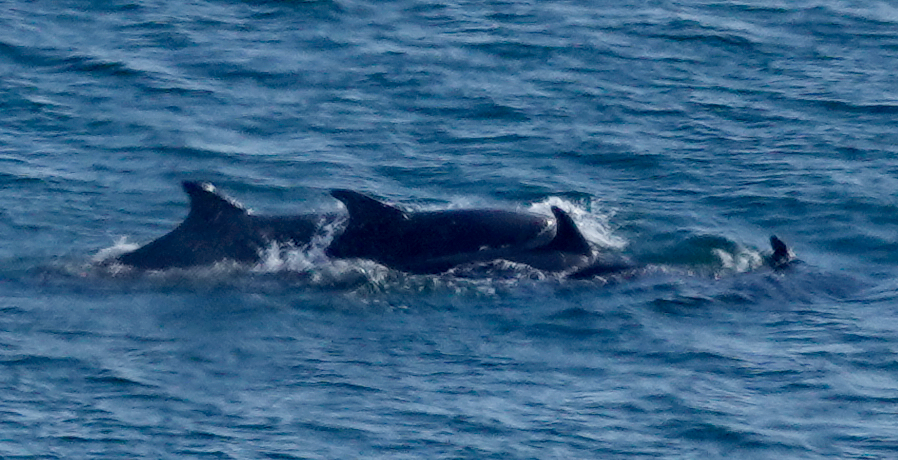
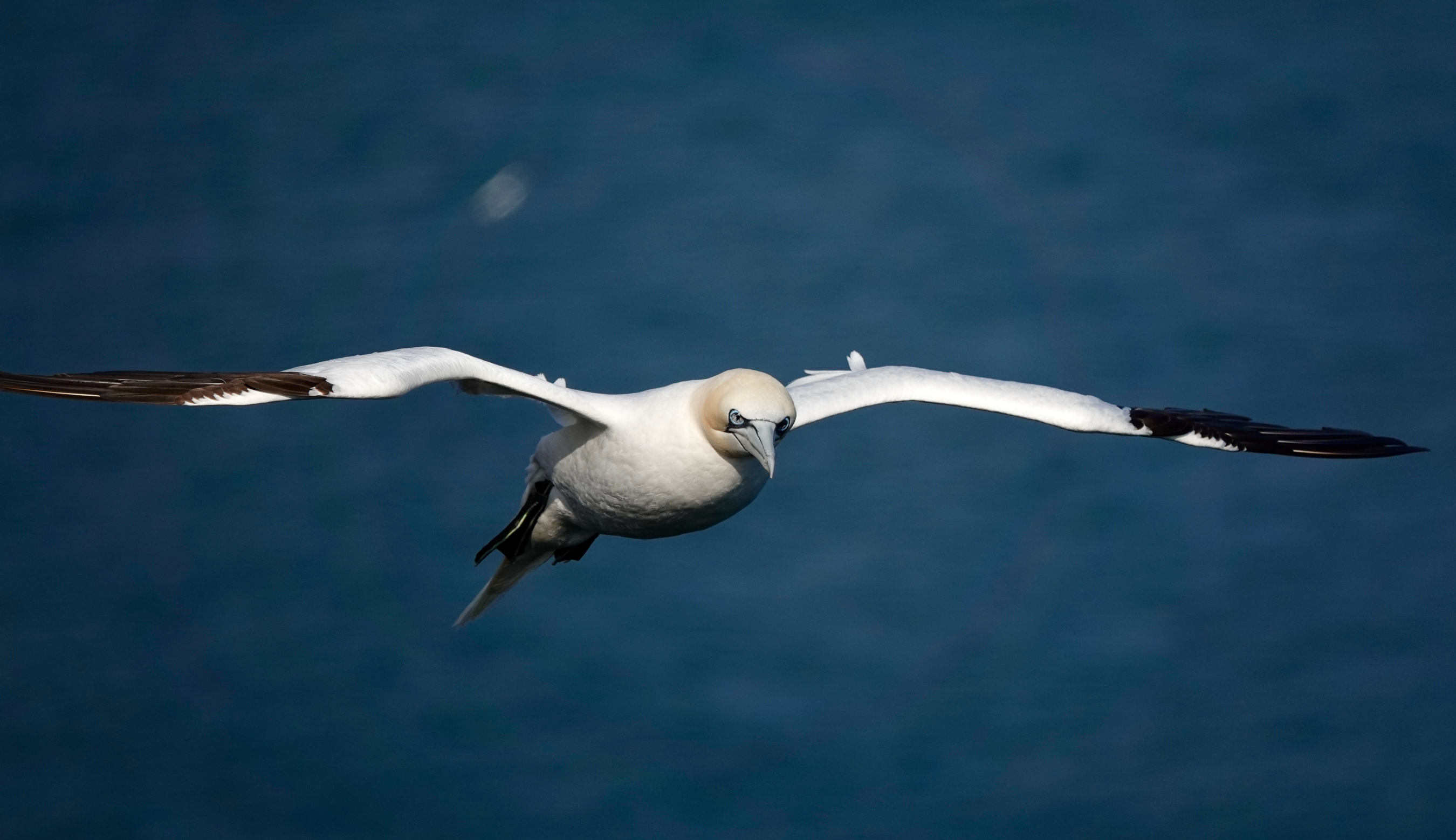
Our natural world not only feeds us with our dietary requirements and the raw materials we need to lead comfortable lives - it also feeds our mental and physical health, our wellbeing, our happiness, and our outlook on life.
- Enjoying the countryside, wildlife and green spaces is a proven way to reduce stress and enhance mental and physical wellbeing.
- Fresh air, natural habitats and open spaces are part of our quality of life.
- Nature is not separate from us - we are part of it.
Extinct. Gone, forever.
Some natural resources and species of flora and fauna have already disappeared. Some resources, such as phosphorus / phosphate fertiliser for growing our food, are finite and will disappear. Some species on land, in soil, sky and sea are perilously close to the edge of extinction. As a result, the ecological imbalance they leave behind drives further species decline - and some of these species are in our food chain.
How often do we say "ours"?
How many times do we refer to the Earth as ours? To nature and wildlife as ours? If we really believe that - shouldn't we treat it with more respect?
While the natural world is in decline, the global human population continues to expand, creating ever-increasing pressure on the Earth's resources and ecology. Individually we may feel we cannot make a difference, but if a lot of people start to do a little, it will make a difference.
A Ride For Life is apolitical.
It is clear we cannot wait for politicians to get us out of this mess. A change of party and leader can result in a U-turn on climate and natural-world issues - with unthinkable consequences.
The UK - one of the most nature-depleted countries in the world
It will get worse before it gets better. More wildfires and floods will compound the problem. We will bear the cost - much of it hidden in food and insurance costs, and taxation. More people need more housing, services, infrastructure and resources, taking more land and precious habitat from nature in exchange for less than wise development, with watered-down environmental impact mitigation.
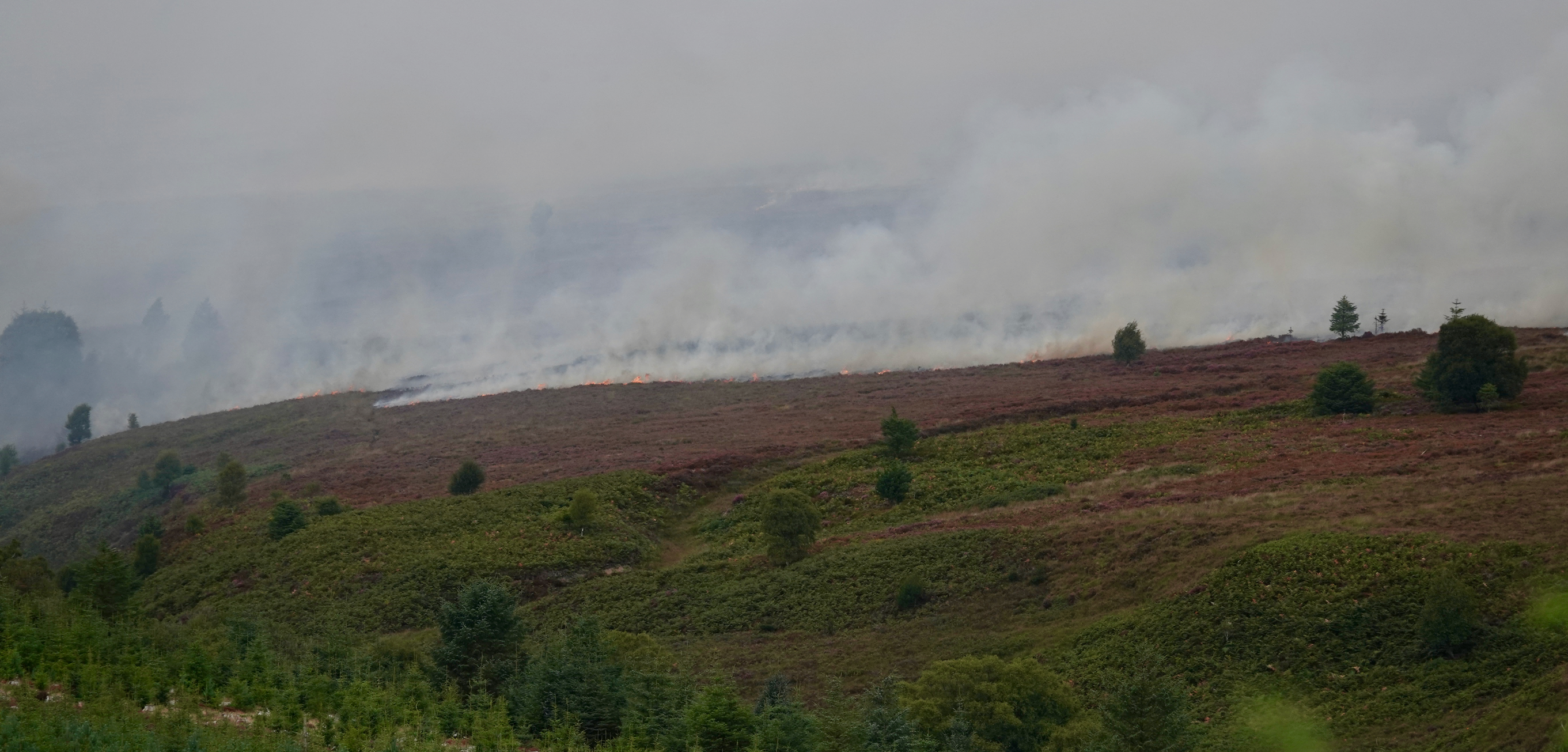
Building houses on unsuitable flood plains. Constructing power-hungry data centres on huge but unsuitable sites without supporting infrastructure or carbon-footprint mitigation. These are just two examples of how inadequate planning controls are making climate change and nature depletion worse.
The answer is wiser consumption - not fewer people
Reducing our carbon footprint is crucial if we want a more sustainable planet for future generations. We can do this at the same time as preserving and enhancing the environment and nature. With a little information about how we can help our world, we can honestly claim to be wise man, if we just put some effort in.
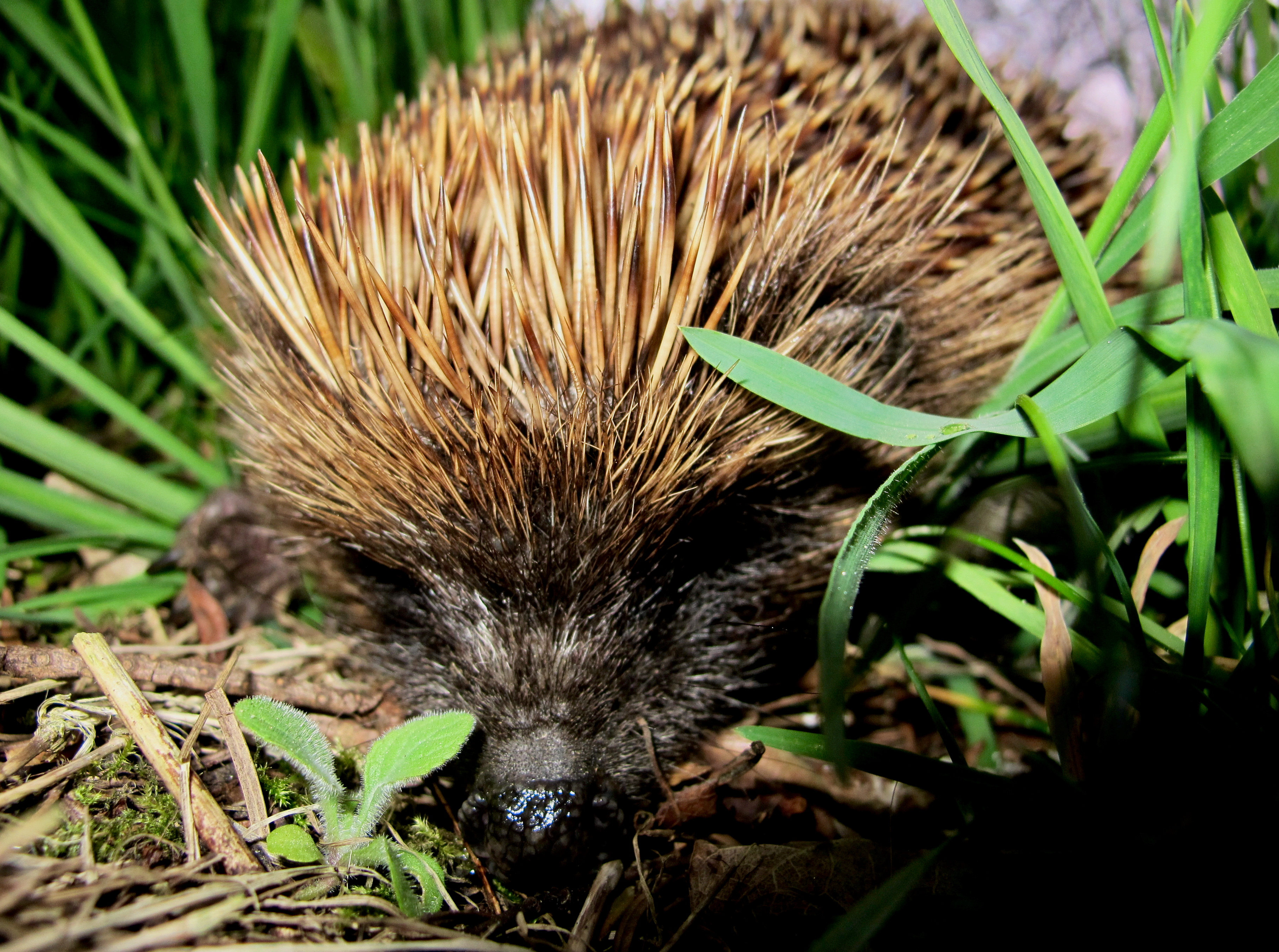
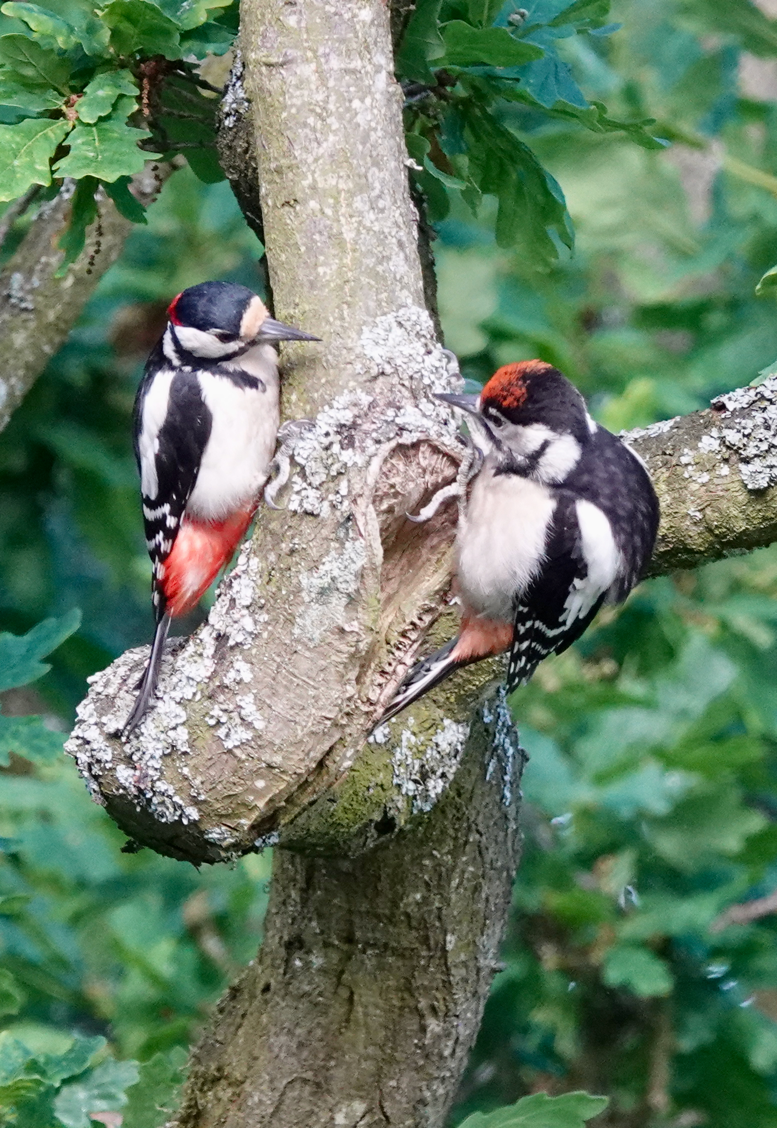
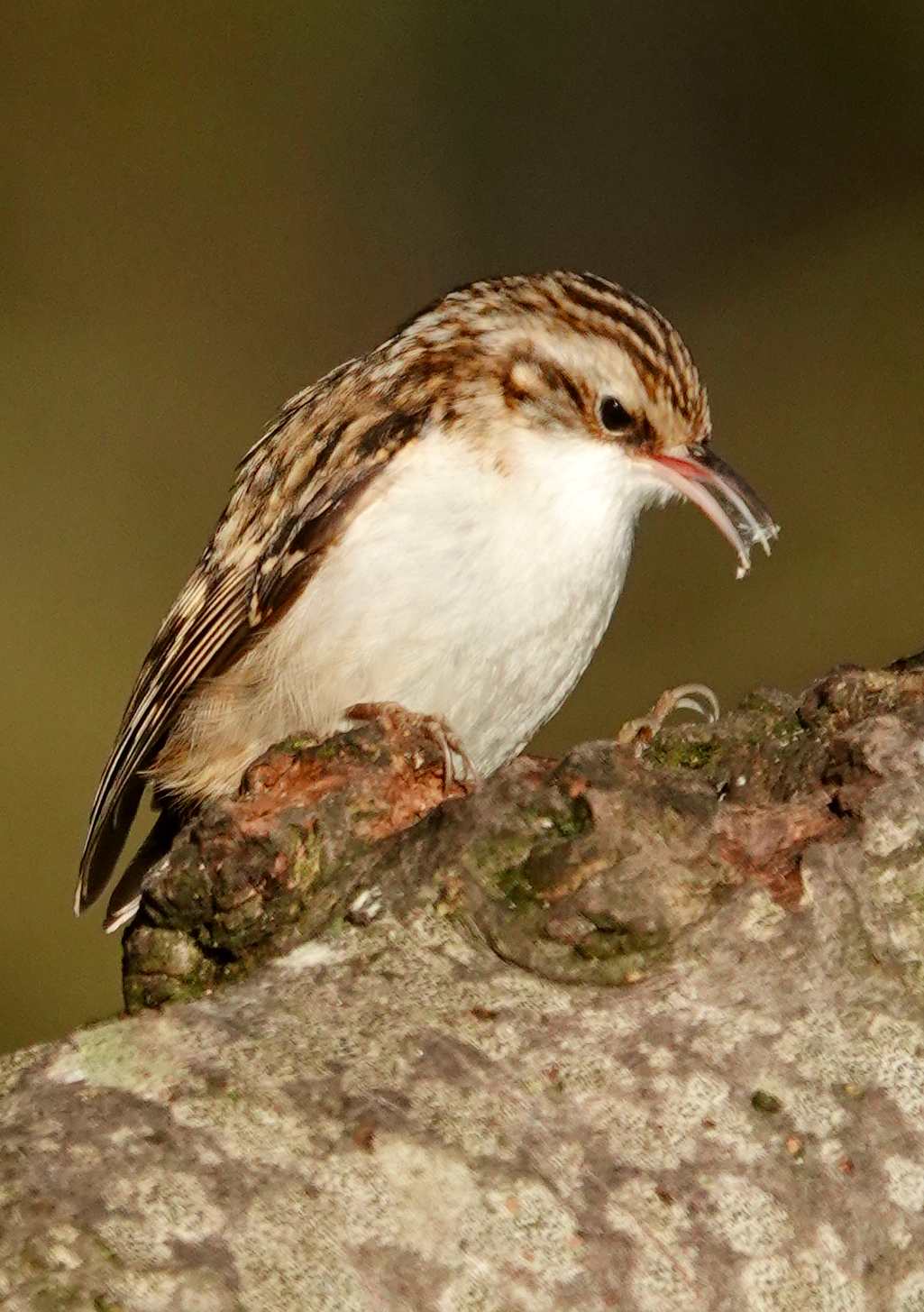
For three decades, the founder of A Ride For Life has focussed at home on resource management and carbon-footprint reduction, while preserving and enhancing the environment and nature. More and more species of mammals and birds visit the garden. Plants, flowers, trees and shrubs have benefitted too. It has been wonderful to observe. You can do it too.
Get close to nature
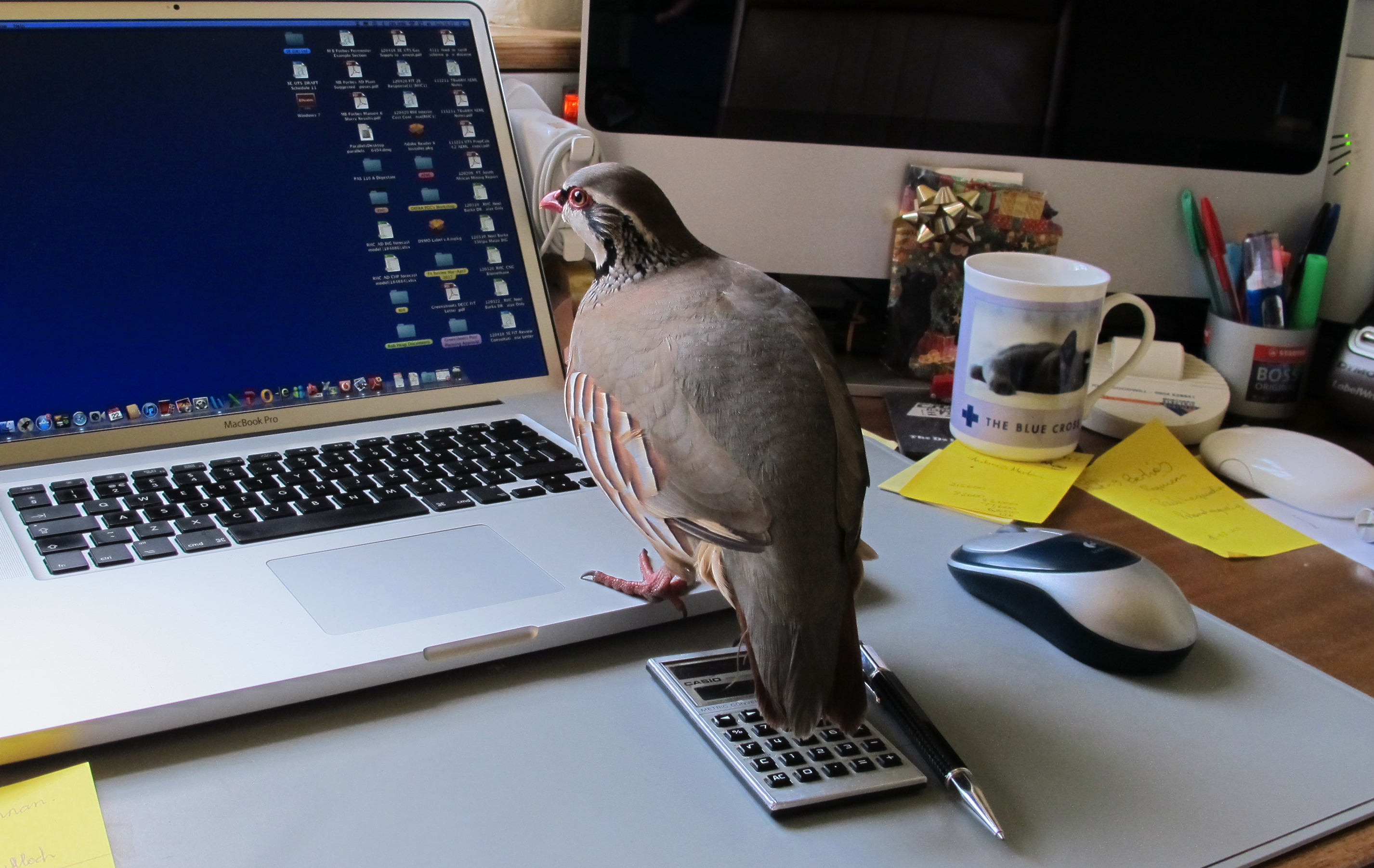
All of us can get very close to nature if we try. During a recent very hot summer, with a house window wide open, a red-legged partridge came inside and had a look around. The photo below shows the bird on the desk - but it didn't pass the test for the office assistant vacancy!
What you can do
You will be surprised by how easy, and how satisfying, it is. Visit the Ideas page for small and not-so-small things you can try in your home, garden and daily life. Thank you.