
How it fits into North Yorkshire wildlife
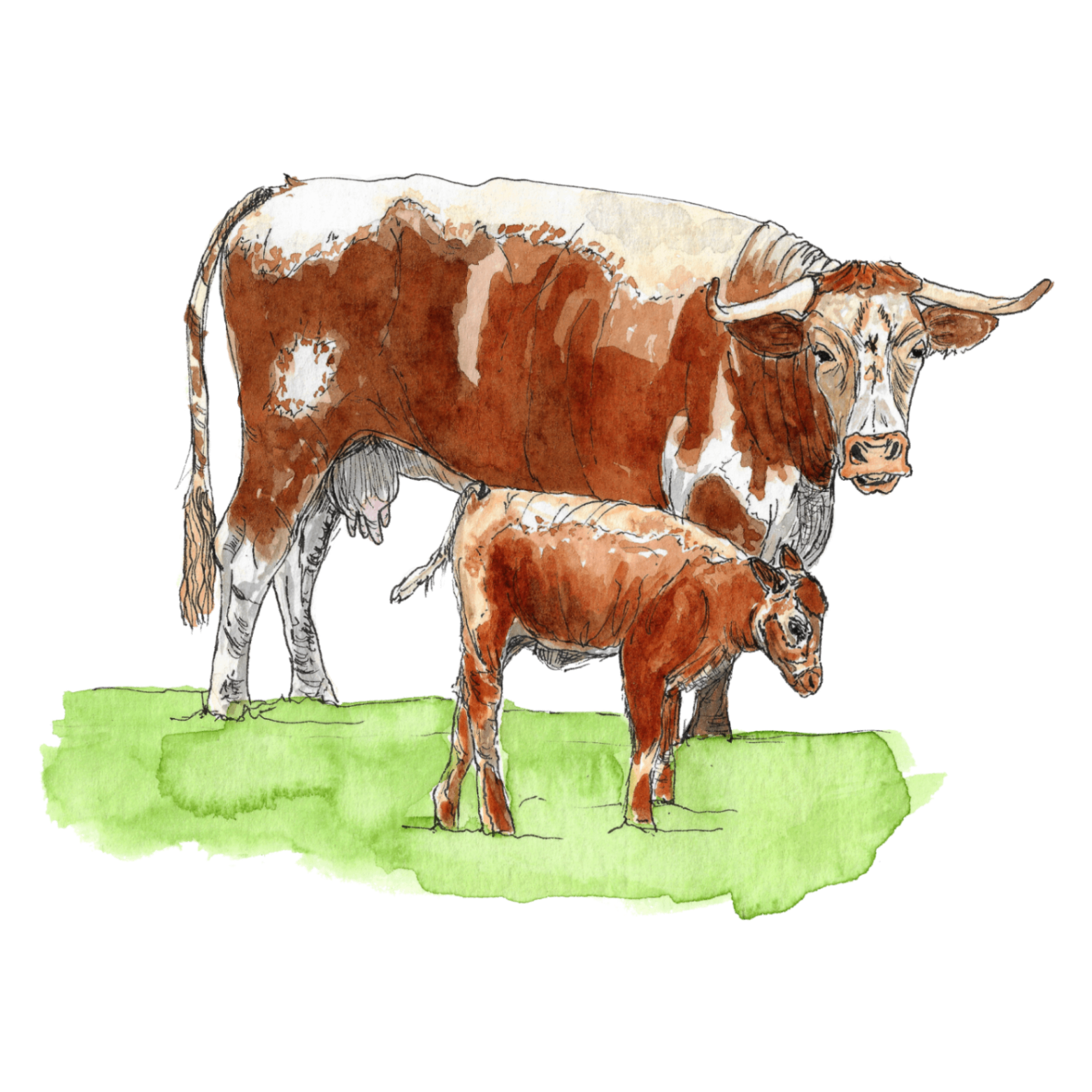
Traditional grazing animals like English longhorns can be allies for North Yorkshire wildlife when managed at low intensity. Their grazing creates varied sward heights, patches of bare ground and dung-rich microhabitats that support insects and birds.
How it interacts with the wider landscape
Well-managed cattle can help maintain species-rich grassland, keep scrub in balance and open up space for flowering plants. Their effect is strongest when stocking levels match the land rather than overpower it.
Seasonal rhythm
Their influence changes through the grazing season. Spring and summer growth responds quickly to where cattle feed, rest and move, shaping the structure that wildlife uses later in the year.
Where to look and what to notice
Look for mixed grass heights, insect activity around dung, and flower-rich pasture where grazing pressure has stayed light enough for variety to survive.