
How it fits into North Yorkshire wildlife
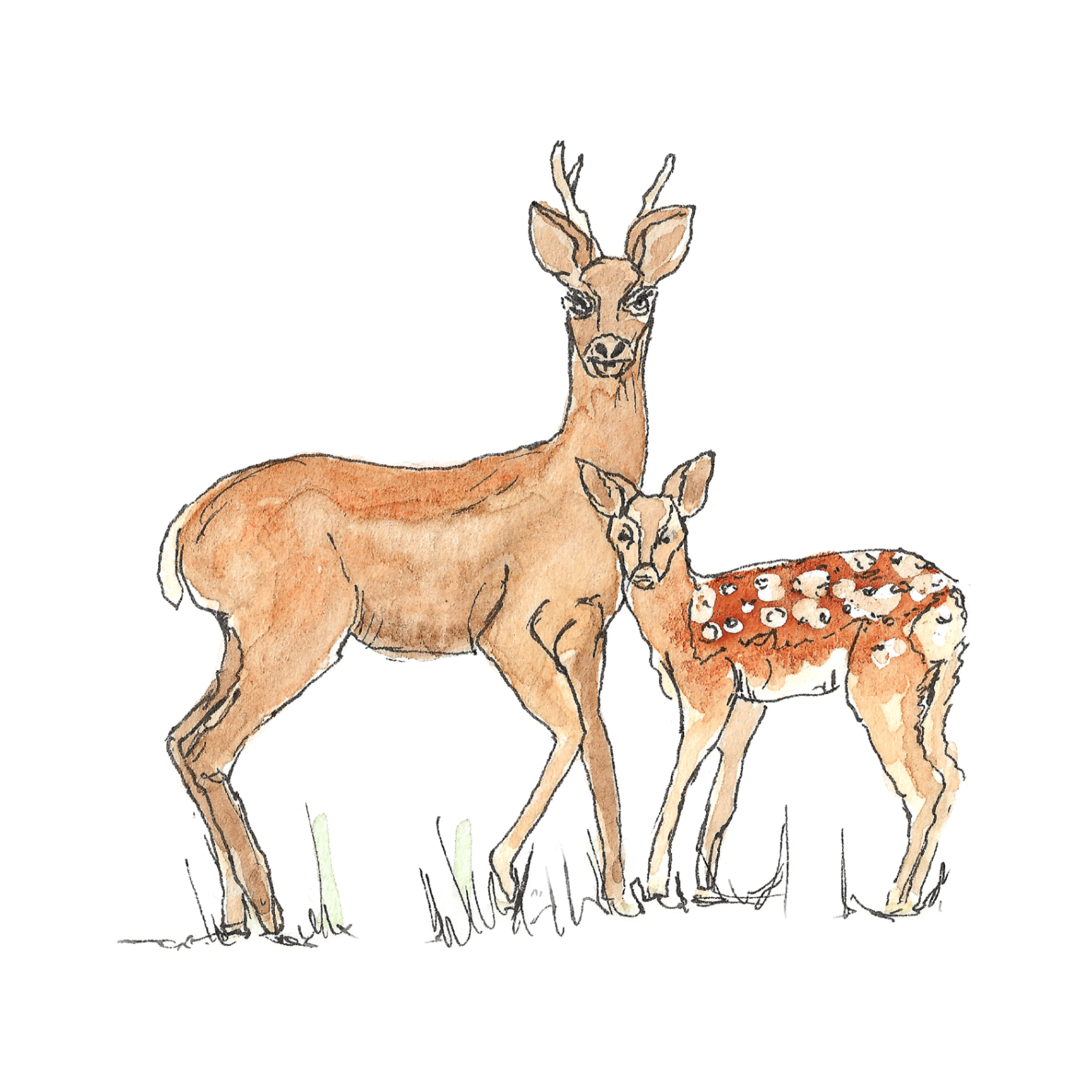
Roe deer move through North Yorkshire's woodland edges, young plantations, scrub and farmland margins. They are one of the species that visibly shape what grows, because their browsing decides which shoots survive and which do not.
How it interacts with the wider landscape
A roe deer can help keep some vegetation open, but in places where numbers build too high it can also hold back natural regeneration. That means their influence reaches from tree seedlings and wildflowers to insects and nesting birds.
Seasonal rhythm
Dawn and dusk are the best times to notice them. Spring brings fawns and fresh growth, while autumn often reveals more movement along woodland margins.
Where to look and what to notice
Look for neat tracks, browsing signs on young shoots, and brief glimpses of a deer slipping into cover with its white rump patch flashing.