
How it fits into North Yorkshire wildlife
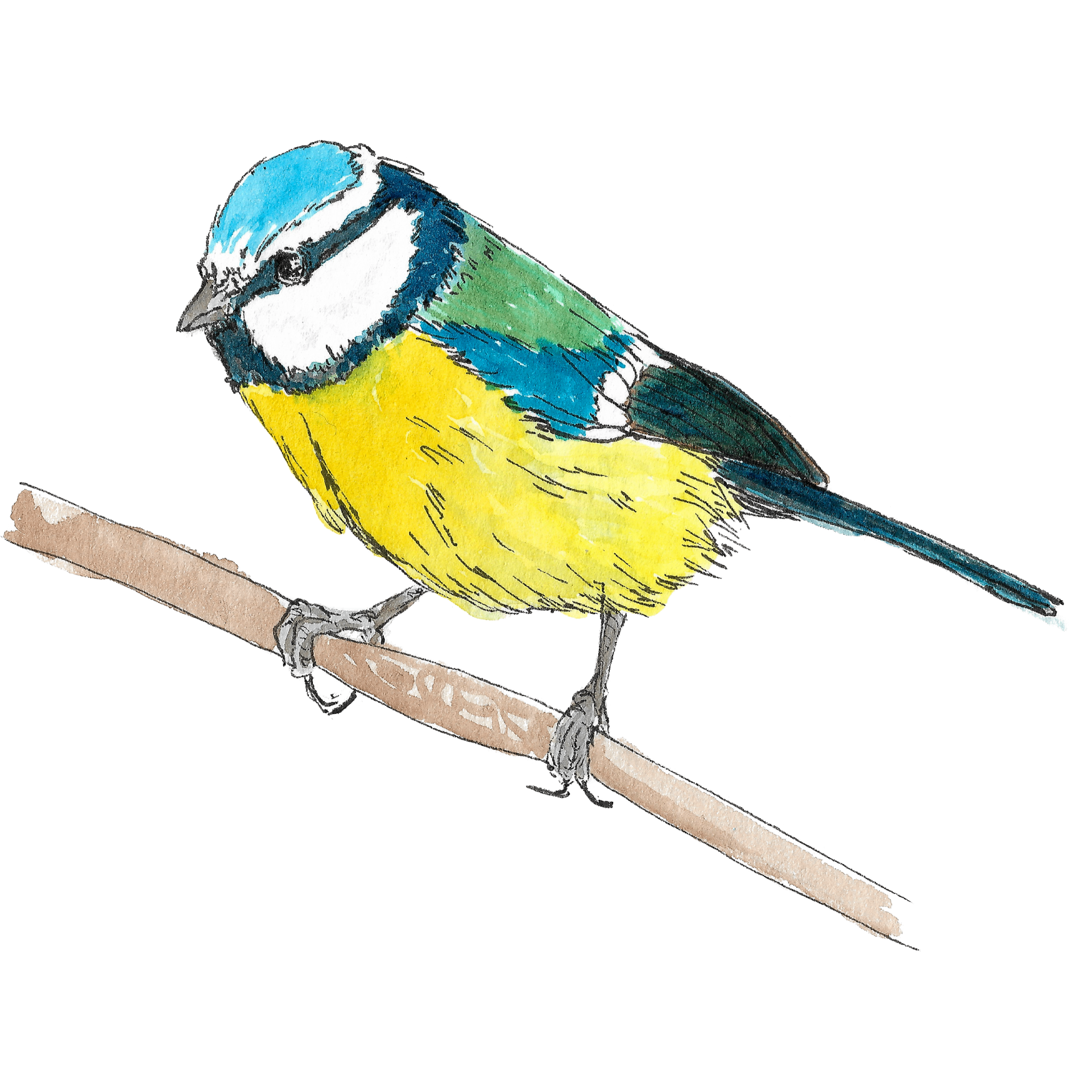
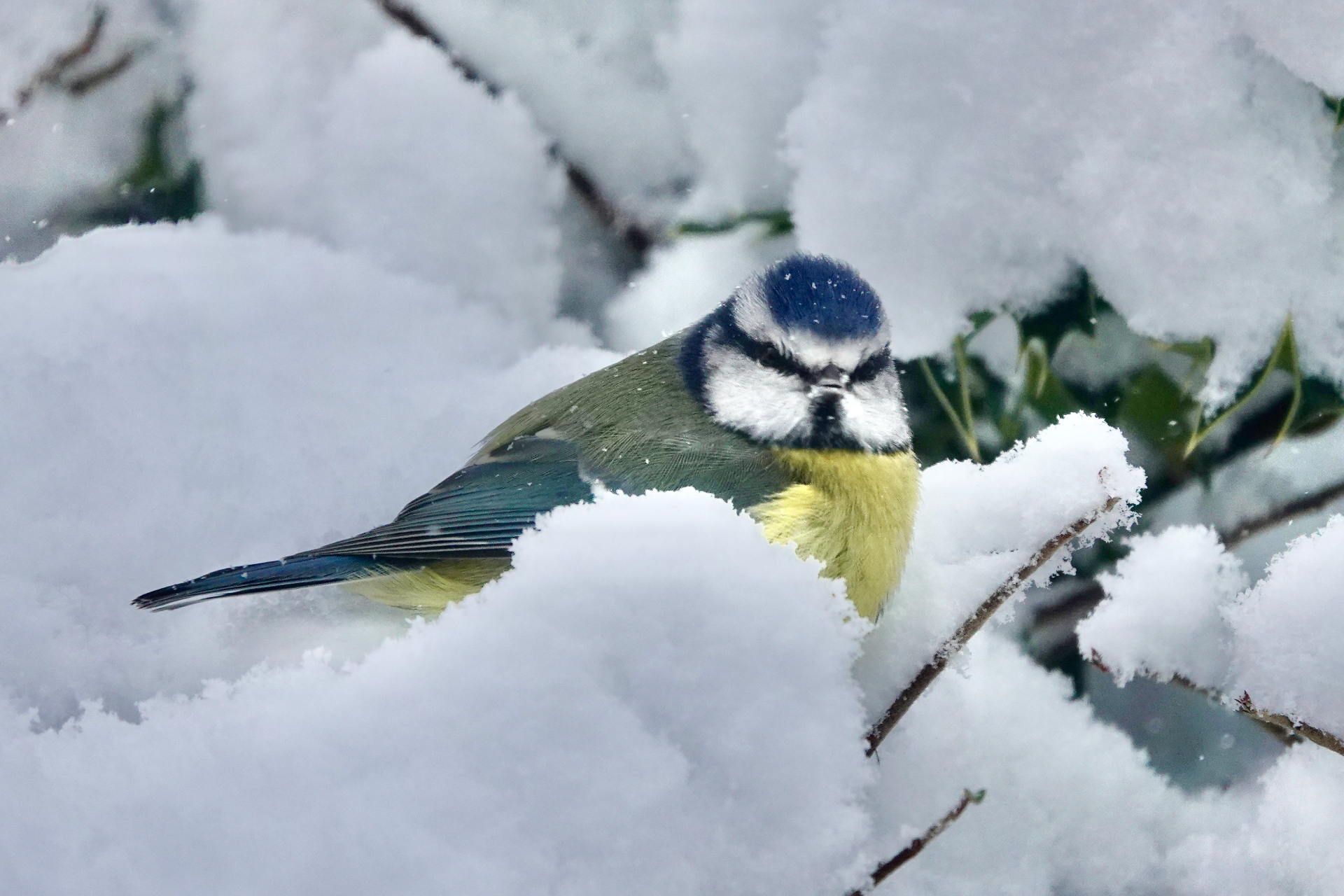
Blue tits are small but hugely important in North Yorkshire woods, parks and gardens. They rely on trees for insects, holes for nesting, and connected habitat so they can move safely between feeding places.
How it interacts with the wider landscape
In spring they help control caterpillar numbers, especially around oak and mixed woodland. That makes them part of the delicate balance between trees, leaf-eating insects and the predators that keep outbreaks in check.
Seasonal rhythm
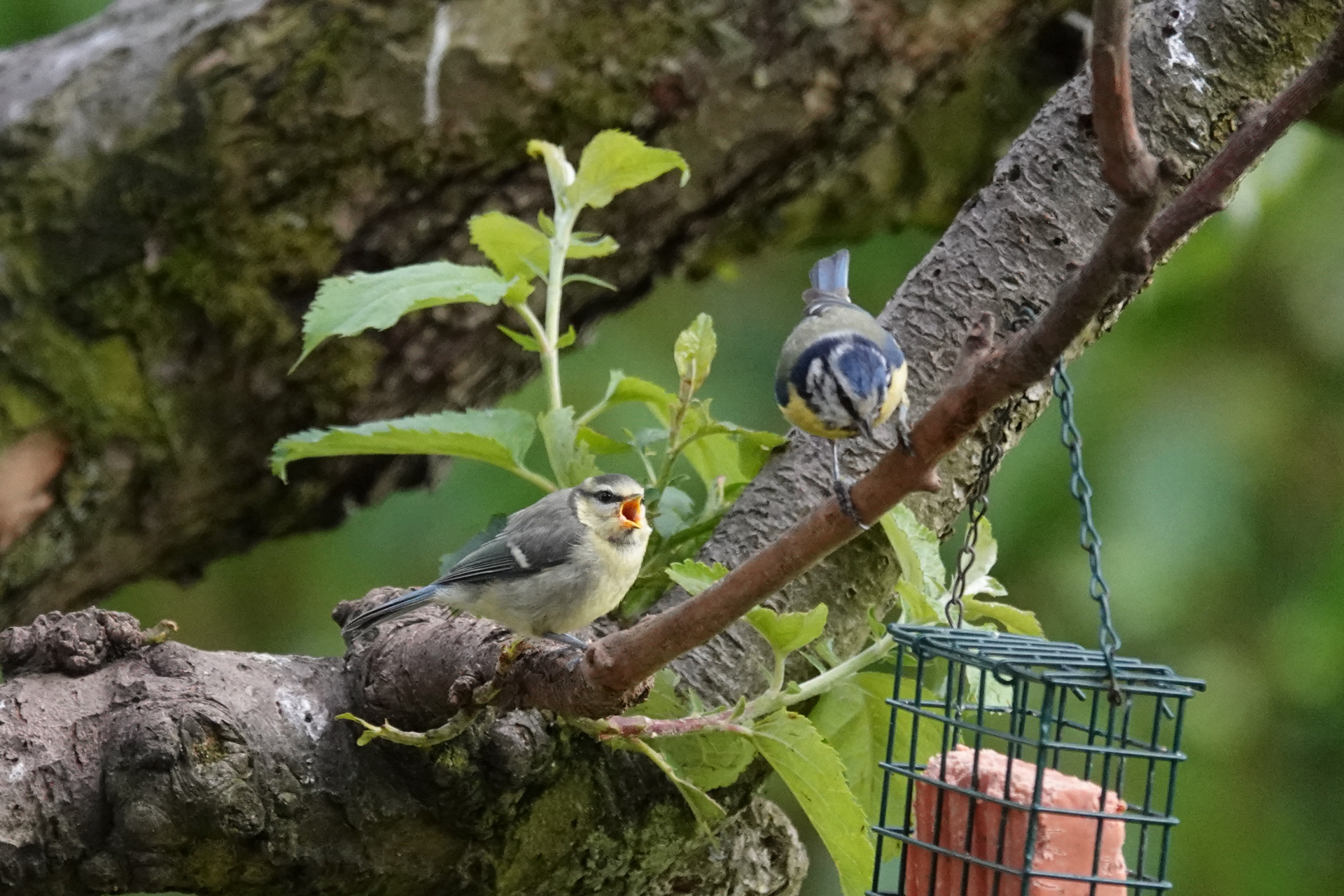
They are visible all year, but spring is the crucial season. Adults must match nestling demand with the brief flush of caterpillars that appears when leaves open.
Where to look and what to notice
Look for quick, acrobatic movement in hedges and garden feeders, or listen for bright, busy calls around nest boxes and orchard trees.