
How it fits into North Yorkshire wildlife
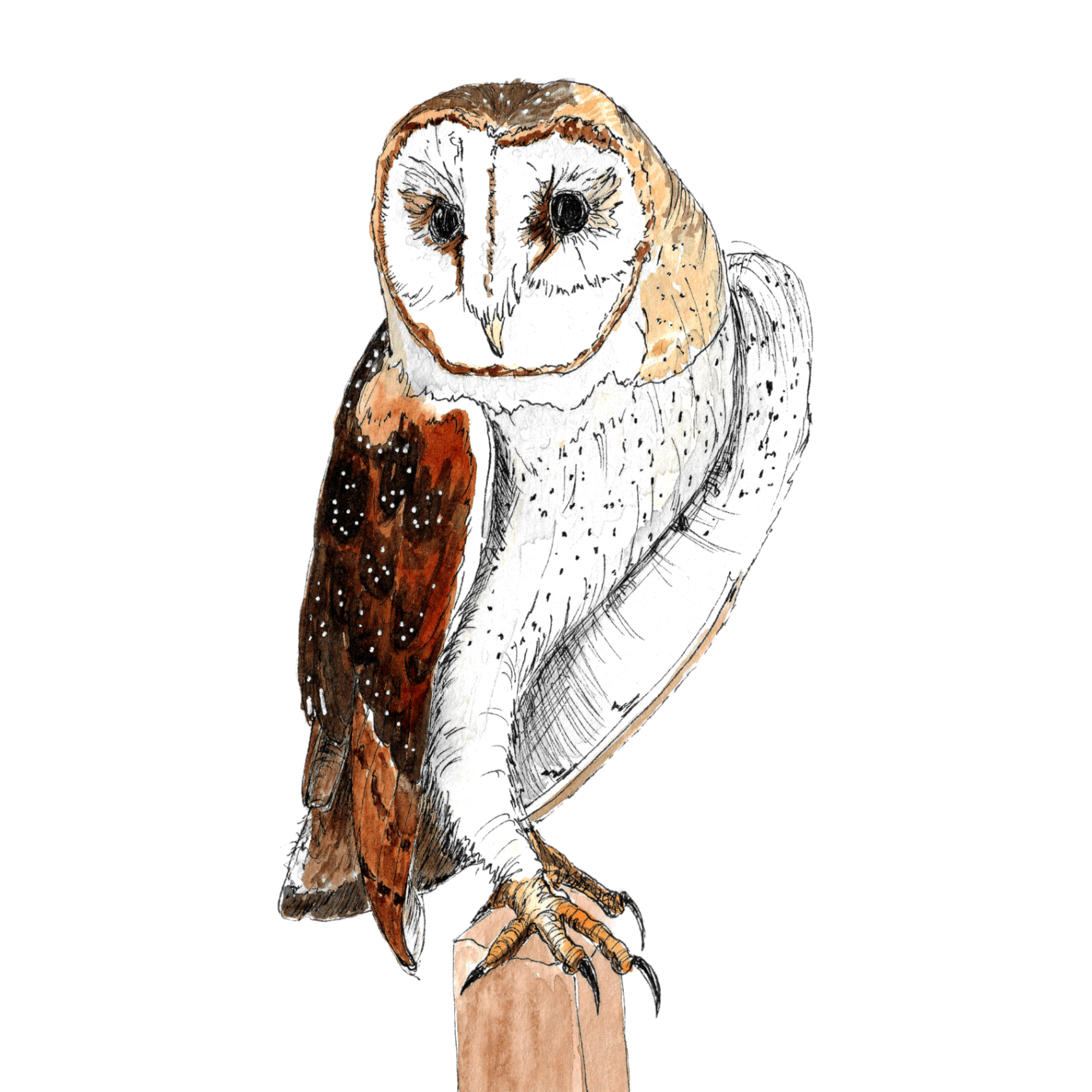
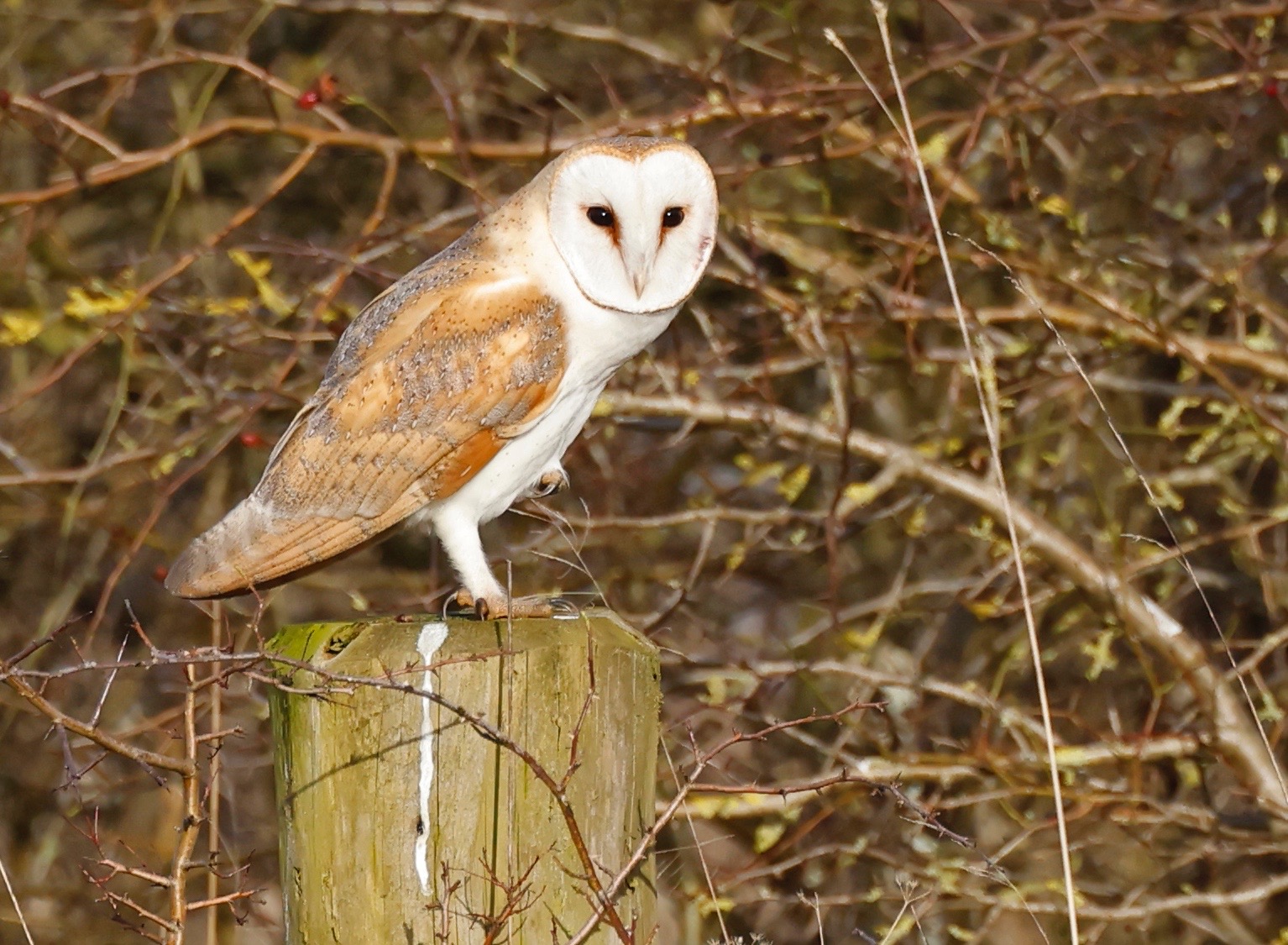
Barn owls belong to the softer edges of the North Yorkshire landscape: rough grass margins, meadow strips, field corners, old farm buildings and quiet valleys. They need open hunting ground close to safe nesting and roosting spaces, so their presence often signals a countryside that still has room for both farming and wildlife.
How it interacts with the wider landscape
Their lives are closely tied to voles, mice and other small mammals. When rough grassland is healthy, prey numbers rise and barn owls can breed successfully. When field margins are lost or weather turns harsh, the whole balance shifts against them.
Seasonal rhythm
Barn owls can be active in every season, but calm evenings in spring and summer are when many people first notice them floating low over fields like pale lanterns.
Where to look and what to notice
Look for a low, buoyant flight over grassland, pellets beneath roosting spots, and quiet farm buildings near meadows and river corridors.