
How it fits into North Yorkshire wildlife
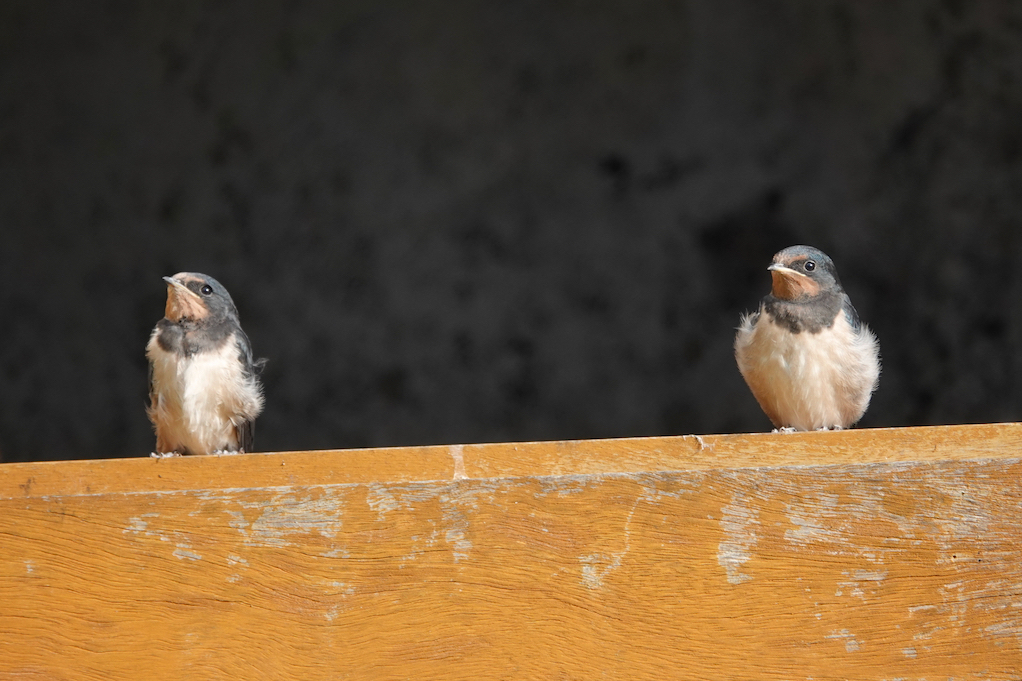
This bird is part of the moving life of North Yorkshire, linking coast, woodland, farmland and gardens. Its success depends on enough food, safe nesting places and seasonal timing that still matches the landscape around it.
How it interacts with the wider landscape
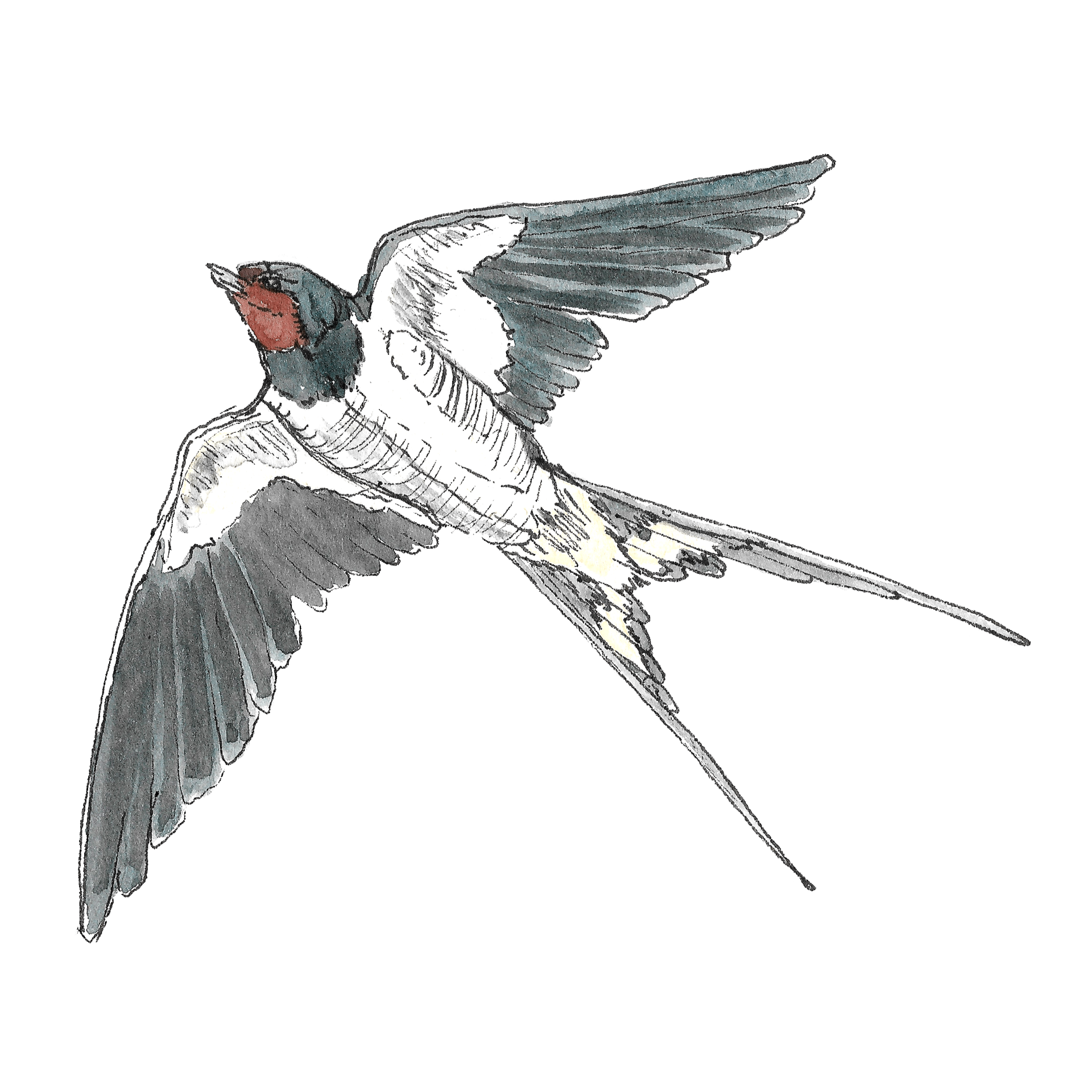
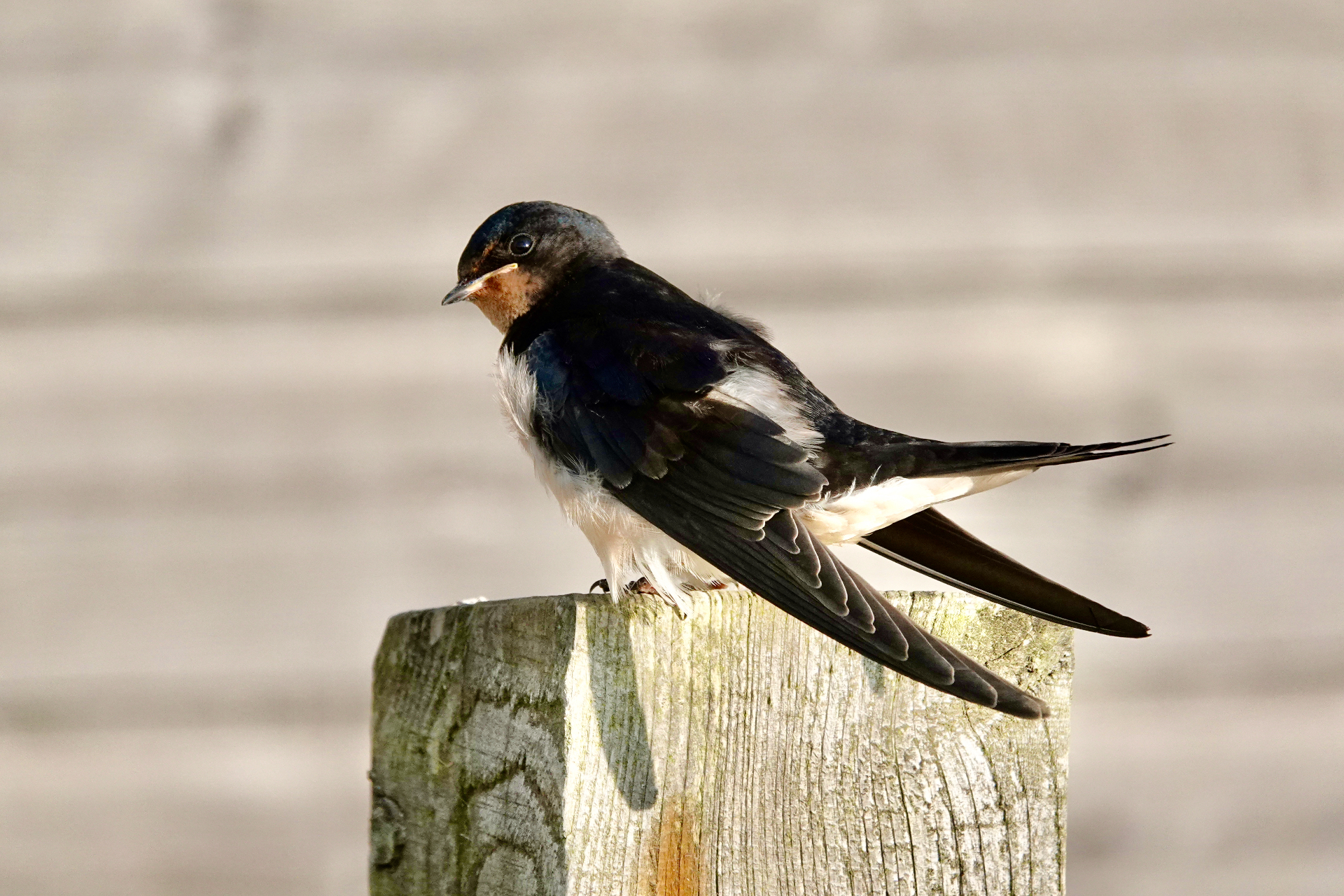
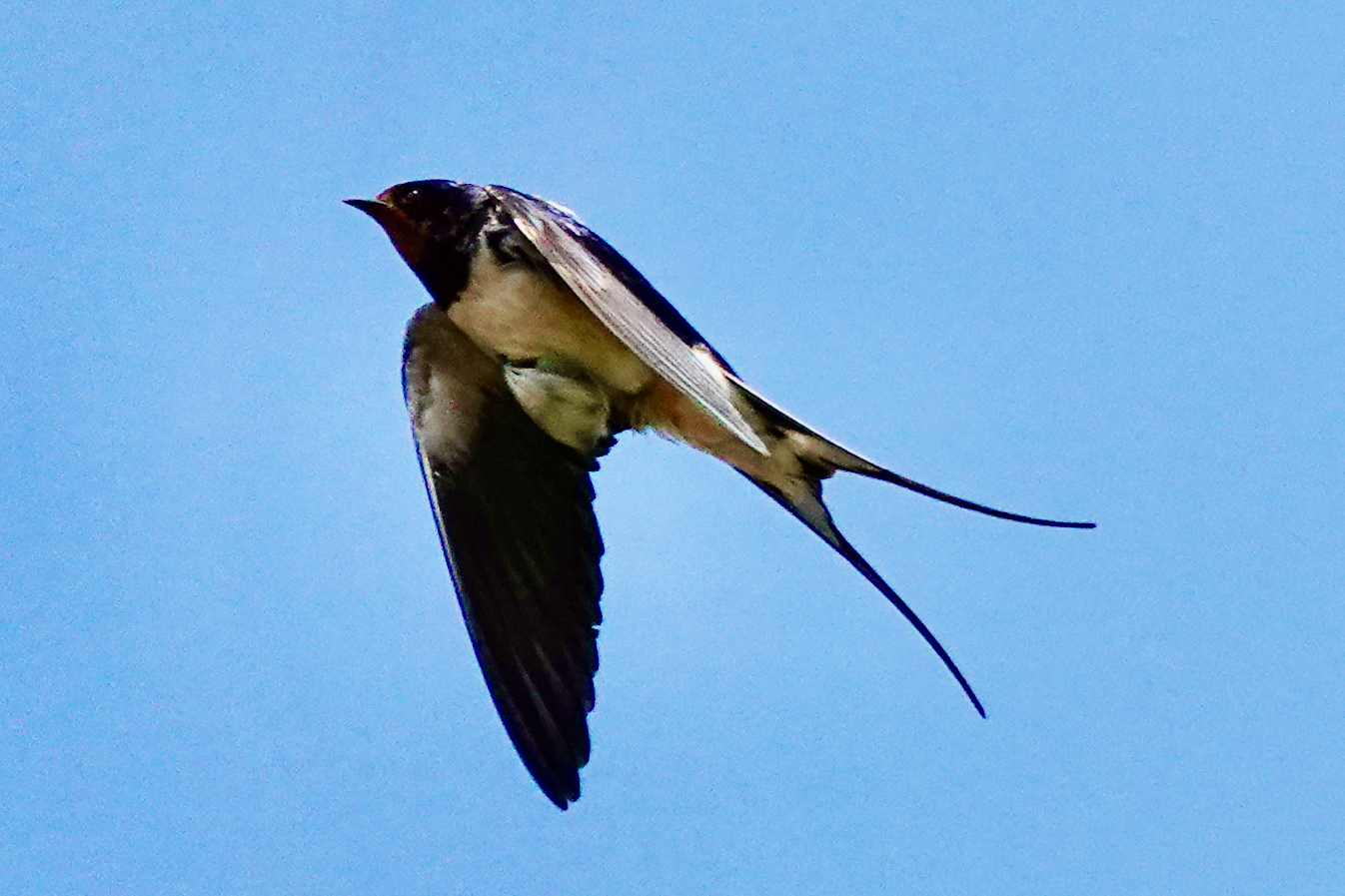
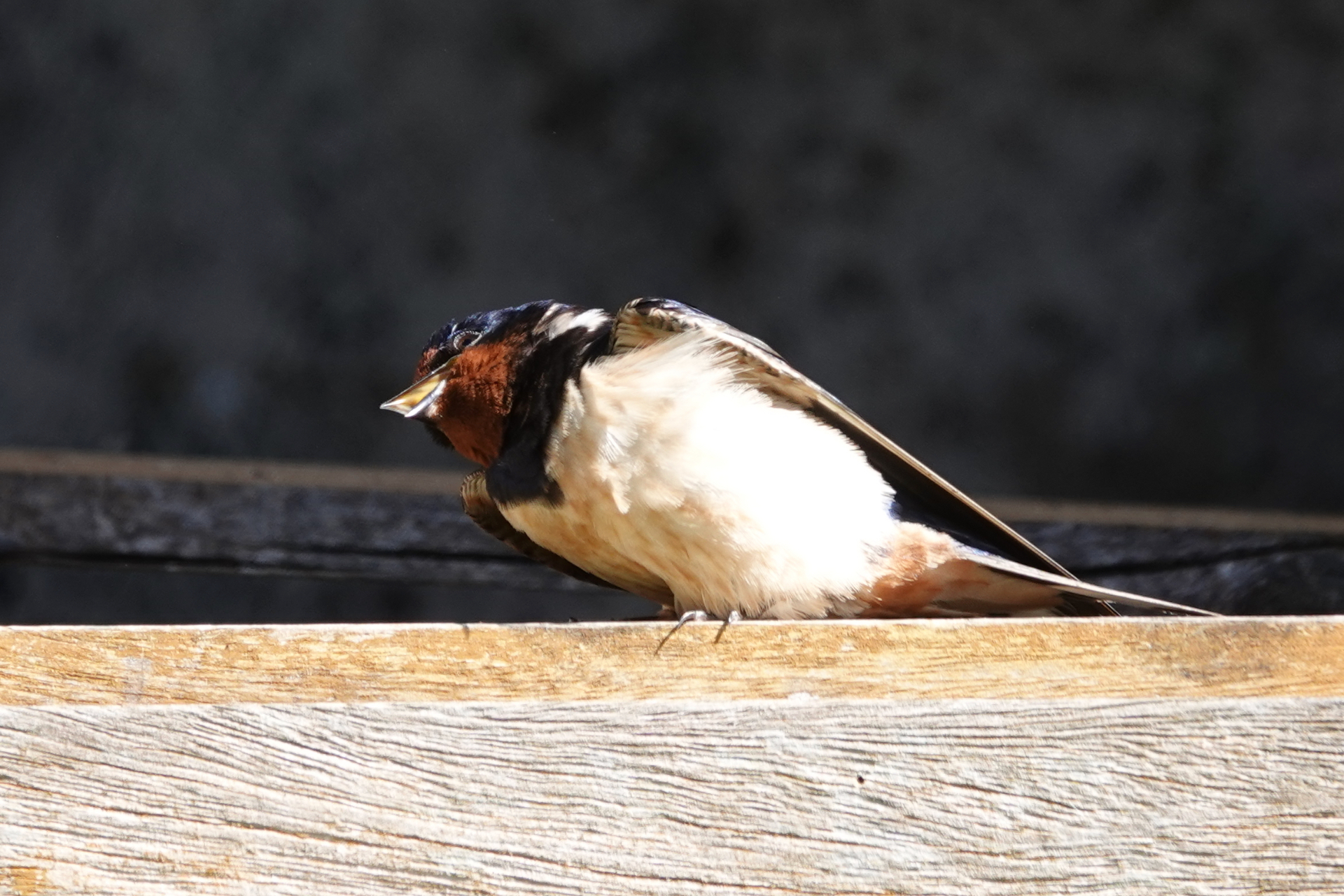
Swallow populations are declining - down 30% since the 1990s - due to loss of nesting sites, reduced insect food sources, and climate-related changes to their migration timing.
Seasonal rhythm
Spring and early summer are often the most important months, when breeding, migration and food availability need to line up.
Where to look and what to notice
Look for movement, calls, feeding behaviour and the kind of habitat this bird depends on, such as hedgerow, garden, moorland edge or sea cliff.